

When it comes to the solar power system, a DC combiner box plays a crucial role. As a DC combiner box supplier, I am often asked about the materials used in making these boxes. In this blog, I will delve into the various materials that go into the construction of a DC combiner box, explaining their functions and importance.
Enclosure Materials
The enclosure of a DC combiner box serves as the first line of defense, protecting the internal components from environmental factors such as dust, moisture, and physical damage. One of the most commonly used materials for enclosures is stainless steel. Stainless steel offers excellent corrosion resistance, making it suitable for both indoor and outdoor applications. It can withstand harsh weather conditions, including extreme temperatures, humidity, and saltwater exposure. This durability ensures a long service life for the combiner box, reducing the need for frequent replacements.
Another popular material for enclosures is aluminum. Aluminum is lightweight yet strong, which makes it easy to install and handle. It also has good thermal conductivity, allowing the box to dissipate heat effectively. This is particularly important as excessive heat can affect the performance and lifespan of the internal components. Additionally, aluminum can be anodized to enhance its corrosion resistance, further protecting the box from the elements.
Plastic is also used in some DC combiner boxes, especially for smaller or less demanding applications. Plastic enclosures are cost - effective and can be easily molded into various shapes. They are also non - conductive, which provides an additional layer of electrical safety. However, plastic may not be as durable as metal enclosures and may be more prone to damage from UV radiation and physical impacts.
Internal Conductive Materials
Inside the DC combiner box, conductive materials are used to carry the electrical current from the solar panels to the inverter. Copper is the most widely used conductive material due to its excellent electrical conductivity. It has low resistance, which means less power is lost as heat during the transmission of electricity. Copper is also highly malleable, making it easy to shape into wires, busbars, and other components.
Aluminum is another conductive material that can be used, although it is less common than copper. Aluminum is lighter and less expensive than copper, but it has a higher resistance. To compensate for this, aluminum conductors need to be larger in cross - sectional area to carry the same amount of current as copper conductors.
Circuit Protection Materials
Circuit protection is a vital aspect of a DC combiner box, and several materials are used to achieve this. Fuses are commonly used to protect the circuits from overcurrent. Fuses are made of a metal wire or strip that melts when the current exceeds a certain value, breaking the circuit and preventing damage to the components. The metal used in fuses is typically a low - melting - point alloy, such as tin or lead - tin alloy.
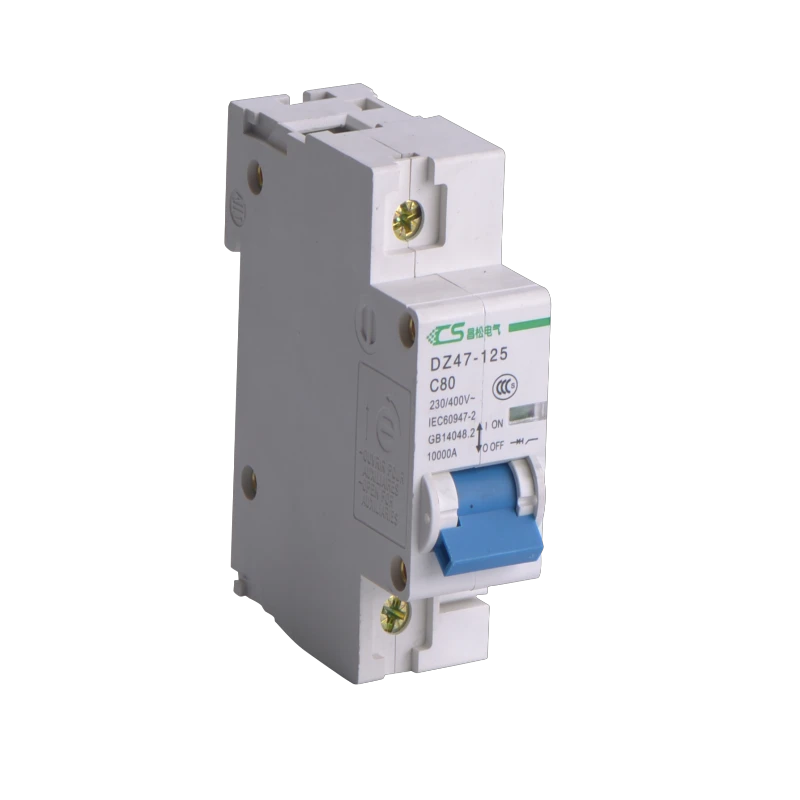
Circuit breakers are another form of circuit protection. They can be manually or automatically reset after tripping. The contacts in circuit breakers are made of materials with good electrical conductivity and high resistance to arcing. Silver - alloy contacts are often used because silver has excellent conductivity and can withstand the high temperatures generated during arcing.
For more advanced circuit protection, Picoampere and Smart Mcb Rcbo are available. These devices use advanced materials and technologies to provide more precise and reliable protection.
Insulating Materials
Insulating materials are used to prevent electrical current from flowing where it is not intended, ensuring the safety and proper functioning of the DC combiner box. One of the most common insulating materials is epoxy resin. Epoxy resin has excellent electrical insulation properties, high mechanical strength, and good chemical resistance. It can be used to encapsulate components, providing a protective barrier against moisture and contaminants.
Silicone rubber is also used as an insulating material. It has good flexibility, which allows it to conform to different shapes and sizes. Silicone rubber is also resistant to high temperatures and UV radiation, making it suitable for outdoor applications.
Monitoring and Control Components
In modern DC combiner boxes, monitoring and control components are becoming increasingly important. These components are used to measure parameters such as current, voltage, and temperature, and to communicate this information to the control system. Printed circuit boards (PCBs) are used to mount these components. PCBs are made of a non - conductive substrate, usually fiberglass - epoxy, with copper traces printed on it to connect the components.
Sensors are used to measure the electrical parameters. For example, current sensors may use Hall - effect sensors, which are made of semiconductor materials. These sensors can accurately measure the current without direct contact with the conductor, providing a safe and reliable way to monitor the electrical system.

Grounding Materials
Grounding is essential for the safety of the DC combiner box and the entire solar power system. Grounding conductors are typically made of copper or aluminum. Copper grounding conductors are preferred due to their low resistance and high corrosion resistance. They are connected to the enclosure and other conductive parts of the box to provide a path for electrical current in case of a fault.
Grounding electrodes are also used to connect the grounding conductors to the earth. These electrodes are usually made of copper - clad steel or solid copper. They are buried in the ground to provide a low - impedance connection to the earth, ensuring that any fault current can be safely dissipated.
The Role of Quality Materials in DC Combiner Boxes
Using high - quality materials in the construction of DC combiner boxes is essential for ensuring the reliability and safety of the solar power system. Inferior materials can lead to premature failure of the box, increased power losses, and potential safety hazards. As a DC combiner box supplier, we understand the importance of using the right materials and strict quality control in the manufacturing process.
Our Dc Combiner Box Pv is designed and manufactured using the best materials available in the market. We source our materials from trusted suppliers and conduct rigorous testing to ensure that they meet the highest standards. This commitment to quality allows us to provide our customers with DC combiner boxes that are durable, efficient, and safe.
Conclusion
In conclusion, a DC combiner box is made up of a variety of materials, each with its own specific function. From the enclosure materials that protect the box from the environment to the conductive materials that carry the electrical current, every component plays a crucial role in the performance and safety of the solar power system.
If you are in the market for a high - quality DC combiner box, we invite you to contact us for a procurement discussion. Our team of experts is ready to assist you in choosing the right DC combiner box for your specific needs. We can provide detailed information about our products, answer your questions, and offer competitive pricing. Don't hesitate to reach out and start the conversation today.
References
- "Solar Photovoltaic Systems Design and Installation Handbook"
- "Electrical Engineering Materials and Their Applications"
- Industry standards and guidelines for DC combiner boxes


