

Hey there! As a circuit breaker supplier, I've been in the thick of the electrical game for quite some time. One question that keeps popping up is, "What are the requirements for a circuit breaker enclosure?" Well, let's dive right in and break it down.
First off, let's talk about protection. A circuit breaker enclosure needs to protect the circuit breaker itself from all sorts of external factors. Think about it – the breaker is a crucial component in an electrical system, and it's got to be shielded from dust, dirt, moisture, and even physical damage. For instance, in industrial settings where there's a lot of machinery churning out dust and debris, the enclosure has to be airtight enough to keep that stuff out. Otherwise, all that gunk could get into the breaker and cause it to malfunction. And when a breaker malfunctions, it can lead to all sorts of problems, from power outages to electrical fires. So, a good enclosure should have a high Ingress Protection (IP) rating. The IP rating system tells you how well an enclosure can keep out solid objects and liquids. For example, an IP65-rated enclosure is pretty solid. The "6" means it's completely dust-tight, and the "5" indicates it can withstand low-pressure water jets from any direction. That's the kind of protection you want for your circuit breaker.
Another important requirement is electrical insulation. The enclosure has to prevent any electrical contact with the outside world. This is not only for the safety of the people working around the breaker but also to prevent short circuits. You don't want any stray electrical currents zapping out and causing chaos. The enclosure should be made of insulating materials like high-quality plastics or fiberglass. These materials have high dielectric strength, which means they can resist the flow of electricity. And if the enclosure is going to be installed in an area where there's a risk of electrical interference, it might even need to have some form of electromagnetic shielding. This can help keep the breaker functioning properly without any unwanted interference from nearby electrical equipment.
Now, let's talk about ventilation. Circuit breakers generate heat when they're in operation. If that heat isn't dissipated properly, it can cause the breaker to overheat, which can lead to reduced performance and even premature failure. So, the enclosure needs to have adequate ventilation. This could be in the form of vents or fans. Vents are a simple and cost-effective way to allow hot air to escape and cool air to enter. But in some cases, especially in high-power applications, fans might be necessary to ensure proper air circulation. The key is to make sure that the ventilation system doesn't compromise the enclosure's protection against dust and moisture. That's why it's important to design the vents or fans in such a way that they still maintain the integrity of the IP rating.
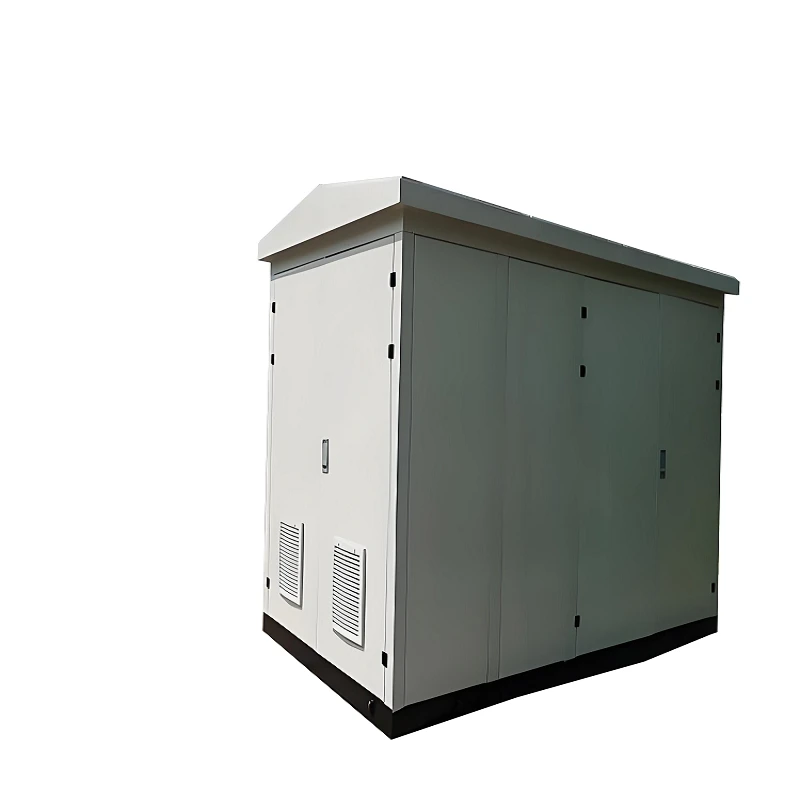

Size and space are also crucial considerations. The enclosure has to be big enough to accommodate the circuit breaker and any associated components, like switches, meters, or control panels. But at the same time, it shouldn't be too big. A large, empty enclosure can be a waste of space and resources. It also makes the installation process more complicated. You want an enclosure that's just the right size, providing enough room for everything to fit comfortably while still being compact and easy to install. And if you're planning to install multiple circuit breakers in the same enclosure, you need to make sure there's enough space between them to prevent overheating and to allow for easy maintenance.
Accessibility is another requirement that can't be overlooked. When it comes time to inspect, repair, or replace the circuit breaker, you need to be able to get to it easily. The enclosure should have doors or panels that can be opened without too much hassle. And there should be enough clearance around the breaker to allow technicians to work safely. Some enclosures even come with removable panels or modular designs, which make it even easier to access the components inside.
Durability is a must. The enclosure is going to be exposed to all sorts of environmental conditions, so it needs to be tough. It should be able to withstand temperature variations, corrosion, and mechanical stress. For outdoor installations, the enclosure has to be able to handle extreme weather conditions, from scorching heat to freezing cold. And in corrosive environments, like chemical plants or coastal areas, the enclosure should be made of materials that are resistant to corrosion, such as stainless steel or coated plastics.
Now, let's touch on some specific types of enclosures and their additional requirements. If you're looking at a Pre-installed Substation, the enclosure needs to be designed to integrate seamlessly with the other components of the substation. It has to be able to handle high-voltage applications and provide a high level of protection. The same goes for a Combiner Box with Lightning Arrest. This type of enclosure needs to be able to protect the circuit breaker from lightning strikes and other electrical surges. And for Substation Power Levelers, the enclosure has to be designed to maintain a stable electrical environment and protect the power leveler from any external interference.
So, there you have it – the main requirements for a circuit breaker enclosure. As a circuit breaker supplier, I know how important it is to get these details right. A well-designed enclosure can make all the difference in the performance and longevity of your circuit breaker. If you're in the market for a circuit breaker or need help choosing the right enclosure for your specific application, don't hesitate to reach out. We're here to help you make the best decision for your electrical system. Whether you're a small business owner looking to upgrade your electrical setup or a large industrial facility in need of a reliable circuit breaker solution, we've got you covered. Let's have a chat and see how we can work together to meet your needs.
References
- Electrical Safety Standards Handbook
- Industrial Electrical Equipment Design Guide


