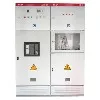
A single-phase Molded Case Circuit Breaker (MCCB) is a crucial component in electrical systems, providing protection against overloads, short circuits, and other electrical faults. In recent years, the demand for remote control functionality in single-phase MCCBs has been on the rise, driven by the need for greater convenience, efficiency, and safety in electrical management. As a single-phase MCCB supplier, I am excited to delve into the details of the remote control function of these essential devices.
Understanding the Basics of Single-Phase MCCBs
Before we explore the remote control function, let's first understand what a single-phase MCCB is. A single-phase MCCB is designed to protect electrical circuits operating on a single-phase power supply. It typically consists of a molded case, which encloses the switching mechanism, trip unit, and other components. The MCCB can be manually operated to open or close the circuit, and it automatically trips when it detects an abnormal electrical condition, such as an overload or short circuit.
The Significance of Remote Control Function
The remote control function of a single-phase MCCB adds a new level of flexibility and convenience to electrical system management. With remote control capabilities, users can operate the MCCB from a distance, eliminating the need for manual intervention at the device location. This is particularly useful in situations where the MCCB is installed in a hard-to-reach or hazardous area.
One of the key advantages of remote control is the ability to monitor and control the MCCB in real-time. Through a remote control system, users can receive alerts and notifications about the status of the MCCB, such as whether it is open or closed, and if any faults have occurred. This allows for quick response to electrical issues, minimizing downtime and reducing the risk of equipment damage.
Another benefit of remote control is the potential for energy savings. By remotely controlling the MCCB, users can turn off non-essential circuits during periods of low demand, reducing energy consumption and costs. Additionally, remote control can be integrated with energy management systems to optimize the use of electrical power.
How Remote Control Works in Single-Phase MCCBs
There are several ways to implement remote control functionality in single-phase MCCBs. One common method is through the use of a communication interface, such as Modbus, Profibus, or Ethernet. These interfaces allow the MCCB to communicate with a remote control device, such as a computer, smartphone, or tablet.
The remote control device sends commands to the MCCB over the communication interface, instructing it to open or close the circuit. The MCCB then responds to these commands and provides feedback on its status. This two-way communication enables real-time monitoring and control of the MCCB.
In addition to communication interfaces, some single-phase MCCBs also support wireless remote control. Wireless technologies, such as Wi-Fi, Bluetooth, or ZigBee, can be used to establish a connection between the MCCB and the remote control device. Wireless remote control offers greater flexibility and mobility, allowing users to control the MCCB from anywhere within the wireless range.
Applications of Remote Control Single-Phase MCCBs
The remote control function of single-phase MCCBs has a wide range of applications in various industries and settings. In industrial applications, remote control MCCBs are used to manage electrical distribution systems in factories, warehouses, and other large facilities. They allow for centralized control and monitoring of multiple MCCBs, improving operational efficiency and reducing maintenance costs.
In commercial buildings, remote control MCCBs are used to control lighting, HVAC systems, and other electrical loads. This enables building managers to optimize energy usage, reduce costs, and enhance the comfort and safety of occupants.
In residential applications, remote control MCCBs can be integrated with home automation systems, allowing homeowners to control their electrical appliances and lighting from their smartphones or tablets. This provides greater convenience and energy savings, as well as enhanced security.
Related Products and Their Compatibility
As a single-phase MCCB supplier, we also offer a range of related products that can be used in conjunction with our remote control MCCBs. For example, our Picoampere DC MCBs are designed for use in low-power DC circuits, providing reliable protection against overcurrents and short circuits. These MCBs can be integrated with our single-phase MCCBs to create a comprehensive electrical protection solution.


Our Solar Surge Protector is another product that can be used in conjunction with our single-phase MCCBs. Solar surge protectors are designed to protect solar power systems from voltage surges caused by lightning strikes or other electrical disturbances. By installing a solar surge protector in combination with a single-phase MCCB, users can ensure the safety and reliability of their solar power systems.
In addition, our Prefabricated Utility Module is a pre-assembled electrical distribution unit that can be customized to meet the specific needs of our customers. The module includes a single-phase MCCB, along with other components such as transformers, switches, and meters. This provides a convenient and cost-effective solution for electrical distribution in various applications.
Contact Us for Procurement and Consultation
If you are interested in learning more about the remote control function of our single-phase MCCBs, or if you have any questions about our products and solutions, please do not hesitate to contact us. Our team of experts is available to provide you with detailed information and guidance on selecting the right MCCB for your application.
We are committed to providing high-quality products and excellent customer service. Whether you are a small business owner, a large industrial company, or a residential customer, we have the expertise and resources to meet your electrical protection needs.
References
- Electrical Engineering Handbook, Third Edition, Richard C. Dorf (Editor)
- Power Systems Analysis and Design, Fourth Edition, J. Duncan Glover, Mulukutla S. Sarma, Thomas J. Overbye
- Handbook of Electric Power Calculations, Fourth Edition, H. Wayne Beaty