

What are the grounding resistance requirements for a combiner box AC?
As a supplier of combiner box AC, I understand the critical role that grounding resistance plays in the safety and performance of these essential components in electrical systems. In this blog, I will delve into the grounding resistance requirements for a combiner box AC, explaining why they are important and how to meet them.
Importance of Grounding in Combiner Box AC
Grounding is a fundamental safety measure in electrical systems, including those involving combiner box AC units. The primary purpose of grounding is to provide a low - resistance path for electrical current to flow into the earth in the event of a fault. This helps to protect personnel from electric shock and equipment from damage.
In a combiner box AC, grounding serves several key functions. Firstly, it helps to stabilize the voltage levels within the system. By providing a reference point for electrical potential, grounding ensures that the voltage across different components remains within safe and acceptable limits. Secondly, grounding protects against lightning strikes. Lightning can induce high - voltage surges in electrical systems, and a proper grounding system can divert this excess energy safely into the ground, preventing damage to the combiner box and other connected equipment.
Grounding Resistance Requirements
The grounding resistance requirements for a combiner box AC are typically specified by national and international electrical codes and standards. These requirements are designed to ensure that the grounding system can effectively carry fault currents to the earth with minimal voltage rise.
In general, the grounding resistance for a combiner box AC should be as low as possible. A commonly accepted value for grounding resistance in many electrical systems is 10 ohms or less. However, in some cases, more stringent requirements may apply. For example, in areas with high soil resistivity or where there is a high risk of lightning strikes, the grounding resistance may need to be 5 ohms or even lower.
The specific grounding resistance requirement for a combiner box AC can also depend on the size and capacity of the system. Larger systems with higher fault currents may require lower grounding resistance values to ensure that the fault current can be safely dissipated.
Factors Affecting Grounding Resistance
Several factors can affect the grounding resistance of a combiner box AC. One of the most significant factors is the soil resistivity. Soil resistivity varies depending on the type of soil, its moisture content, and temperature. For example, sandy soils generally have higher resistivity than clay soils, and dry soil has higher resistivity than wet soil.
The design and installation of the grounding system also play a crucial role. The size and number of grounding electrodes, their depth of installation, and the inter - connection between them can all impact the grounding resistance. A well - designed grounding system with multiple electrodes properly spaced and connected can achieve lower grounding resistance compared to a single - electrode system.
Measuring Grounding Resistance
To ensure that the grounding resistance of a combiner box AC meets the required standards, it is necessary to measure it regularly. There are several methods available for measuring grounding resistance, including the three - point method, the fall - of - potential method, and the clamp - on method.
The three - point method is one of the most accurate methods for measuring grounding resistance. It involves using a test instrument to inject a known current into the grounding electrode and measuring the voltage drop between the electrode and two auxiliary electrodes placed at a specific distance away.
The fall - of - potential method is similar to the three - point method but is more suitable for larger grounding systems. It requires more precise positioning of the auxiliary electrodes to obtain accurate measurements.
The clamp - on method is a non - invasive method that can be used to measure the grounding resistance without disconnecting the grounding system. It works by clamping a sensor around the grounding conductor and measuring the magnetic field generated by the current flowing through it.
Meeting the Grounding Resistance Requirements
If the measured grounding resistance of a combiner box AC does not meet the required standards, several measures can be taken to reduce it. One common approach is to increase the number of grounding electrodes. By adding more electrodes and connecting them in parallel, the overall grounding resistance can be reduced.
Another method is to use grounding enhancement materials. These materials, such as bentonite or conductive concrete, can be placed around the grounding electrodes to improve the electrical contact between the electrode and the soil, thereby reducing the grounding resistance.

Proper maintenance of the grounding system is also essential. Regular inspections should be carried out to check for any signs of damage or corrosion to the grounding electrodes and conductors. Any damaged components should be repaired or replaced promptly to ensure the continued effectiveness of the grounding system.
Related Products and Solutions
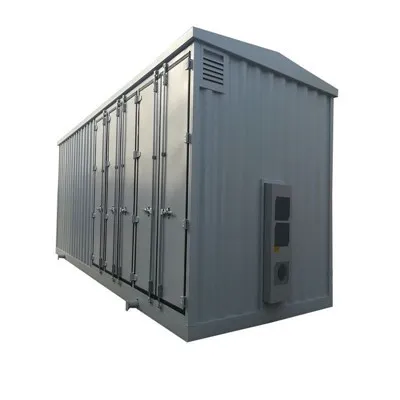
As a combiner box AC supplier, we also offer a range of related products and solutions to help our customers meet the grounding resistance requirements and ensure the safety and performance of their electrical systems. For example, we provide Pre-installed Substation which are designed to integrate various electrical components, including combiner boxes, in a compact and efficient manner. These substations are pre - configured and tested, reducing the installation time and cost.
Our PicoFuse Pivot circuit breakers are another important product in our portfolio. These circuit breakers are designed to protect the electrical system from over - current and short - circuit faults, ensuring the safety of the combiner box and other connected equipment.
In addition, we offer Transformer Station solutions that can be used to step up or step down the voltage in the electrical system. These transformer stations are equipped with high - quality transformers and other components to ensure reliable and efficient power transmission.
Contact for Procurement
If you are interested in our combiner box AC products or need more information about grounding resistance requirements and related solutions, we encourage you to contact us for procurement and further discussions. Our team of experts is ready to assist you in selecting the right products and designing a suitable grounding system for your specific needs.
References
- National Electrical Code (NEC)
- International Electrotechnical Commission (IEC) standards
- IEEE Std 80 - 2013, IEEE Guide for Safety in AC Substation Grounding


