Can an AC MCCB be used in a high - rise building's electrical system?
As an AC MCCB (Molded Case Circuit Breaker) supplier, I often encounter questions from customers regarding the suitability of our products in various electrical systems. One of the most common inquiries is whether an AC MCCB can be used in a high - rise building's electrical system. In this blog, I will delve into this topic in detail, exploring the technical aspects, advantages, and potential challenges of using AC MCCBs in high - rise buildings.
Technical Basics of AC MCCBs
Before discussing their application in high - rise buildings, it is essential to understand what an AC MCCB is. An AC MCCB is a type of electrical protection device designed to protect electrical circuits from overcurrent, short - circuit, and other electrical faults. It consists of a molded case that encloses the electrical contacts, trip unit, and other components. The trip unit is the heart of the MCCB, which can be thermal - magnetic or electronic, and it is responsible for detecting abnormal current conditions and tripping the breaker to interrupt the circuit.
In an AC electrical system, the MCCB operates based on the alternating current characteristics. It can handle a wide range of current ratings, from a few amperes to several thousand amperes, making it suitable for different types of electrical loads. The ability to quickly interrupt the circuit in case of a fault helps prevent damage to electrical equipment, reduces the risk of electrical fires, and ensures the safety of the electrical system.
Suitability for High - Rise Buildings
Electrical Load Management
High - rise buildings have complex electrical systems that serve a variety of functions, including lighting, HVAC (Heating, Ventilation, and Air Conditioning), elevators, and various office and residential appliances. These loads can vary significantly in terms of power consumption and operating characteristics. AC MCCBs can be selected with appropriate current ratings to match the specific loads of different areas in the building. For example, smaller MCCBs can be used for lighting circuits, while larger ones can handle the high - power demands of elevators and HVAC systems.
Moreover, the adjustable trip settings of modern AC MCCBs allow for precise load management. This means that the breaker can be configured to trip at a specific overcurrent level, providing customized protection for different electrical circuits. This flexibility is crucial in high - rise buildings, where the electrical load distribution is often complex and dynamic.
Fault Protection
Faults such as short - circuits and overcurrents are a significant concern in high - rise buildings. A short - circuit can cause a sudden and large increase in current, which can damage electrical equipment and pose a serious safety hazard. AC MCCBs are designed to quickly detect and interrupt these fault currents. Their fast - acting trip mechanisms can isolate the faulty circuit within milliseconds, minimizing the damage and preventing the fault from spreading to other parts of the electrical system.
In addition, the ability of AC MCCBs to withstand high - fault currents is an important factor in high - rise buildings. High - rise electrical systems may experience high - magnitude short - circuit currents due to the large number of electrical loads and the extensive electrical network. AC MCCBs with high short - circuit breaking capacities can safely interrupt these high - fault currents without being damaged themselves.
System Reliability
Reliability is of utmost importance in high - rise buildings. A power outage in a high - rise building can cause significant inconvenience to the occupants, disrupt business operations, and even pose safety risks in some cases, such as in emergency lighting and elevator systems. AC MCCBs are known for their high reliability. They are designed to operate under a wide range of environmental conditions, including temperature, humidity, and vibration. Their robust construction and high - quality components ensure long - term and stable performance, reducing the likelihood of unexpected breaker failures.
Challenges and Considerations
Coordination with Other Protection Devices
In a high - rise building's electrical system, AC MCCBs need to be coordinated with other protection devices, such as fuses and relays. Proper coordination ensures that in the event of a fault, only the closest protection device to the fault will trip, isolating the faulty circuit while keeping the rest of the electrical system operational. Achieving this coordination can be challenging, as it requires careful selection and setting of the protection devices based on the electrical system's characteristics and load requirements.
Voltage Fluctuations
High - rise buildings may experience voltage fluctuations due to various factors, such as the distance from the power source, the operation of large electrical loads, and the electrical grid conditions. These voltage fluctuations can affect the performance of AC MCCBs. For example, overvoltage can cause the breaker to trip prematurely, while undervoltage can prevent the breaker from operating correctly when a fault occurs. Therefore, it is necessary to consider the voltage tolerance of the AC MCCBs and take appropriate measures to stabilize the voltage in the electrical system.

Maintenance and Inspection
Regular maintenance and inspection are essential for the proper functioning of AC MCCBs in high - rise buildings. Over time, the contacts of the MCCB may wear out, the trip unit may require calibration, and the overall performance of the breaker may degrade. High - rise buildings often have a large number of MCCBs, which makes the maintenance and inspection process more challenging. A well - planned maintenance schedule and trained personnel are required to ensure that the AC MCCBs are in good working condition at all times.
Related Products and Their Roles
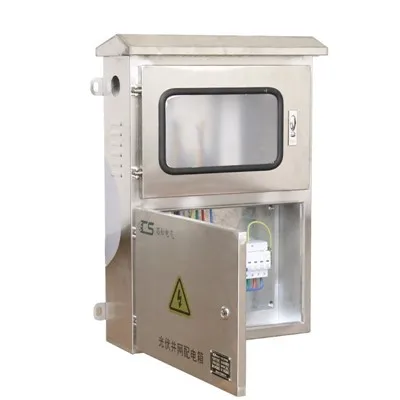
In addition to AC MCCBs, other electrical products also play important roles in a high - rise building's electrical system. For example, the Dc Combiner Box Pv is used in photovoltaic (PV) systems. In some high - rise buildings, PV systems are installed on the rooftops to generate renewable energy. The DC combiner box collects the DC power from multiple PV panels and combines them into a single output, which is then fed into the inverter for conversion to AC power.
The Pv Grid - Connected Cage is another important component in PV systems. It provides a safe and reliable connection between the PV system and the electrical grid. It includes protection devices to ensure that the power injected into the grid meets the grid requirements and to prevent any electrical hazards.
The Solar Surge Protector is used to protect the PV system from lightning surges and other transient overvoltages. Lightning strikes can cause significant damage to the PV panels, inverters, and other electrical components. The solar surge protector diverts the surge energy to the ground, protecting the equipment and ensuring the stable operation of the PV system.
Conclusion
In conclusion, AC MCCBs can be effectively used in a high - rise building's electrical system. Their ability to manage electrical loads, provide fault protection, and ensure system reliability makes them a suitable choice for the complex electrical requirements of high - rise buildings. However, challenges such as coordination with other protection devices, voltage fluctuations, and maintenance need to be carefully addressed.
If you are involved in the design, installation, or operation of a high - rise building's electrical system and are considering using AC MCCBs, I encourage you to contact us for more information. Our team of experts can provide you with detailed technical support, help you select the most appropriate AC MCCBs for your specific needs, and offer guidance on installation, maintenance, and coordination with other protection devices. We are committed to providing high - quality AC MCCBs and comprehensive solutions to meet the challenges of high - rise building electrical systems.
References
- Electrical Installation Handbook, Schneider Electric
- High - Rise Building Electrical Design Guide, International Electrotechnical Commission (IEC)
- Standards for Molded Case Circuit Breakers, American National Standards Institute (ANSI)