Insulation resistance is a crucial parameter when it comes to DC Miniature Circuit Breakers (MCBs) for solar applications. As a supplier of DC MCBs for solar, I've witnessed firsthand the importance of understanding this concept. In this blog post, I'll delve into what insulation resistance is, why it matters in solar DC MCBs, and how it impacts the overall performance of solar power systems.
What is Insulation Resistance?
Insulation resistance is a measure of the electrical resistance between two conductive parts separated by an insulating material. In the context of a DC MCB for solar, it refers to the resistance between the live conductors (such as the positive and negative terminals) and the MCB's enclosure or other non - live parts. This resistance is typically measured in ohms (Ω) and is a key indicator of the quality and integrity of the insulation within the MCB.


The insulation material in a DC MCB is designed to prevent the flow of electric current between the live parts and the external environment. A high insulation resistance value indicates that the insulation is effective at blocking the flow of unwanted current, which is essential for the safe and efficient operation of the MCB.
Why is Insulation Resistance Important in Solar DC MCBs?
Safety
Safety is the primary concern in any electrical system, and solar power systems are no exception. In a solar installation, DC MCBs are used to protect the electrical circuits from overcurrents and short - circuits. A low insulation resistance can lead to leakage currents, which pose a significant safety risk. Leakage currents can cause electric shocks to personnel working on the system and may also lead to fires if they come into contact with flammable materials.
For example, if the insulation resistance of a DC MCB drops due to moisture ingress or physical damage, the leakage current may increase. This can go undetected until it reaches a level where it causes a safety hazard. Therefore, maintaining a high insulation resistance is crucial for preventing such incidents.
System Performance
Insulation resistance also affects the performance of the solar power system. A low insulation resistance can cause power losses in the system. When there is a leakage current, some of the electrical energy generated by the solar panels is wasted as heat in the insulation. This reduces the overall efficiency of the system and can lead to lower power output.
In addition, a low insulation resistance can also affect the accuracy of the MCB's protective functions. If the insulation resistance is not within the specified range, the MCB may malfunction or trip unexpectedly, disrupting the normal operation of the solar power system.
Measuring Insulation Resistance of DC MCBs for Solar
Measuring the insulation resistance of a DC MCB for solar requires specialized equipment, such as an insulation resistance tester. The tester applies a known DC voltage across the insulation and measures the resulting current. Using Ohm's law (R = V/I), the insulation resistance can be calculated.
The measurement should be carried out under specific conditions to ensure accurate results. For example, the MCB should be in a de - energized state, and the temperature and humidity of the environment should be within the specified range. It's also important to follow the manufacturer's instructions when performing the measurement.
Factors Affecting Insulation Resistance
Environmental Conditions
Environmental factors such as temperature, humidity, and dust can have a significant impact on the insulation resistance of a DC MCB. High temperatures can cause the insulation material to degrade over time, reducing its resistance. Similarly, high humidity can introduce moisture into the insulation, which can also lower the resistance. Dust and other contaminants can accumulate on the surface of the insulation, providing a path for leakage currents.
Age and Wear
As a DC MCB ages, the insulation material may deteriorate due to normal wear and tear. This can be caused by factors such as mechanical stress, electrical stress, and thermal cycling. Over time, the insulation resistance may decrease, and the MCB may become less effective at protecting the electrical circuit.
Installation and Maintenance
Proper installation and maintenance are essential for maintaining the insulation resistance of a DC MCB. If the MCB is not installed correctly, for example, if the terminals are not tightened properly or if there are loose connections, it can lead to a decrease in insulation resistance. Regular maintenance, including cleaning and inspection, can help to identify and address any issues before they become serious.
Our DC MCBs for Solar and Insulation Resistance
As a supplier of DC MCBs for solar, we understand the importance of insulation resistance. Our DC MCBs are designed and manufactured to meet the highest standards of quality and safety. We use high - quality insulation materials that are resistant to environmental factors and aging.
Before leaving the factory, each DC MCB undergoes rigorous testing to ensure that its insulation resistance meets the specified requirements. We also provide detailed installation and maintenance instructions to our customers to help them maintain the insulation resistance of the MCBs over their lifespan.
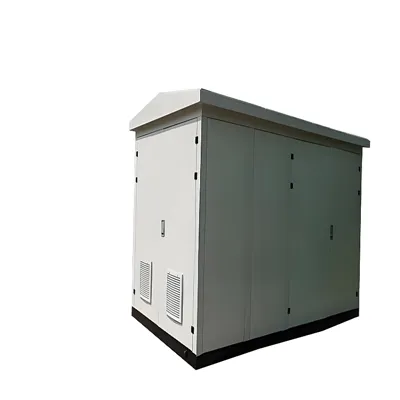
In addition to our DC MCBs, we also offer a range of related products that are essential for solar power systems. For example, we have the Pv Connection Combination Box, which is used to combine the output of multiple solar panels. Our 1000v Dc Fuse provides additional protection for the electrical circuits, and our Low Voltage Preinstalled Substation is designed to distribute the power generated by the solar panels efficiently.
Conclusion
Insulation resistance is a critical parameter for DC MCBs used in solar power systems. It plays a vital role in ensuring the safety and performance of the system. As a supplier, we are committed to providing high - quality DC MCBs with excellent insulation resistance. We also offer a comprehensive range of related products to meet the needs of our customers.
If you are in the market for DC MCBs for solar or any of our other products, we encourage you to contact us for more information. Our team of experts is ready to assist you in selecting the right products for your solar power system and to provide you with professional advice on installation and maintenance. Let's work together to build a more efficient and sustainable solar power future.
References
- Electrical Safety Standards for Solar Power Systems. International Electrotechnical Commission (IEC).
- Handbook of Solar Photovoltaic Systems. Various Authors.