

In the dynamic realm of renewable energy, solar - fuel cell hybrid systems have emerged as a cutting - edge solution to meet the increasing demand for sustainable power. At the heart of these systems lies the DC MCB (Direct Current Miniature Circuit Breaker) for solar, a critical component that ensures the safety and efficiency of the entire setup. As a supplier of DC MCBs for solar, I am excited to delve into how these devices work within a solar - fuel cell hybrid system.
Understanding the Solar - Fuel Cell Hybrid System
A solar - fuel cell hybrid system combines the power - generating capabilities of solar panels and fuel cells. Solar panels convert sunlight into electricity through the photovoltaic effect, while fuel cells generate electricity through an electrochemical reaction, typically using hydrogen and oxygen. This combination offers a more reliable and consistent power supply, as solar power is intermittent and depends on sunlight availability, while fuel cells can operate continuously as long as fuel is supplied.
The system consists of several key components: solar panels, fuel cells, a DC - DC converter, an inverter, and of course, the DC MCBs. The solar panels and fuel cells produce DC power, which is then either stored in batteries or directly used to power electrical loads after being converted to AC power by the inverter.
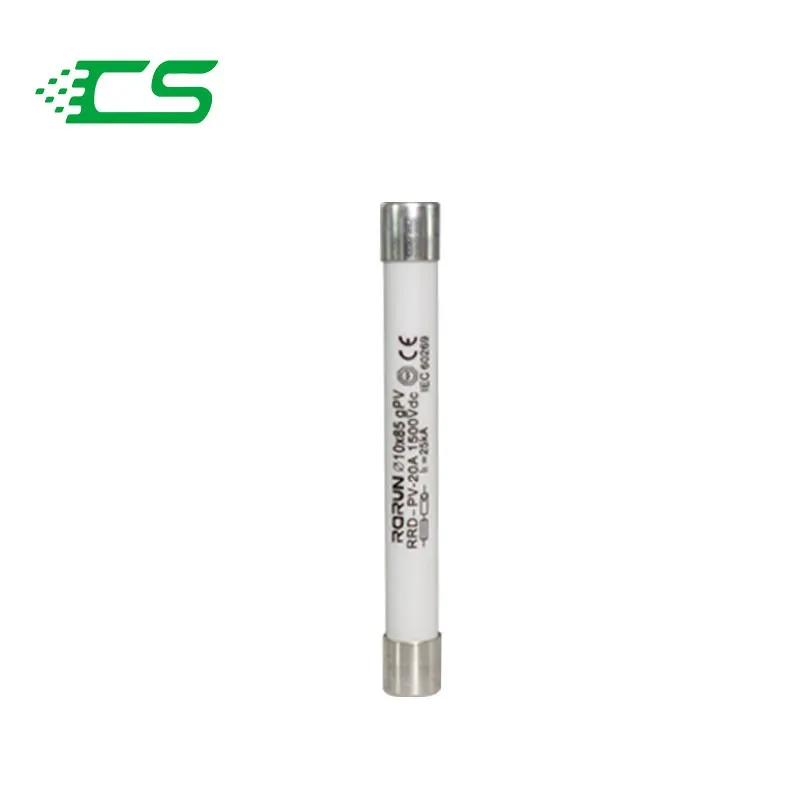
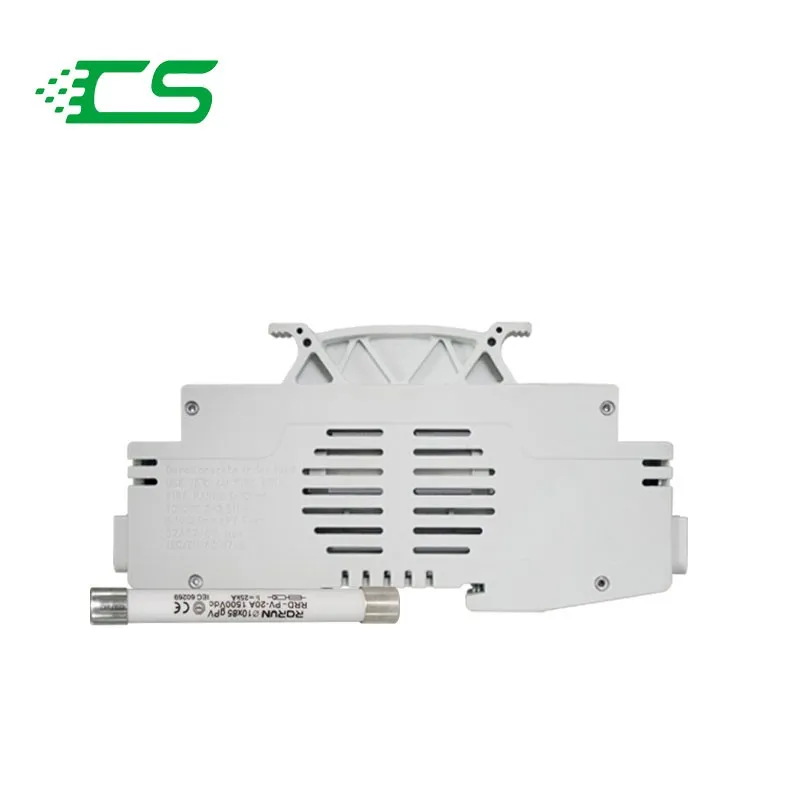
Role of DC MCB in a Solar - Fuel Cell Hybrid System
The DC MCB for solar serves multiple crucial functions within the hybrid system.
Overcurrent Protection
One of the primary functions of a DC MCB is to protect the system from overcurrent conditions. In a solar - fuel cell hybrid system, overcurrent can occur due to various reasons. For example, a short - circuit in the wiring, a malfunction in the solar panels or fuel cells, or an excessive load demand. When an overcurrent situation is detected, the DC MCB trips and interrupts the circuit. This prevents damage to the expensive components such as the solar panels, fuel cells, and inverters, as well as reduces the risk of fire and electrical hazards.
The DC MCB is designed to have a specific current - rating. When the current flowing through the circuit exceeds this rating, the thermal or magnetic trip mechanism within the MCB is activated. The thermal trip mechanism responds to long - term overcurrents, while the magnetic trip mechanism responds to short - term, high - magnitude overcurrents, such as those caused by a short - circuit.
Short - Circuit Protection
Short - circuits are a serious threat to any electrical system, including solar - fuel cell hybrid systems. A short - circuit occurs when there is a low - resistance path between two conductors in the circuit, causing a large amount of current to flow. The DC MCB for solar is designed to quickly detect and interrupt the circuit in case of a short - circuit.
The magnetic trip element in the DC MCB is particularly effective in dealing with short - circuits. When a short - circuit occurs, the sudden increase in current generates a strong magnetic field that activates the magnetic trip mechanism. This mechanism rapidly opens the contacts of the MCB, interrupting the flow of current within milliseconds. This fast response time is crucial in preventing damage to the system components and ensuring the safety of the installation.
Isolation
In addition to overcurrent and short - circuit protection, the DC MCB also provides isolation. During maintenance or in case of an emergency, the DC MCB can be manually opened to isolate the solar panels, fuel cells, or other components from the rest of the system. This allows technicians to work safely on the system without the risk of electric shock.
Working Principle of a DC MCB for Solar
The working principle of a DC MCB for solar is based on two main trip mechanisms: thermal and magnetic.
Thermal Trip Mechanism
The thermal trip mechanism is based on the principle of the bimetallic strip. A bimetallic strip consists of two different metals with different coefficients of thermal expansion bonded together. When an overcurrent flows through the MCB, the bimetallic strip heats up due to the Joule heating effect (the heat generated in a conductor is proportional to the square of the current and the resistance of the conductor).
As the bimetallic strip heats up, it bends due to the different expansion rates of the two metals. When the bending reaches a certain point, it activates a latch mechanism that opens the contacts of the MCB, interrupting the circuit. The thermal trip mechanism is suitable for protecting against long - term overcurrents, as it responds to the average temperature rise caused by the overcurrent.
Magnetic Trip Mechanism
The magnetic trip mechanism uses the magnetic field generated by the current flowing through a coil. When a short - circuit occurs, the large current flowing through the coil creates a strong magnetic field. This magnetic field attracts an armature, which is connected to the latch mechanism of the MCB. When the armature is attracted, it releases the latch, causing the contacts of the MCB to open.
The magnetic trip mechanism is very fast - acting, typically tripping the MCB within a few milliseconds. This is essential for protecting the system from the high - magnitude currents associated with short - circuits.
Interaction with Other Components in the System
The DC MCB for solar interacts closely with other components in the solar - fuel cell hybrid system.
With Solar Panels
The DC MCB is usually installed between the solar panels and the DC - DC converter or the combiner box. It protects the solar panels from overcurrent and short - circuit conditions. If there is a fault in the solar panels or the wiring connecting them, the DC MCB will trip, preventing damage to the panels.
With Fuel Cells
Similar to solar panels, the DC MCB is also installed in the circuit between the fuel cells and the rest of the system. It ensures the safe operation of the fuel cells by protecting them from electrical faults. For example, if there is a malfunction in the fuel cell stack or the associated wiring, the DC MCB will interrupt the circuit to prevent further damage.
With Inverters
The DC MCB also plays a role in protecting the inverter. The inverter is a critical component that converts DC power to AC power. If an overcurrent or short - circuit occurs on the DC side of the inverter, the DC MCB will trip, protecting the inverter from damage.
Additional Features and Considerations
In a solar - fuel cell hybrid system, there are some additional features and considerations related to the DC MCB.
Voltage Spike Suppression
Voltage spikes can occur in the system due to various reasons, such as lightning strikes or sudden changes in the load. These voltage spikes can damage the sensitive components in the system. Some DC MCBs for solar come with built - in Voltage Spike Suppressor to protect the system from these voltage spikes.
DC Disconnect Combiner Box
The Dc Disconnect Combiner Box is another important component in the system. It combines the DC power from multiple solar panels or fuel cells and provides a single point of disconnection for maintenance or emergency purposes. The DC MCB is often integrated into the DC disconnect combiner box to provide overcurrent and short - circuit protection.
Solar DC Circuit Protectors
Solar DC Circuit Protectors are also used in conjunction with DC MCBs in solar - fuel cell hybrid systems. These protectors can provide additional protection against overcurrent and short - circuit conditions, especially in high - power applications.
Importance of Quality DC MCBs for Solar
Using high - quality DC MCBs for solar is essential for the reliable and safe operation of the solar - fuel cell hybrid system. A low - quality MCB may not trip accurately in case of an overcurrent or short - circuit, leading to damage to the system components and potential safety hazards.
High - quality DC MCBs are designed to meet strict industry standards and are tested thoroughly for performance and reliability. They are also more durable and have a longer service life, reducing the need for frequent replacements.
Conclusion
In conclusion, the DC MCB for solar is a vital component in a solar - fuel cell hybrid system. It provides overcurrent and short - circuit protection, isolation, and interacts closely with other components in the system. With additional features such as voltage spike suppression and integration with DC disconnect combiner boxes and solar DC circuit protectors, it ensures the safe and efficient operation of the entire system.
As a supplier of DC MCBs for solar, I understand the importance of providing high - quality products that meet the specific requirements of solar - fuel cell hybrid systems. If you are involved in the design, installation, or operation of such systems and are looking for reliable DC MCBs, I encourage you to reach out for a detailed discussion about your needs and how our products can fit into your setup. We are committed to providing the best solutions for your renewable energy projects.
References
- IEEE Standards for DC Circuit Breakers in Renewable Energy Systems.
- International Electrotechnical Commission (IEC) Standards for Solar Power Systems.
- Technical manuals from leading manufacturers of DC MCBs for solar.


