

What is the arc - quenching mechanism in a 63A AC circuit breaker?
As a supplier of 63A AC circuit breakers, I am often asked about the arc - quenching mechanism in these essential electrical devices. Understanding this mechanism is crucial for ensuring the safety and reliability of electrical systems. In this blog, I will delve into the details of the arc - quenching process in 63A AC circuit breakers.
The Basics of Arcing in a Circuit Breaker
When a circuit breaker interrupts an electrical circuit, an arc is formed between the separating contacts. This arc is a high - temperature, conductive plasma that allows current to continue flowing even after the contacts have physically separated. Arcing can cause significant damage to the circuit breaker contacts, generate excessive heat, and pose a safety hazard. Therefore, it is essential to extinguish the arc as quickly as possible.
In a 63A AC circuit breaker, arcing occurs due to the high - energy electrical current trying to maintain its flow path. The arc is sustained by the ionization of the surrounding air and the presence of free electrons. The longer the arc persists, the more damage it can cause to the circuit breaker and the connected electrical equipment.
Arc - Quenching Principles
There are several principles used in arc - quenching mechanisms in 63A AC circuit breakers. One of the most common principles is the use of magnetic and thermal forces to control the arc.
Magnetic Force
Magnetic forces play a vital role in arc - quenching. When current flows through the circuit breaker contacts, a magnetic field is generated around the conductors. As the contacts separate, the magnetic field exerts a force on the arc, pushing it into a specially designed arc - chute. The arc - chute is a series of metal plates or grids that divide the arc into smaller arcs. This division increases the arc voltage and reduces the arc current, making it easier to extinguish.
The magnetic field can be enhanced by using permanent magnets or electromagnets. In some 63A AC circuit breakers, the magnetic field is designed to be self - generated by the current flowing through the circuit. As the current increases, the magnetic force also increases, helping to quickly move the arc into the arc - chute.
Thermal Force
Thermal forces are also used to quench the arc. The high temperature of the arc causes the surrounding air to expand rapidly. This expansion creates a pressure wave that can help to blow the arc out of the contact area. Additionally, the heat from the arc can be dissipated through the arc - chute plates, reducing the temperature of the arc and making it more difficult to sustain.
In some circuit breakers, a thermal - magnetic trip unit is used. The thermal part of the trip unit responds to long - term overcurrents, while the magnetic part responds to short - term high - current surges. When an overcurrent occurs, the thermal element heats up, causing a bimetallic strip to bend. This bending can trigger the circuit breaker to trip, separating the contacts and initiating the arc - quenching process.
Types of Arc - Quenching Media
63A AC circuit breakers can use different types of arc - quenching media, each with its own advantages and disadvantages.
Air
Air is the most common arc - quenching media in low - voltage circuit breakers, including 63A AC circuit breakers. Air - blast circuit breakers use a high - velocity stream of air to blow the arc out of the contact area. The air cools the arc and reduces its conductivity, making it easier to extinguish. Air - insulated circuit breakers rely on the natural properties of air to quench the arc. The arc - chute design in these breakers is optimized to use the air's insulating and cooling properties.
Oil
Oil - filled circuit breakers were once widely used for arc - quenching. The oil provides excellent insulation and cooling properties. When an arc is formed in an oil - filled circuit breaker, the oil decomposes into gases, which help to extinguish the arc. However, oil - filled circuit breakers have some drawbacks, such as the risk of oil leakage and the need for regular maintenance. As a result, they are less commonly used in modern 63A AC circuit breaker applications.
Vacuum
Vacuum circuit breakers use a vacuum as the arc - quenching media. In a vacuum, there are very few gas molecules, which makes it difficult for an arc to form and sustain. When the contacts in a vacuum circuit breaker separate, the arc is quickly extinguished due to the lack of ionizable gas. Vacuum circuit breakers are known for their high reliability, long service life, and low maintenance requirements. However, they are generally more expensive than air - insulated circuit breakers.
Arc - Quenching in 63A AC Circuit Breakers: A Practical Example
Let's consider a typical 63A AC circuit breaker used in a residential or small - commercial electrical system. When an overcurrent or short - circuit occurs, the magnetic part of the trip unit responds first. The high - current surge generates a strong magnetic field that quickly moves the arc into the arc - chute.
The arc - chute in this circuit breaker is designed with multiple metal plates that divide the arc into smaller arcs. As the arcs are divided, the arc voltage increases, and the arc current decreases. The air around the arc is heated and expands, creating a pressure wave that helps to blow the arc out of the contact area.
At the same time, the thermal part of the trip unit may also be activated if the overcurrent is sustained. The bimetallic strip in the thermal element heats up and bends, triggering the circuit breaker to trip. Once the contacts are fully separated, the arc is extinguished, and the circuit is interrupted.
Importance of Arc - Quenching in Electrical Safety
The proper functioning of the arc - quenching mechanism in a 63A AC circuit breaker is crucial for electrical safety. A malfunctioning arc - quenching system can lead to prolonged arcing, which can cause overheating, fire, and damage to electrical equipment.
In addition to protecting the circuit breaker itself, effective arc - quenching also helps to protect the entire electrical system. By quickly interrupting the circuit during an overcurrent or short - circuit event, the circuit breaker prevents damage to other components in the system, such as wires, switches, and electrical appliances.
Related Products and Their Applications
As a supplier of 63A AC circuit breakers, we also offer a range of related products that are essential for electrical systems. For example, our Photovoltaic DC Collector Box is designed to collect and distribute DC power from solar panels in a photovoltaic system. It is equipped with high - quality circuit breakers to ensure the safety and reliability of the system.
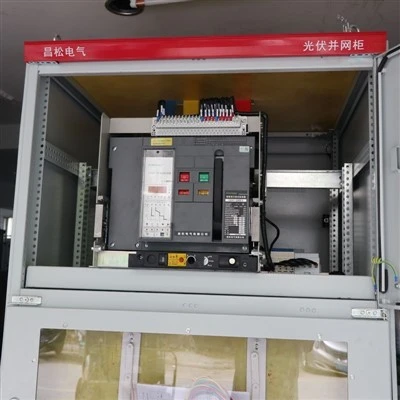
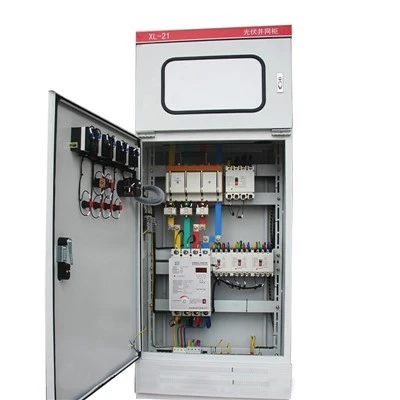
Our Grid Connected Solar Cabinet is another important product. It is used to connect solar power systems to the grid, and it includes circuit breakers to protect the system from overcurrents and short - circuits.
The Dual Power Conversion Switch is also a key product in our portfolio. It allows for seamless switching between two power sources, such as a main power supply and a backup generator. Circuit breakers in the dual - power conversion switch ensure that the system is protected during the switching process.
Contact for Procurement and Discussion
If you are interested in our 63A AC circuit breakers or any of our related products, we invite you to contact us for procurement and further discussion. Our team of experts is ready to provide you with detailed information, technical support, and customized solutions to meet your specific electrical needs. Whether you are a contractor, an electrical engineer, or a facility manager, we can offer you the best products and services in the industry.
References
- Blackburn, J. L. (2013). Protective Relaying: Principles and Applications. CRC Press.
- Gross, C. A. (2007). Electric Power Generation, Transmission, and Distribution. Wiley - IEEE Press.
- Stevenson, W. D. (1982). Elements of Power System Analysis. McGraw - Hill.


