

Hey there! As a supplier of DC MCBs (Direct Current Miniature Circuit Breakers), I've seen firsthand how crucial electromagnetic compatibility (EMC) is in these devices. In this blog, I'm gonna break down the EMC considerations for DC MCBs and why they matter for your electrical systems.
What is Electromagnetic Compatibility?
Let's start with the basics. EMC is all about how well electrical and electronic equipment can operate in an electromagnetic environment without causing or suffering from interference. In simple terms, it's like making sure all the gadgets in your house can play nice with each other without causing any static or disruptions.
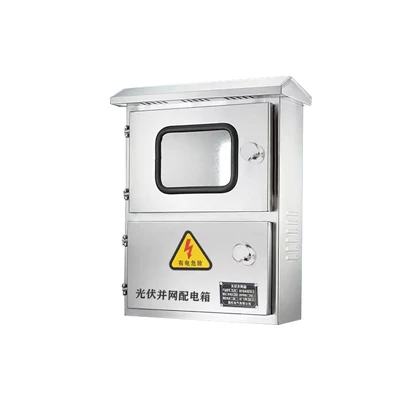
For DC MCBs, EMC is super important because they're often used in sensitive electrical systems where even a small bit of interference can cause big problems. Whether it's in IP65 Distribution Cabinet that need to protect against dust and water while maintaining stable electrical connections or in Grid Connected Solar Box where they help manage the flow of solar - generated DC power, EMC ensures reliable performance.
EMC Considerations for DC MCBs
1. Conducted Emissions
Conducted emissions are the unwanted electrical signals that travel along power and signal lines. In DC MCBs, these emissions can be caused by the switching action of the breaker. When the MCB trips or closes, there can be sudden changes in current and voltage, which generate high - frequency electrical noise.
This noise can travel through the power lines and affect other devices connected to the same electrical network. To reduce conducted emissions, we use special filtering techniques in our DC MCBs. For example, we add capacitors and inductors to the circuit to smooth out the electrical signals and prevent the high - frequency noise from spreading.

2. Radiated Emissions
Radiated emissions are electromagnetic waves that are radiated into the surrounding environment. Similar to conducted emissions, the switching action of the DC MCB can also cause radiated emissions. These emissions can interfere with nearby electronic devices, such as wireless communication systems or sensitive sensors.
To minimize radiated emissions, we pay close attention to the physical design of our DC MCBs. We use shielding materials to enclose the internal components, which helps to contain the electromagnetic fields and prevent them from escaping into the environment. The shape and layout of the internal circuit boards are also carefully designed to reduce the generation of radiated emissions.
3. Immunity to External Interference
DC MCBs also need to be immune to external electromagnetic interference. They can be exposed to various sources of interference in real - world applications, such as radio frequency interference (RFI) from nearby transmitters or electromagnetic pulses (EMPs) from lightning strikes.
To ensure immunity, we test our DC MCBs under different electromagnetic conditions. We expose them to high - intensity electromagnetic fields and check if they can still operate correctly. We also use advanced insulation materials and grounding techniques to protect the internal components from external interference.
Importance of EMC in Different Applications
Solar Power Systems
In solar power systems, DC MCBs are used to protect the DC circuits from overcurrent and short - circuit conditions. These systems are often located outdoors, where they can be exposed to a lot of electromagnetic interference. For example, the inverters in solar power systems can generate high - frequency noise, which can affect the performance of the DC MCBs.
By ensuring good EMC performance, our DC MCBs can operate reliably in solar power systems. They can accurately detect overcurrent conditions and trip when necessary, even in the presence of electromagnetic interference. This helps to protect the solar panels, inverters, and other components in the system, ensuring the long - term stability of the power generation.
Industrial Automation
In industrial automation, DC MCBs are used in a wide range of applications, from controlling motors to powering sensors and actuators. Industrial environments are full of electromagnetic interference sources, such as large motors, welding equipment, and radio transmitters.
Our DC MCBs with excellent EMC performance can withstand these harsh electromagnetic environments. They can prevent false tripping caused by external interference, ensuring the continuous operation of industrial equipment. This is crucial for maintaining high productivity and reducing downtime in industrial plants.
Electric Vehicles
In electric vehicles, DC MCBs are used to protect the high - voltage DC circuits. The electrical systems in electric vehicles are complex and sensitive, and they are also exposed to electromagnetic interference from various sources, such as the vehicle's motor controller and charging system.
Good EMC performance of DC MCBs in electric vehicles is essential for the safety and reliability of the vehicle. They can ensure that the electrical circuits are protected from overcurrent and short - circuit conditions, even in the presence of strong electromagnetic fields.
How We Ensure EMC in Our DC MCBs
As a DC MCB supplier, we follow strict EMC standards and testing procedures. We design our products based on international EMC standards, such as CISPR (International Special Committee on Radio Interference) and IEC (International Electrotechnical Commission) standards.
Before our DC MCBs are released to the market, they go through a series of EMC tests. These tests include conducted emissions tests, radiated emissions tests, and immunity tests. We use state - of - the - art testing equipment to simulate different electromagnetic environments and ensure that our products meet the required EMC performance levels.
We also continuously invest in research and development to improve the EMC performance of our DC MCBs. We work with leading electromagnetic experts to explore new materials and design techniques that can further reduce emissions and enhance immunity.
Conclusion
In conclusion, electromagnetic compatibility is a critical factor for DC MCBs. It ensures the reliable operation of DC MCBs in various applications, from solar power systems to industrial automation and electric vehicles. As a DC MCB supplier, we are committed to providing high - quality products with excellent EMC performance.
If you're in the market for DC MCBs and want to ensure that your electrical systems are protected from electromagnetic interference, don't hesitate to contact us. We can provide you with detailed information about our products and help you choose the right DC MCBs for your specific needs. Let's work together to build a more reliable and efficient electrical future!
References
- CISPR 11: Industrial, scientific and medical (ISM) radio - frequency equipment - Radio disturbance characteristics - Limits and methods of measurement.
- IEC 61000 series: Electromagnetic compatibility (EMC) standards related to general requirements, immunity requirements, and emission requirements for electrical and electronic equipment.


