

When it comes to solar power systems, a combiner box plays a crucial role in safely and efficiently managing the electrical output from multiple solar panels. One of the most important components within a combiner box is the circuit breaker. Selecting the right circuit breaker for your combiner box is not a decision to be taken lightly, as it can significantly impact the performance, safety, and longevity of your solar installation. As a combiner box supplier, I understand the intricacies involved in this selection process, and I'm here to guide you through the key factors to consider.
Understanding the Basics of Circuit Breakers in Combiner Boxes
Before delving into the selection process, it's essential to understand what a circuit breaker does in a combiner box. A circuit breaker is a safety device designed to protect electrical circuits from damage caused by overcurrent, short circuits, or overloads. In a solar combiner box, the circuit breaker interrupts the flow of electricity when it detects abnormal current levels, preventing potential fire hazards and equipment damage.
There are two main types of circuit breakers commonly used in combiner boxes: DC (direct current) circuit breakers and AC (alternating current) circuit breakers. DC circuit breakers are used to protect the direct current output from the solar panels, while AC circuit breakers are used after the inverter to protect the alternating current output. For the purpose of this blog, we'll focus primarily on DC circuit breakers.
Key Factors to Consider When Choosing a Circuit Breaker
1. Rated Current
The rated current of a circuit breaker is the maximum current it can carry continuously without tripping. It's crucial to select a circuit breaker with a rated current that matches or slightly exceeds the expected maximum current from the solar panels connected to the combiner box. To determine the expected maximum current, you need to consider the short-circuit current (Isc) of the solar panels and the number of panels connected in parallel.
For example, if you have solar panels with an Isc of 10 amps each and you're connecting 5 panels in parallel, the total expected maximum current would be 50 amps. In this case, you would need to select a circuit breaker with a rated current of at least 50 amps or slightly higher to account for any potential current spikes.
2. Voltage Rating
The voltage rating of a circuit breaker indicates the maximum voltage it can safely handle. In a solar combiner box, the voltage rating of the circuit breaker should match the system voltage of the solar panels. Solar panels typically have a nominal voltage of 12V, 24V, or 48V, but the actual operating voltage can vary depending on factors such as sunlight intensity and temperature.
It's important to choose a circuit breaker with a voltage rating that is equal to or higher than the maximum expected voltage in the system. Using a circuit breaker with a lower voltage rating can lead to insulation breakdown and electrical arcing, which can pose a serious safety risk.
3. Breaking Capacity
The breaking capacity, also known as the short-circuit breaking current (Icu), is the maximum current that a circuit breaker can safely interrupt without being damaged. In the event of a short circuit, a high current can flow through the circuit, and the circuit breaker needs to be able to quickly and safely interrupt this current to prevent damage to the system.
When selecting a circuit breaker for a combiner box, it's important to choose one with a breaking capacity that is appropriate for the short-circuit current of the solar panels. A circuit breaker with a low breaking capacity may not be able to interrupt the current during a short circuit, leading to equipment damage and potential fire hazards.
4. Trip Characteristics
The trip characteristics of a circuit breaker determine how quickly it will trip in response to an overcurrent or short circuit. There are several types of trip characteristics, including thermal, magnetic, and thermal-magnetic.
- Thermal Trip: A thermal trip mechanism uses a bimetallic strip that bends when heated by the current flowing through the circuit. When the current exceeds the rated current for a certain period of time, the bimetallic strip bends enough to trip the circuit breaker. Thermal trip breakers are suitable for protecting against overloads, which are long-term overcurrents.
- Magnetic Trip: A magnetic trip mechanism uses an electromagnet that generates a magnetic field when current flows through the circuit. When the current exceeds the rated current by a certain amount, the magnetic field becomes strong enough to trip the circuit breaker. Magnetic trip breakers are suitable for protecting against short circuits, which are sudden and high-current events.
- Thermal-Magnetic Trip: A thermal-magnetic trip mechanism combines the features of both thermal and magnetic trip mechanisms. It provides protection against both overloads and short circuits.
The choice of trip characteristics depends on the specific requirements of your solar installation. In general, thermal-magnetic trip breakers are the most commonly used in combiner boxes because they provide comprehensive protection against both overloads and short circuits.
5. Compatibility with Other Components
When choosing a circuit breaker for a combiner box, it's important to ensure that it is compatible with other components in the system, such as the solar panels, inverter, and Surge Protector Device. The circuit breaker should be able to work seamlessly with these components to ensure the safe and efficient operation of the entire solar power system.
For example, if you're using a Step-up Transformers in your system, you need to make sure that the circuit breaker can handle the increased voltage and current levels. Additionally, the circuit breaker should be able to work in conjunction with the surge protector device to protect the system from voltage spikes and surges.
6. Quality and Reliability
The quality and reliability of a circuit breaker are crucial factors to consider when making your selection. A high-quality circuit breaker will be more durable, have a longer lifespan, and provide better protection for your solar installation. Look for circuit breakers that are manufactured by reputable companies and have been tested and certified to meet industry standards.
One example of a high-quality circuit breaker is the MicroTrix Matrix, which is designed specifically for use in solar power systems. The MicroTrix Matrix offers excellent performance, reliability, and safety features, making it a popular choice among solar installers and system integrators.
Additional Considerations
1. Environmental Conditions
The environmental conditions in which the combiner box will be installed can also affect the performance and lifespan of the circuit breaker. Factors such as temperature, humidity, dust, and vibration can all have an impact on the operation of the circuit breaker.
If the combiner box will be installed in a harsh environment, such as an outdoor location with high temperatures or high humidity, you may need to choose a circuit breaker that is designed to withstand these conditions. Look for circuit breakers that are rated for outdoor use and have features such as dust and moisture protection.
2. Maintenance and Serviceability
It's important to consider the maintenance and serviceability requirements of the circuit breaker when making your selection. A circuit breaker that is easy to maintain and service will be more cost-effective in the long run. Look for circuit breakers that have accessible terminals, clear markings, and easy-to-replace components.
Additionally, consider the availability of spare parts and technical support from the manufacturer. If a circuit breaker needs to be repaired or replaced, having access to spare parts and knowledgeable technical support can minimize downtime and ensure the continued operation of your solar installation.
Conclusion
Choosing the right circuit breaker for a combiner box is a critical decision that can have a significant impact on the performance, safety, and longevity of your solar power system. By considering factors such as rated current, voltage rating, breaking capacity, trip characteristics, compatibility with other components, quality and reliability, environmental conditions, and maintenance and serviceability, you can select a circuit breaker that meets the specific requirements of your solar installation.

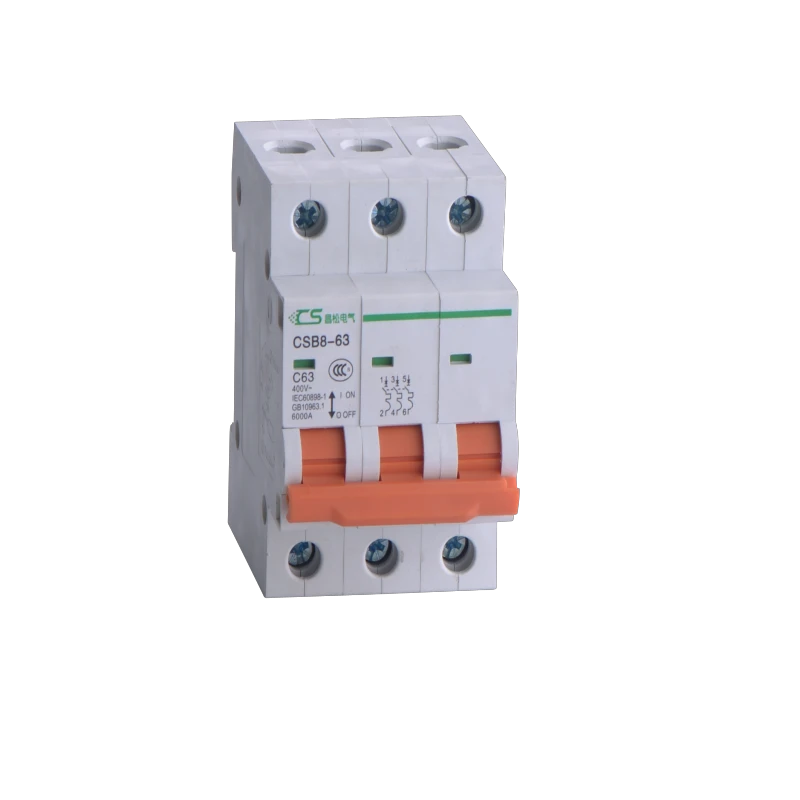
As a combiner box supplier, I'm committed to providing high-quality products and expert advice to help you make the right choices for your solar power system. If you have any questions or need assistance in selecting the right circuit breaker for your combiner box, please don't hesitate to contact me. I'm here to help you ensure the success of your solar installation.
References
- "Solar Power Systems Design and Installation Handbook"
- "Electrical Safety Standards for Solar Power Systems"
- Manufacturer's specifications and technical documentation for circuit breakers and other components


