

How does an AC MCB's performance change with altitude?
As a supplier of AC MCBs (Miniature Circuit Breakers), I've witnessed firsthand the importance of understanding how environmental factors can impact the performance of electrical components. One such factor that often goes overlooked is altitude. In this blog post, I'll delve into the science behind how an AC MCB's performance changes with altitude and why it matters for your electrical systems.
The Basics of AC MCBs
Before we dive into the effects of altitude, let's briefly review what an AC MCB is and how it works. An AC MCB is a protective device that automatically interrupts the electrical circuit when it detects an overload or short circuit. It consists of a bimetallic strip that heats up and bends when an excessive current flows through it, tripping the breaker and cutting off the power. MCBs are commonly used in residential, commercial, and industrial applications to safeguard electrical systems and prevent electrical fires.
The Impact of Altitude on Air Density
The primary way altitude affects an AC MCB's performance is through its impact on air density. As altitude increases, the air pressure decreases, resulting in lower air density. This reduction in air density has several consequences for the operation of an AC MCB:
- Dielectric Strength: The dielectric strength of air, which is its ability to withstand electrical stress without breaking down, decreases with decreasing air density. At higher altitudes, the reduced dielectric strength means that the air surrounding the MCB's contacts is more likely to ionize and conduct electricity, leading to a higher risk of arcing and electrical breakdown.
- Heat Dissipation: Air is an important medium for heat dissipation. The lower air density at higher altitudes reduces the convective heat transfer coefficient, which means that the MCB has a harder time dissipating heat generated during normal operation. This can cause the MCB to overheat, leading to premature aging, reduced performance, and even failure.
- Arc Extinction: When an AC MCB trips, an arc is formed between the contacts as the current is interrupted. The ability of the MCB to extinguish this arc quickly and reliably is crucial for its proper operation. At higher altitudes, the reduced air density makes it more difficult to extinguish the arc, increasing the risk of sustained arcing and damage to the MCB's contacts.
Performance Degradation at High Altitudes
The effects of altitude on air density can lead to several performance degradation issues in AC MCBs:
- Reduced Breaking Capacity: The breaking capacity of an AC MCB is the maximum current it can safely interrupt without damage. At higher altitudes, the reduced dielectric strength and difficulty in arc extinction can cause the breaking capacity of the MCB to decrease. This means that the MCB may not be able to safely interrupt high currents, increasing the risk of electrical fires and equipment damage.
- Increased Tripping Time: The tripping time of an AC MCB is the time it takes for the breaker to trip after detecting an overload or short circuit. At higher altitudes, the reduced heat dissipation can cause the bimetallic strip in the MCB to heat up more slowly, resulting in an increased tripping time. This delay in tripping can allow excessive current to flow through the circuit for a longer period, potentially causing damage to electrical equipment.
- Higher Failure Rate: The combination of reduced breaking capacity, increased tripping time, and difficulty in arc extinction can lead to a higher failure rate in AC MCBs operating at high altitudes. This can result in frequent outages, increased maintenance costs, and a greater risk of electrical hazards.
Mitigating the Effects of Altitude
To ensure the reliable operation of AC MCBs at high altitudes, several mitigation measures can be taken:
- De-rating: One of the simplest ways to mitigate the effects of altitude is to de-rate the AC MCB. This involves reducing the rated current of the MCB to account for the reduced performance at higher altitudes. For example, an MCB that is rated for 20 amps at sea level may need to be de-rated to 16 amps at an altitude of 2,000 meters.
- Use of High-Altitude MCBs: Some manufacturers offer high-altitude MCBs that are specifically designed to operate at higher altitudes. These MCBs are typically constructed with materials and designs that are more resistant to the effects of altitude, such as improved arc extinction mechanisms and enhanced heat dissipation capabilities.
- Proper Installation and Maintenance: Proper installation and maintenance of AC MCBs are essential for their reliable operation at high altitudes. This includes ensuring that the MCB is installed in a well-ventilated area, that the wiring is properly sized and connected, and that the MCB is regularly inspected and tested for proper operation.
Applications and Considerations
Understanding how an AC MCB's performance changes with altitude is particularly important in applications where the electrical system is located at high altitudes, such as in mountainous regions, high-rise buildings, or aircraft. In these applications, the effects of altitude on the MCB's performance can have a significant impact on the reliability and safety of the electrical system.
When selecting an AC MCB for a high-altitude application, it's important to consider the following factors:
- Altitude Rating: Check the manufacturer's specifications to ensure that the MCB is rated for the altitude at which it will be operating. Using an MCB that is not rated for the appropriate altitude can result in premature failure and safety hazards.
- Breaking Capacity: Consider the breaking capacity of the MCB and ensure that it is sufficient for the application. At higher altitudes, the reduced breaking capacity of the MCB may require the use of a higher-rated MCB to ensure reliable operation.
- Environmental Conditions: In addition to altitude, other environmental factors such as temperature, humidity, and dust can also affect the performance of an AC MCB. Consider these factors when selecting an MCB and ensure that it is suitable for the specific environmental conditions of the application.
Conclusion and Call to Action
In conclusion, altitude can have a significant impact on the performance of an AC MCB. The reduced air density at higher altitudes can lead to a decrease in dielectric strength, heat dissipation, and arc extinction, resulting in reduced breaking capacity, increased tripping time, and a higher failure rate. To ensure the reliable operation of AC MCBs at high altitudes, it's important to take appropriate mitigation measures such as de-rating, using high-altitude MCBs, and ensuring proper installation and maintenance.

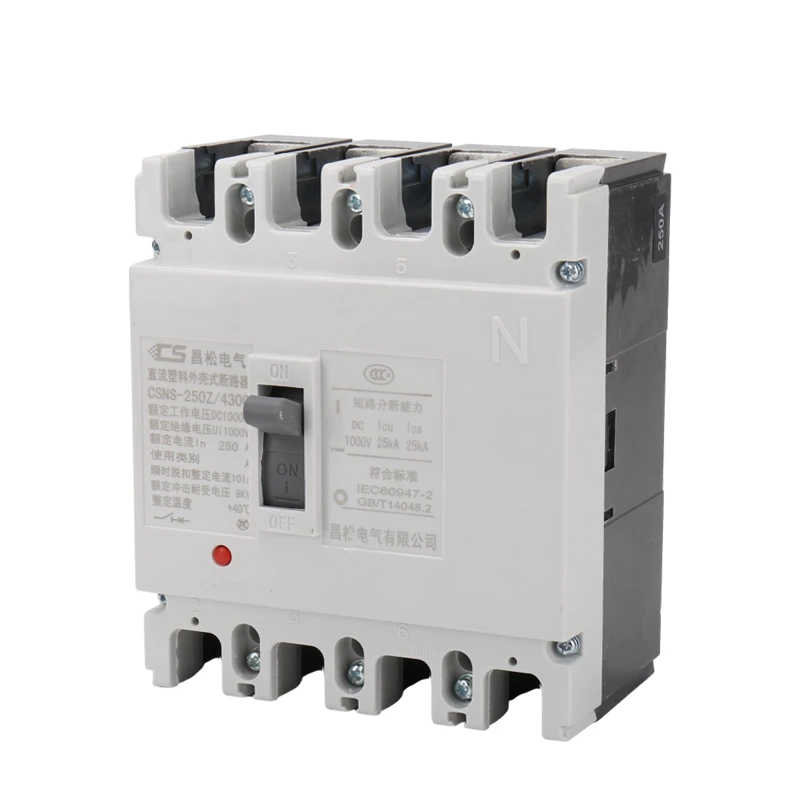
If you're in the market for AC MCBs or other electrical components, we're here to help. We offer a wide range of high-quality 400 Amps Modular Circuit Breaker, 3 Phase Booster Transformer, 800 Amps Plastic Case Circuit Breaker (MCCB) that are designed to meet the needs of various applications, including those at high altitudes. Contact us today to learn more about our products and how we can help you ensure the reliability and safety of your electrical systems.
References
- IEC 60898-1:2019, "Electrical accessories - Circuit-breakers for overcurrent protection for household and similar installations - Part 1: Circuit-breakers for a.c. circuits"
- UL 489:2019, "Molded-Case Circuit Breakers, Molded-Case Switches, and Circuit-Breaker Enclosures"
- IEEE Std 1584-2018, "Guide for Performing Arc-Flash Hazard Calculations"


