

As a seasoned supplier of combiner box AC, I've witnessed firsthand the critical role these devices play in electrical systems, especially in solar power installations. However, like any complex equipment, combiner box AC units are prone to several common problems that can affect their performance and reliability. In this blog post, I'll delve into these issues, explore their causes, and discuss potential solutions to help you keep your combiner box AC running smoothly.
Overheating
One of the most prevalent problems with combiner box AC is overheating. This can occur due to various factors, including excessive current flow, poor ventilation, or faulty components. When a combiner box AC overheats, it can lead to a range of issues, such as reduced efficiency, premature component failure, and even fire hazards.
Excessive current flow is often caused by overloading the combiner box AC beyond its rated capacity. This can happen when too many solar panels are connected to the box or when the electrical load exceeds the specified limits. To prevent overheating due to overloading, it's essential to ensure that the combiner box AC is properly sized for the system it serves. You can consult the manufacturer's specifications or work with a qualified electrician to determine the appropriate size for your installation.
Poor ventilation is another common cause of overheating in combiner box AC units. If the box is installed in a confined space or if the ventilation openings are blocked, heat can build up inside the box, leading to elevated temperatures. To improve ventilation, make sure the combiner box AC is installed in a well-ventilated area with adequate clearance around it. Avoid installing the box near heat sources or in areas with poor air circulation. Additionally, regularly inspect the ventilation openings to ensure they are not blocked by dust, debris, or other obstructions.
Faulty components, such as RCBO Switch, can also contribute to overheating in combiner box AC units. A malfunctioning circuit breaker or other electrical component can cause excessive resistance, which in turn generates heat. If you suspect a faulty component is causing overheating, it's important to have the unit inspected and repaired by a qualified technician. They can diagnose the problem and replace the defective component as needed.
Electrical Faults
Electrical faults are another common issue with combiner box AC units. These faults can range from minor issues, such as loose connections, to more serious problems, such as short circuits or ground faults. Electrical faults can cause a variety of problems, including power outages, equipment damage, and safety hazards.
Loose connections are one of the most common electrical faults in combiner box AC units. Over time, vibrations, temperature changes, and other factors can cause the electrical connections in the box to loosen. This can lead to increased resistance, which in turn generates heat and can cause the connections to overheat. To prevent loose connections, it's important to regularly inspect the combiner box AC and tighten any loose connections. You can use a torque wrench to ensure that the connections are tightened to the manufacturer's specifications.
Short circuits and ground faults are more serious electrical faults that can occur in combiner box AC units. A short circuit occurs when two conductors with different electrical potentials come into contact with each other, causing a large amount of current to flow through the circuit. A ground fault occurs when an electrical conductor comes into contact with the ground, causing a current to flow to the ground. Both short circuits and ground faults can cause significant damage to the combiner box AC and other electrical equipment, as well as pose a safety hazard.
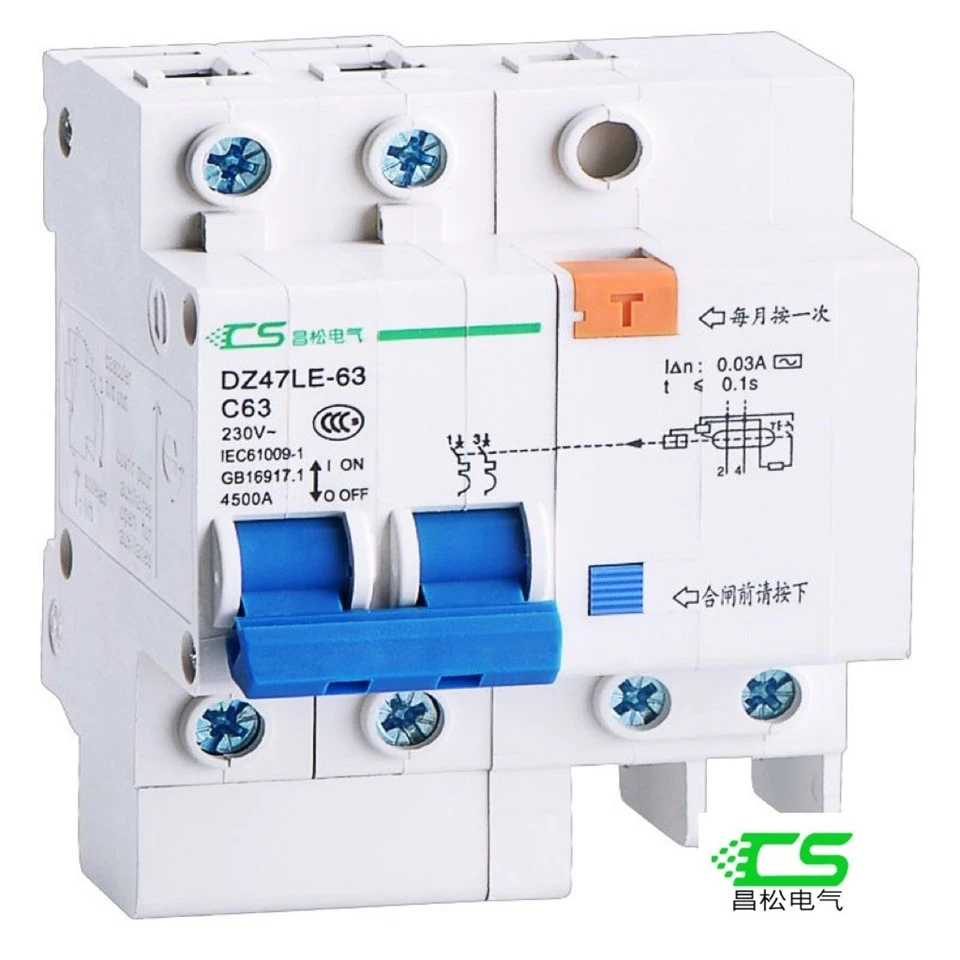

To prevent short circuits and ground faults, it's important to use high-quality electrical components and to follow proper installation procedures. Make sure all electrical connections are properly insulated and that the combiner box AC is grounded correctly. Additionally, install Dc Mcb 125a Circuit Breaker and other protective devices to help prevent electrical faults from occurring.
Corrosion
Corrosion is another common problem with combiner box AC units, especially in outdoor installations. Exposure to moisture, salt, and other environmental factors can cause the metal components in the box to corrode over time. Corrosion can weaken the structural integrity of the box, as well as cause electrical problems, such as poor conductivity and short circuits.
To prevent corrosion, it's important to choose a combiner box AC that is made from high-quality materials and that is designed to withstand the environmental conditions in which it will be installed. Look for boxes that are made from corrosion-resistant materials, such as stainless steel or aluminum, and that have a protective coating to help prevent rust and other forms of corrosion. Additionally, make sure the combiner box AC is installed in a location that is protected from the elements, such as under a roof or in a weatherproof enclosure.
Inadequate Protection
Inadequate protection is another common issue with combiner box AC units. These boxes are designed to protect the electrical components inside them from a variety of hazards, such as overcurrent, overvoltage, and short circuits. However, if the protection devices in the box are not properly sized or installed, they may not provide adequate protection.
To ensure adequate protection, it's important to use high-quality protection devices, such as Solar Combiner Box 6 String, and to follow the manufacturer's specifications when installing them. Make sure the protection devices are properly sized for the system they serve and that they are installed in the correct location in the combiner box AC. Additionally, regularly inspect the protection devices to ensure they are functioning properly and replace them as needed.
Conclusion
In conclusion, combiner box AC units are essential components in electrical systems, especially in solar power installations. However, like any complex equipment, they are prone to several common problems, such as overheating, electrical faults, corrosion, and inadequate protection. By understanding these problems and taking steps to prevent them, you can ensure that your combiner box AC unit operates safely and efficiently for many years to come.
If you're experiencing any problems with your combiner box AC unit or if you're in the market for a new one, please don't hesitate to contact us. As a leading supplier of combiner box AC units, we have the expertise and experience to help you find the right solution for your needs. Our team of experts can provide you with detailed information about our products, offer technical support, and assist you with the installation and maintenance of your combiner box AC unit.
References
- Manufacturer's specifications for combiner box AC units
- Electrical codes and standards for solar power installations
- Industry best practices for the installation and maintenance of combiner box AC units


