

Over - voltage in an electrical system can cause significant damage to equipment, leading to costly repairs and downtime. As a supplier of AC combiner boxes, understanding how over - voltage protection works in these boxes is crucial for both us and our customers. In this blog, we'll delve into the mechanisms of over - voltage protection in AC combiner boxes, exploring the components involved and the processes they undergo to safeguard electrical systems.
Understanding Over - Voltage
Before we discuss the protection mechanisms, it's essential to understand what over - voltage is. Over - voltage occurs when the voltage in an electrical circuit exceeds its normal or rated value. This can happen due to various reasons, such as lightning strikes, grid fluctuations, or the sudden disconnection of large loads. In an AC combiner box, over - voltage can damage sensitive electronic components, including inverters, controllers, and other devices connected to the system.
Components of Over - Voltage Protection in AC Combiner Boxes
Surge Protective Devices (SPDs)
Surge Protective Devices are one of the primary components used for over - voltage protection in AC combiner boxes. SPDs are designed to divert excessive voltage to the ground, preventing it from reaching the connected equipment. They work by detecting the sudden increase in voltage and providing a low - impedance path for the surge current to flow.
There are different types of SPDs, including Type 1, Type 2, and Type 3. Type 1 SPDs are typically used for direct lightning strike protection and are installed at the main incoming power supply. Type 2 SPDs are used for secondary protection and are commonly found in AC combiner boxes. They are designed to handle lower - level surges and are more suitable for protecting sensitive electronic equipment. Type 3 SPDs are used for fine - protection and are often installed close to the equipment they are protecting.
When a surge occurs, the SPD's internal components, such as metal - oxide varistors (MOVs) or gas - discharge tubes (GDTs), change their electrical properties. MOVs, for example, have a high resistance under normal operating conditions but become highly conductive when the voltage exceeds a certain threshold. This allows the surge current to flow through the SPD and into the ground, protecting the connected equipment.
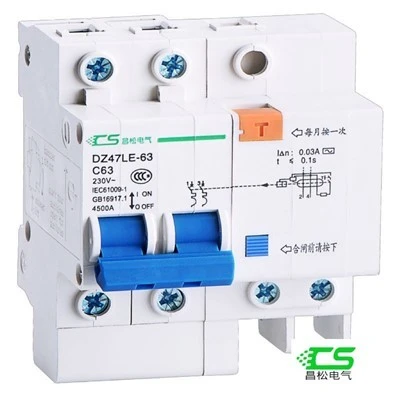

Circuit Breakers
Circuit breakers are another important component in over - voltage protection. 3 Phase Rcbo are commonly used in AC combiner boxes to protect against over - current and over - voltage conditions. A circuit breaker is an automatic electrical switch that can interrupt the flow of current when it detects an abnormal condition, such as an over - voltage or over - current.
In the case of over - voltage, the circuit breaker can trip and disconnect the power supply to the connected equipment. This prevents the equipment from being exposed to excessive voltage, which could cause damage. Circuit breakers can be thermal, magnetic, or a combination of both. Thermal circuit breakers use a bimetallic strip that bends when heated by an over - current, causing the breaker to trip. Magnetic circuit breakers use an electromagnet that pulls a switch open when the current exceeds a certain level.
Voltage Monitoring and Control Systems
Modern AC combiner boxes often incorporate voltage monitoring and control systems. These systems continuously monitor the voltage levels in the box and can take appropriate action if an over - voltage condition is detected. They can be programmed to send alerts to operators or automatically adjust the system to prevent damage.
For example, a voltage monitoring system might detect an over - voltage condition and send a signal to a Two - way Power Switch. The switch can then transfer the load to an alternative power source or disconnect the load from the over - voltage supply. This helps to protect the equipment and maintain the stability of the electrical system.
The Process of Over - Voltage Protection in AC Combiner Boxes
Detection
The first step in over - voltage protection is the detection of the over - voltage condition. This is typically done by the voltage monitoring system or the SPDs. The voltage monitoring system continuously measures the voltage levels in the AC combiner box and compares them to the normal operating range. If the voltage exceeds the set threshold, it triggers an alarm or initiates a protective action.
SPDs also play a role in detection. When the voltage across an SPD reaches its breakdown voltage, it starts to conduct current. This change in conductivity is detected by the SPD's internal circuitry, which then activates the protection mechanism.
Response
Once an over - voltage condition is detected, the AC combiner box's protection components respond to prevent damage to the connected equipment. The SPDs divert the surge current to the ground, reducing the voltage across the equipment. The circuit breakers may trip to disconnect the power supply, further protecting the equipment from the over - voltage.
If the over - voltage is caused by a grid fluctuation, the voltage monitoring and control system may take additional steps. It might adjust the system's settings, such as the power output of the inverters, to reduce the stress on the equipment. In some cases, it may also communicate with the grid operator to address the root cause of the over - voltage.
Recovery
After the over - voltage condition has been resolved, the AC combiner box needs to recover and resume normal operation. The circuit breakers can be reset manually or automatically, depending on their design. The SPDs return to their normal high - resistance state, and the voltage monitoring system continues to monitor the voltage levels.
Importance of Over - Voltage Protection in AC Combiner Boxes
Over - voltage protection is essential for the reliable operation of AC combiner boxes and the connected electrical equipment. Without proper protection, over - voltage can cause a range of problems, including component failure, reduced equipment lifespan, and system downtime.
In solar power systems, for example, AC combiner boxes are used to combine the output of multiple inverters. These systems are often exposed to external factors such as lightning strikes and grid fluctuations, making them vulnerable to over - voltage. By providing effective over - voltage protection, we can ensure the long - term performance and reliability of these systems.
Conclusion
As a supplier of AC combiner boxes, we understand the importance of over - voltage protection. By incorporating high - quality surge protective devices, circuit breakers, and voltage monitoring systems, we can provide our customers with reliable and safe AC combiner boxes. These protection mechanisms work together to detect, respond to, and recover from over - voltage conditions, safeguarding the connected equipment and ensuring the stability of the electrical system.
If you're interested in learning more about our AC combiner boxes or need assistance with over - voltage protection in your electrical system, we encourage you to contact us for a procurement discussion. Our team of experts is ready to help you find the best solutions for your specific needs.
References
- International Electrotechnical Commission (IEC). IEC 61643 - 11:2011, Low - voltage surge protective devices - Part 11: Surge protective devices connected to low - voltage power systems - Requirements and tests.
- Underwriters Laboratories (UL). UL 1449, Standard for Surge Protective Devices.
- IEEE Standards Association. IEEE C62.41.2 - 2002, Recommended Practice on Characterization of Surges in Low - Voltage (1000 V and Less) AC Power Circuits.


