

Hey there! As a supplier of 125 amp DC breakers, I often get asked if these breakers can be used in a marine environment. It's a valid question, considering the unique challenges that come with marine settings. In this blog post, I'll dive into the details and give you a clear answer.
First off, let's talk about what makes the marine environment so different. The biggest factor is the presence of saltwater. Saltwater is highly corrosive, which means it can eat away at metal components over time. This is a major concern for electrical equipment, as corrosion can lead to short circuits, malfunctions, and even fires.
Another challenge is the constant exposure to moisture. In a marine environment, humidity levels are typically high, and there's always the risk of water splashing or spraying onto the equipment. This can cause electrical components to short out or develop rust, which can also lead to malfunctions.
So, can a 125 amp DC breaker be used in a marine environment? The answer is yes, but with some important considerations. Here are some factors to keep in mind:
1. Corrosion Resistance
When choosing a 125 amp DC breaker for a marine environment, it's crucial to select one that is designed to resist corrosion. Look for breakers that are made from materials such as stainless steel or aluminum, which are highly resistant to rust and corrosion. Additionally, the breaker should have a protective coating or finish to further prevent corrosion.

2. Sealing and Enclosure
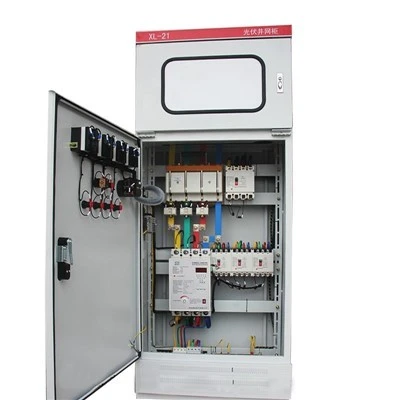
To protect the breaker from moisture and water ingress, it should be properly sealed and enclosed. Look for breakers that have a high Ingress Protection (IP) rating, which indicates the level of protection against dust and water. For a marine environment, an IP rating of at least IP65 is recommended, which means the breaker is dust-tight and protected against low-pressure water jets from any direction.
3. Temperature and Humidity Tolerance
The marine environment can be subject to extreme temperature and humidity variations. The breaker should be able to operate effectively within a wide range of temperatures and humidity levels. Look for breakers that have a high temperature rating and are designed to withstand high humidity without malfunctioning.
4. Vibration and Shock Resistance
Boats and other marine vessels are subject to constant vibration and shock, which can cause electrical components to loosen or become damaged. The breaker should be designed to withstand these conditions and remain securely in place. Look for breakers that have a robust construction and are designed to resist vibration and shock.
5. Compliance with Marine Standards
To ensure the safety and reliability of the breaker in a marine environment, it should comply with relevant marine standards and regulations. Look for breakers that are certified to meet standards such as UL 489, which is a standard for molded-case circuit breakers, or ABYC (American Boat and Yacht Council) standards, which are specific to marine electrical systems.
Now that you know what to look for in a 125 amp DC breaker for a marine environment, let's take a look at some of the benefits of using these breakers in a marine setting:
1. Overcurrent Protection
One of the primary functions of a DC breaker is to provide overcurrent protection. In a marine environment, electrical systems are often subject to high loads and short circuits, which can cause damage to equipment and pose a safety hazard. A 125 amp DC breaker can help prevent these issues by automatically shutting off the circuit when the current exceeds a safe level.
2. Fault Protection
In addition to overcurrent protection, a DC breaker can also provide fault protection. This means that if there is a fault in the electrical system, such as a short circuit or ground fault, the breaker will trip and shut off the circuit to prevent further damage. This can help protect the electrical system and the equipment connected to it.
3. Safety
Using a 125 amp DC breaker in a marine environment can help improve safety by reducing the risk of electrical fires and other hazards. By providing overcurrent and fault protection, the breaker can help prevent electrical systems from overheating and causing a fire. Additionally, the breaker can help protect personnel from electrical shock by shutting off the circuit in the event of a fault.
Examples of Applications
There are many applications for 125 amp DC breakers in a marine environment. Here are a few examples:
- Battery Banks: Marine vessels often use large battery banks to power their electrical systems. A 125 amp DC breaker can be used to protect the battery bank from overcharging and over-discharging, as well as to provide overcurrent and fault protection.
- Solar Panels: Solar panels are becoming increasingly popular on marine vessels as a source of renewable energy. A 125 amp DC breaker can be used to protect the solar panel system from overcurrent and short circuits, as well as to isolate the system in the event of a fault. You can learn more about PV Direct Current Safeguards at PV Direct Current Safeguards.
- Electrical Distribution Systems: Marine vessels have complex electrical distribution systems that require reliable protection. A 125 amp DC breaker can be used to protect the electrical distribution system from overcurrent and short circuits, as well as to isolate individual circuits in the event of a fault. For more information on switchgear distribution cabinets, check out Switchgear Distribution Cabinet.
- Integrated Equipment Cells: Some marine vessels use integrated equipment cells to house multiple electrical components. A 125 amp DC breaker can be used to protect the equipment in the cell from overcurrent and short circuits, as well as to provide fault protection. You can find more details about integrated equipment cells at Integrated Equipment Cell.
In conclusion, a 125 amp DC breaker can be used in a marine environment, but it's important to choose a breaker that is designed to withstand the unique challenges of the marine setting. By considering factors such as corrosion resistance, sealing and enclosure, temperature and humidity tolerance, vibration and shock resistance, and compliance with marine standards, you can ensure that the breaker will provide reliable protection for your marine electrical system.
If you're in the market for a 125 amp DC breaker for your marine application, I'd love to help. As a supplier of high-quality DC breakers, I can provide you with the right breaker for your needs and offer expert advice on installation and maintenance. Don't hesitate to reach out to me to start a conversation about your requirements and explore how we can work together to keep your marine electrical system safe and reliable.
References
- UL 489 Standard for Molded-Case Circuit Breakers and Circuit-Breaker Enclosures
- ABYC (American Boat and Yacht Council) Standards for Marine Electrical Systems


