

Hey there! As a supplier of PV AC combiner boxes, I've been getting a lot of questions lately about whether these nifty devices can actually boost the efficiency of a PV system. So, I thought I'd sit down and share my thoughts on this topic.
First off, let's quickly go over what a PV AC combiner box is. In a PV system, solar panels generate DC (direct current) electricity. This DC power then needs to be converted to AC (alternating current) by an inverter before it can be used in most electrical appliances or fed into the grid. A PV AC combiner box comes into play after the inverter. It's designed to combine the AC output from multiple inverters into a single circuit, making it easier to manage and distribute the power.
Now, let's dive into the big question: Can a PV AC combiner box increase the efficiency of a PV system? Well, the answer isn't a simple yes or no. There are several ways in which these boxes can have a positive impact on efficiency, but there are also some limitations to consider.
Positive Impacts on Efficiency
1. Reduced Cable Losses
One of the main ways a PV AC combiner box can boost efficiency is by reducing cable losses. When you have multiple inverters in a PV system, each inverter needs to be connected to the electrical distribution system. Without a combiner box, you'd have a bunch of individual cables running from each inverter to the main switchboard or grid connection point. These individual cables can be quite long, especially in large PV installations. And as we know, the longer the cable, the higher the resistance, and the more power is lost as heat during transmission.
A PV AC combiner box allows you to combine the outputs of multiple inverters into a single cable. This means you can use a larger - gauge cable with lower resistance, which reduces the power lost as heat. For example, in a large commercial PV system with ten inverters, using a combiner box to combine their outputs into one cable can significantly cut down on the overall cable length and, consequently, the cable losses.
2. Simplified System Management
Efficiency isn't just about how much power is generated; it's also about how well the system is managed. A PV AC combiner box simplifies the electrical layout of the PV system. It provides a central point where all the AC power from the inverters is collected. This makes it easier for maintenance personnel to monitor and troubleshoot the system. They can quickly access all the inverter outputs in one place, rather than having to track down individual cables and connections throughout the installation.
For instance, if there's a problem with one of the inverters, it's much easier to isolate and identify the issue when all the inverter outputs are combined in a combiner box. This reduces the downtime of the PV system, ensuring that it can continue to generate power efficiently.
3. Improved Protection
PV AC combiner boxes are often equipped with protective devices such as circuit breakers and fuses. These devices help protect the PV system from over - current, short - circuits, and other electrical faults. By preventing damage to the inverters and other components, the combiner box ensures that the PV system can operate at its optimal efficiency.
For example, if there's a sudden surge in current due to a fault in the grid or a malfunctioning inverter, the circuit breaker in the combiner box will trip, cutting off the power and preventing further damage. This protects the expensive inverters and other components, which can be costly to replace and would otherwise lead to a significant reduction in the system's efficiency.
Limitations
1. Initial Investment
While a PV AC combiner box can lead to long - term efficiency gains, there's an initial investment required. The cost of purchasing and installing a combiner box, along with the associated protective devices, can be significant, especially for smaller PV systems. For some small - scale residential PV installations, the cost - benefit analysis may not be favorable. The savings in cable losses and improved system management may not justify the upfront cost of the combiner box.
2. Compatibility Issues
Not all PV systems are suitable for a PV AC combiner box. The inverters in the system need to be compatible with each other and with the combiner box. If the inverters have different output voltages, frequencies, or power ratings, it can be challenging to combine their outputs effectively. In some cases, incompatible inverters may not work properly when connected to a combiner box, which can actually reduce the overall efficiency of the PV system.
3. Heat Generation
PV AC combiner boxes, especially those with a large number of connections and protective devices, can generate heat. If not properly ventilated, this heat can build up and affect the performance of the components inside the box. Excessive heat can cause the circuit breakers and other devices to trip prematurely or reduce their lifespan. This can lead to system downtime and a decrease in efficiency.
Real - World Examples
Let's take a look at a real - world example to see how a PV AC combiner box can impact efficiency. Consider a large solar farm with 50 inverters. Without a combiner box, each inverter would be connected to the grid via an individual cable. The total cable length for all these connections would be quite long, resulting in significant cable losses.
By installing a PV AC combiner box, the outputs of all 50 inverters are combined into a single cable. The operator of the solar farm noticed a reduction in cable losses of about 5%. This may not seem like a huge number, but over the course of a year, it translates into a substantial amount of additional power generated. Moreover, the simplified system management meant that maintenance and troubleshooting became much easier, reducing the overall downtime of the solar farm.
Limitations in Practice
On the other hand, I once worked with a small residential PV system where the homeowner wanted to install a combiner box. After a detailed analysis, we found that the cost of the combiner box and the installation was so high that it would take over 10 years to recoup the investment through the savings in cable losses. In this case, it wasn't a cost - effective solution, and the homeowner decided not to proceed.
Related Products
If you're interested in PV systems, you might also want to check out some related products. For example, the High Voltage Preinstalled Substation is a great option for large - scale PV installations. It provides a comprehensive solution for high - voltage power distribution and can work in conjunction with a PV AC combiner box.
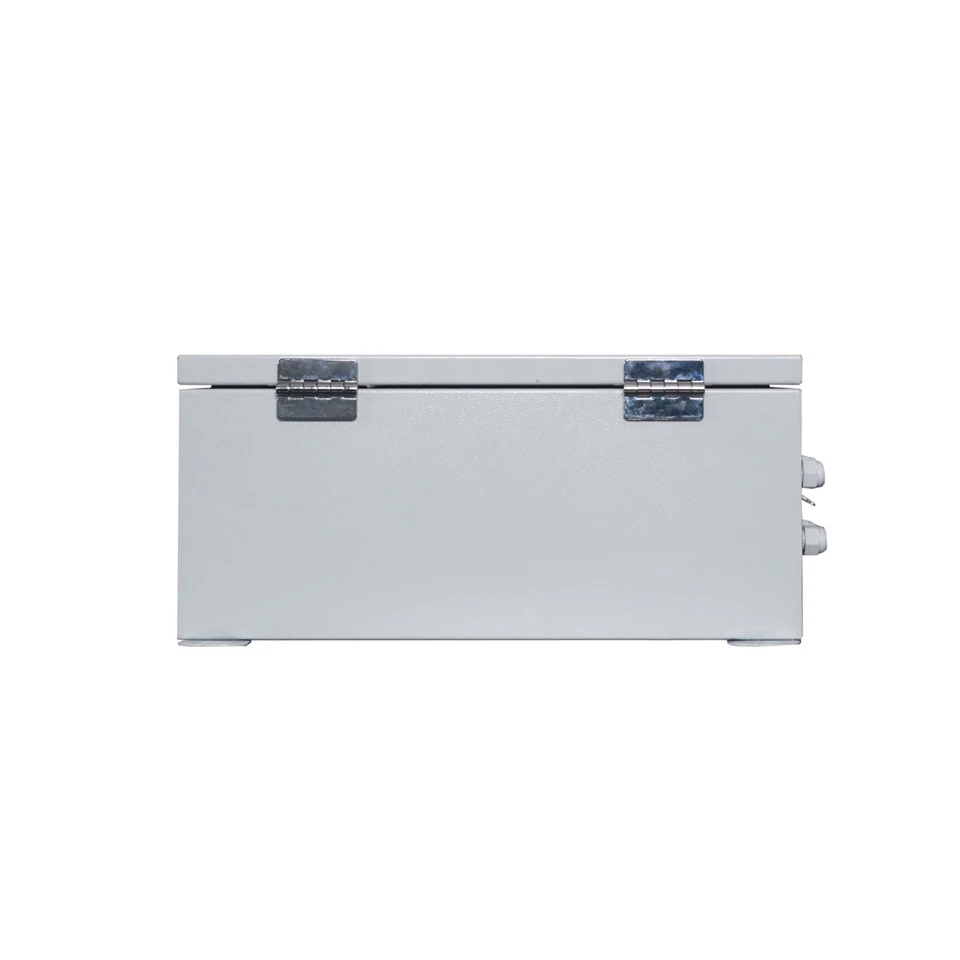

The Photovoltaic DC Collector Box is another important component in a PV system. It's used to collect the DC output from multiple solar panels before it's sent to the inverter. And if you're looking for reliable circuit breakers for your PV system, the Minibreak is a top - notch choice.
Conclusion
So, can a PV AC combiner box increase the efficiency of a PV system? The answer is yes, it can. By reducing cable losses, simplifying system management, and providing improved protection, a combiner box can have a positive impact on the overall efficiency of a PV system. However, it's important to consider the limitations, such as the initial investment, compatibility issues, and heat generation.
If you're thinking about installing a PV system or upgrading an existing one, I'd be more than happy to discuss whether a PV AC combiner box is the right choice for you. Feel free to reach out to me for more information and to start a procurement discussion. I can help you assess your specific needs and determine if a combiner box will truly boost the efficiency of your PV system.
References
- "Solar Photovoltaic Systems Design and Installation Handbook"
- Industry reports on PV system efficiency and electrical components


