

As a supplier of AC combiner boxes, I've often been asked whether an AC combiner box can be integrated with a battery storage system. This question is not only relevant in the context of modern energy management but also crucial for those looking to optimize their power systems. In this blog, I'll delve into the technical aspects, benefits, challenges, and considerations of integrating an AC combiner box with a battery storage system.
Technical Feasibility
To understand the feasibility of integrating an AC combiner box with a battery storage system, we first need to understand the functions of each component. An AC combiner box is designed to combine multiple AC inputs from various sources, such as solar inverters or wind turbines, into a single output. It typically includes circuit breakers, fuses, and surge protectors to ensure the safe and efficient operation of the system. On the other hand, a battery storage system stores electrical energy in batteries for later use, often in conjunction with renewable energy sources.
The integration is technically feasible because both systems operate in the AC domain. The AC combiner box can receive the AC output from the battery inverter, which converts the DC power stored in the batteries into AC power. This allows the combined power from the renewable energy sources and the battery storage system to be distributed to the load or the grid.
Benefits of Integration
1. Enhanced Energy Management
Integrating an AC combiner box with a battery storage system allows for better energy management. During periods of high energy production from renewable sources, excess energy can be stored in the batteries. When the energy production is low or the demand is high, the stored energy can be released and combined with the current energy production through the AC combiner box. This helps to balance the energy supply and demand, reducing the reliance on the grid.
2. Increased System Efficiency
By combining the power from different sources in a single AC combiner box, the overall system efficiency can be improved. The combiner box can optimize the power flow, reducing losses associated with multiple power distribution paths. Additionally, the battery storage system can help to smooth out the fluctuations in renewable energy production, ensuring a more stable and reliable power supply.
3. Cost Savings
The integration can lead to cost savings in the long run. By storing excess energy and using it during peak demand periods, users can avoid paying high electricity tariffs. Moreover, the reduced reliance on the grid can also result in lower transmission and distribution costs.
Challenges and Considerations
1. Compatibility
One of the main challenges in integrating an AC combiner box with a battery storage system is ensuring compatibility between the components. The AC combiner box must be able to handle the voltage, current, and frequency requirements of the battery inverter. It's also important to ensure that the circuit breakers and surge protectors in the combiner box are rated appropriately for the combined power from the renewable energy sources and the battery storage system.

2. Safety
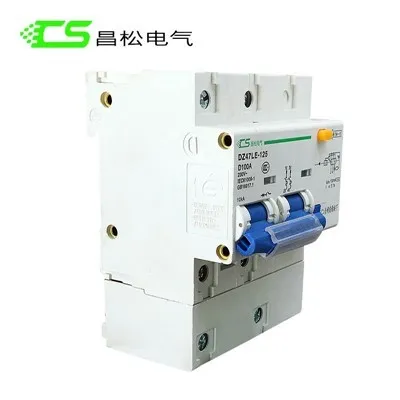
Safety is a critical consideration when integrating these two systems. The AC combiner box should be equipped with Rcbo Circuit Breaker Smart to protect against overcurrent, short - circuit, and leakage currents. Minibreak can also be used to isolate the DC circuits in the battery storage system. Additionally, a Surge Protector 220v should be installed to protect the system from voltage surges caused by lightning or other electrical disturbances.
3. Control and Monitoring
Effective control and monitoring are essential for the successful integration of an AC combiner box with a battery storage system. A monitoring system should be in place to track the energy production, storage, and consumption. This allows for real - time adjustment of the system parameters to optimize performance and ensure safety.
Case Studies
Let's look at a few real - world examples of the integration of AC combiner boxes with battery storage systems. In a large - scale solar power plant, the AC combiner boxes are used to combine the power from multiple solar inverters. By integrating a battery storage system, the plant can store excess energy during the day and release it during the evening peak demand. This not only stabilizes the power output but also increases the overall profitability of the plant.
In a residential setting, a homeowner with a solar panel system and a battery storage system can use an AC combiner box to combine the power from the solar panels and the battery. This allows the homeowner to be more self - sufficient in terms of energy consumption, reducing their electricity bills and carbon footprint.
Conclusion
In conclusion, integrating an AC combiner box with a battery storage system is not only technically feasible but also offers numerous benefits in terms of energy management, system efficiency, and cost savings. However, it's important to address the challenges related to compatibility, safety, and control.
If you're considering integrating an AC combiner box with a battery storage system for your project, I encourage you to reach out to me. As an experienced supplier of AC combiner boxes, I can provide you with high - quality products and professional advice to ensure a successful integration. Whether you're a large - scale power plant operator or a residential user, I'm here to help you optimize your energy system. Contact me for more information and to start a procurement discussion.
References
- International Electrotechnical Commission (IEC). Standards for electrical equipment in renewable energy and storage systems.
- IEEE (Institute of Electrical and Electronics Engineers). Guidelines for the integration of distributed energy resources, including battery storage.


