

Can a circuit breaker MCB be used in marine electrical systems?
As a seasoned supplier of circuit breaker MCBs, I often encounter inquiries from clients in the marine industry about the suitability of our products for their electrical systems. In this blog post, I'll delve into the technical aspects, advantages, and limitations of using Miniature Circuit Breakers (MCBs) in marine environments, offering a comprehensive perspective to help you make an informed decision.
Understanding Marine Electrical Systems
Marine electrical systems are unique due to the harsh and dynamic environment in which they operate. Ships and boats are exposed to saltwater, high humidity, vibrations, and extreme temperature variations. These conditions pose significant challenges to the reliability and safety of electrical components. The electrical systems on board are responsible for powering a wide range of equipment, from navigation systems and communication devices to lighting and propulsion systems. Ensuring the proper functioning of these systems is crucial for the safety and efficiency of maritime operations.
What is an MCB?
A Miniature Circuit Breaker (MCB) is a widely used electrical protection device designed to automatically disconnect an electrical circuit when it detects an overload or a short - circuit. MCBs are compact, easy to install, and provide reliable protection for low - voltage electrical systems. They are commonly used in residential, commercial, and industrial applications. MCBs typically operate based on two main principles: thermal and magnetic. The thermal element responds to overloads, which are prolonged currents above the rated current of the circuit. When an overload occurs, the bimetallic strip in the thermal element heats up and bends, causing the breaker to trip. The magnetic element, on the other hand, responds to short - circuits, which are very high - current faults. A large magnetic field is generated during a short - circuit, which quickly activates the magnetic trip mechanism and disconnects the circuit.
Suitability of MCBs in Marine Electrical Systems
Advantages
- Compact Size: Space is a precious commodity on ships and boats. MCBs' small size allows for easy installation in confined spaces, such as electrical panels and control cabinets. This is particularly beneficial for smaller vessels where every square inch counts.
- Overload and Short - Circuit Protection: Just like in other electrical systems, MCBs provide essential protection against overloads and short - circuits in marine applications. This helps prevent damage to electrical equipment, wiring, and reduces the risk of electrical fires. For example, in a navigation system on a ship, an MCB can protect the sensitive electronic components from damage due to electrical faults.
- Ease of Reset: Unlike fuses, which need to be replaced after they blow, MCBs can be easily reset once the fault has been cleared. This saves time and reduces maintenance costs, especially in a marine environment where quick repairs are often necessary.
Limitations
- Environmental Resistance: The marine environment is extremely corrosive due to the presence of saltwater. Standard MCBs may not be adequately protected against corrosion, which can lead to premature failure. The saltwater can corrode the metal components of the MCB, such as the contacts and the enclosure, affecting its performance and reliability.
- Vibration and Shock: Ships and boats are subject to constant vibrations and shocks, especially during rough seas. These mechanical stresses can cause the internal components of an MCB to loosen or malfunction. For instance, the bimetallic strip in the thermal element may become misaligned, leading to inaccurate tripping.
- Humidity and Condensation: High humidity levels and the formation of condensation in marine electrical compartments can also pose a threat to MCBs. Moisture can seep into the breaker, causing electrical insulation problems and increasing the risk of electrical leakage.
Solutions for Using MCBs in Marine Environments
To overcome the limitations mentioned above, manufacturers have developed specialized MCBs for marine applications. These marine - grade MCBs are designed with enhanced environmental resistance features:
- Corrosion - Resistant Materials: Marine - grade MCBs are constructed using corrosion - resistant materials, such as stainless steel or special coatings. This helps protect the internal and external components from the corrosive effects of saltwater.
- Vibration and Shock Resistance: They are also engineered to withstand the mechanical stresses of the marine environment. This may include features like reinforced enclosures and better - secured internal components.
- Sealed Enclosures: To prevent moisture ingress, marine - grade MCBs often come with sealed enclosures. These enclosures provide an additional layer of protection against humidity and condensation.
Other Considerations in Marine Electrical Systems
In addition to MCBs, there are other important components in marine electrical systems. For example, Solar Combiner Box 6 String is a useful device for solar power systems on boats. It combines the output of multiple solar panels, allowing for more efficient power collection. Fiber Terminal Distribution Box is essential for communication systems on ships, providing a central point for fiber optic cable termination and distribution. And Solar Surge Protector helps protect solar power systems from voltage surges, which are common in marine environments due to lightning strikes and other electrical disturbances.
Conclusion
In conclusion, while standard MCBs may face challenges in marine electrical systems, marine - grade MCBs can be a reliable and effective solution. They offer the necessary protection against overloads and short - circuits, while also being designed to withstand the harsh marine environment. As a circuit breaker MCB supplier, we understand the unique requirements of the marine industry and are committed to providing high - quality, specialized products.

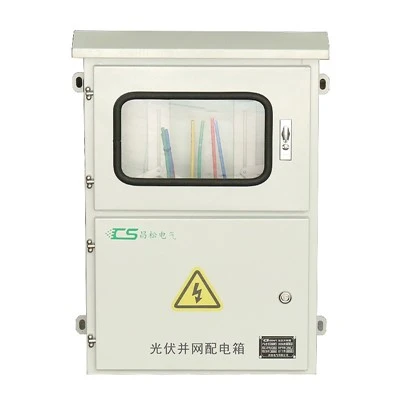
If you are in the marine industry and are considering using MCBs in your electrical systems, I encourage you to contact us for more information. Our team of experts can help you select the right MCBs for your specific needs and provide you with detailed technical support. We are dedicated to ensuring the safety and reliability of your marine electrical systems.
References
- IEEE Standards Association. (2018). IEEE Recommended Practice for Electrical Installations on Shipboard.
- International Maritime Organization (IMO). (2020). Safety of Life at Sea (SOLAS) Convention.
- Marine Electrical Systems Handbook. (2019). A comprehensive guide to marine electrical systems.


