

Hey there! As a supplier of DC MCBs for solar, I often get asked about the best place to install these little power - protectors. So, I thought I'd share some insights on where a DC MCB for solar should be installed.
First off, let's understand what a DC MCB is. A DC MCB, or Direct Current Miniature Circuit Breaker, is a crucial component in a solar power system. It protects the system from over - current and short - circuit faults. When there's an abnormal current flow, the MCB trips and cuts off the circuit, preventing damage to the solar panels, inverters, and other connected equipment.
Near the Solar Panels
One common place to install a DC MCB is right near the solar panels. This is known as a "string - level" installation. Each string of solar panels can have its own DC MCB. The main advantage of this setup is that it provides individual protection for each string. If there's a fault in one string, it won't affect the others.
Imagine a situation where a single panel in a string gets damaged due to a short - circuit. Without a DC MCB at the string level, the entire string could be at risk. But with a properly installed MCB, it'll trip as soon as the abnormal current is detected, isolating the faulty string. This way, the rest of the solar array can keep generating power. You can check out Solar DC Circuit Protectors for more options on high - quality protectors suitable for this kind of installation.
However, installing DC MCBs near the solar panels also has its challenges. The environment around solar panels can be harsh, with exposure to sunlight, heat, and moisture. These factors can affect the performance and lifespan of the MCBs. So, it's important to choose MCBs that are designed to withstand these conditions. Look for ones with a high IP (Ingress Protection) rating, which indicates their resistance to dust and water.
In the PV Connection Combination Box
Another popular location for DC MCB installation is inside the Pv Connection Combination Box. The combiner box is like a central hub for the solar power system. It combines the output from multiple solar panel strings and sends it to the inverter.
Installing DC MCBs in the combiner box simplifies the wiring and makes it easier to manage the system. Instead of having multiple MCBs scattered around the solar array, you have them all in one place. This can save on installation time and costs. Also, the combiner box is usually installed in a more protected location, away from direct sunlight and extreme weather conditions. This helps to extend the life of the MCBs.
But there's a trade - off. If a fault occurs in a particular string, the entire combiner box may need to be shut down to address the issue. This could result in a temporary loss of power from all the connected strings. So, while it's convenient, it's important to have a proper maintenance and troubleshooting plan in place.
Before the Inverter
Placing the DC MCB before the inverter is also a viable option. The inverter is responsible for converting the DC power from the solar panels into AC power that can be used in homes or businesses. By installing the MCB at this point, you're protecting the inverter from over - current and short - circuit faults.
The inverter is a relatively expensive and sensitive component of the solar power system. A fault in the DC circuit can cause significant damage to the inverter. Having a DC MCB in place acts as a safeguard. If there's an abnormal current, the MCB will trip, preventing the faulty current from reaching the inverter. You can explore Breakers Circuit to find suitable breakers for this type of installation.
One thing to note is that the MCB should be sized correctly for the inverter's input requirements. If the MCB is undersized, it may trip frequently, even under normal operating conditions. On the other hand, if it's oversized, it may not provide adequate protection.
Considerations for Installation
When deciding where to install the DC MCB, there are a few other factors to keep in mind.
Wiring Length: Shorter wiring lengths between the MCB and the components it's protecting are generally better. Longer wires can introduce resistance, which can lead to voltage drops and power losses. So, try to minimize the distance between the MCB and the solar panels, combiner box, or inverter, depending on where you choose to install it.

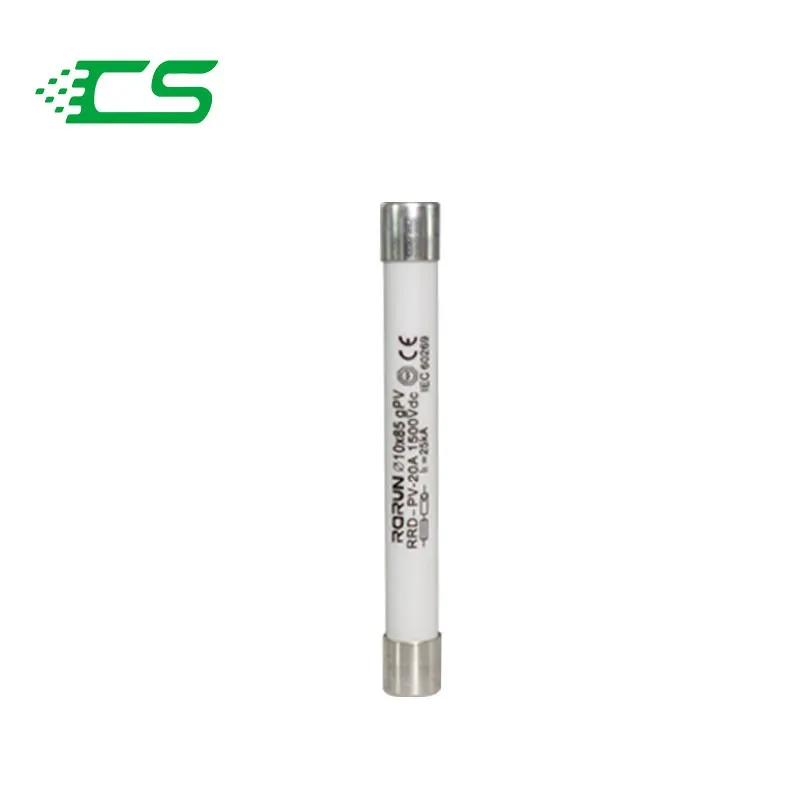
Accessibility: The MCB should be easily accessible for maintenance and troubleshooting. You don't want to have to go through a complex process just to check or replace the MCB. Make sure there's enough space around it and that it's located in a place where you can safely reach it.
Code and Standards: Always follow local electrical codes and standards when installing DC MCBs. These codes are in place to ensure the safety and proper functioning of the solar power system. Non - compliance can lead to fines and, more importantly, pose a safety risk.
Making the Right Choice
In the end, the best place to install a DC MCB for solar depends on your specific solar power system and its requirements. If you have a large - scale solar farm with multiple strings, a combination of string - level and combiner - box installations might be the way to go. For a smaller residential system, installing the MCB before the inverter or in the combiner box could be sufficient.
As a supplier, I've seen a wide range of solar power systems, and I know that every installation is unique. That's why I'm here to help you make the right decision. Whether you're a homeowner looking to install a small solar setup or a commercial developer working on a large - scale project, I can provide you with high - quality DC MCBs and expert advice on installation.
If you're interested in purchasing DC MCBs for your solar power system or need more information, don't hesitate to reach out. Let's have a chat about your specific needs and find the best solution for you.
References
- Solar Energy International. (2023). Solar Electrician's Handbook.
- National Electrical Code (NEC). (2023). Standard for Electrical Installations.


