

When discussing the weight of a DC combiner box, it's essential to understand its role in a photovoltaic (PV) system and how various factors influence its mass. As a supplier of DC combiner boxes, I've witnessed firsthand the importance of this component in ensuring the efficient and safe operation of solar power installations.
The Function of a DC Combiner Box
A DC combiner box serves as a crucial junction in a PV system. It collects the direct current (DC) output from multiple solar panels and combines them into a single or a few output circuits. This consolidation simplifies the wiring layout, reduces cable lengths, and minimizes power losses. Additionally, it provides over - current protection and isolation, enhancing the safety and reliability of the entire PV system.
Factors Affecting the Weight of a DC Combiner Box
1. Size and Capacity
The physical dimensions and electrical capacity of a DC combiner box are primary determinants of its weight. Larger boxes designed to accommodate more input circuits and handle higher currents typically weigh more. For instance, a combiner box with 12 input circuits will generally be heavier than one with only 6 input circuits. This is because it requires more internal components such as busbars, fuses, and circuit breakers to manage the increased electrical load.
2. Materials Used
The materials used in the construction of the DC combiner box also play a significant role in its weight. The enclosure can be made of various materials, including stainless steel, aluminum, or plastic. Stainless steel enclosures are known for their durability and corrosion resistance but are relatively heavy. Aluminum enclosures, on the other hand, offer a good balance between strength and weight, being lighter than stainless steel while still providing adequate protection. Plastic enclosures are the lightest option but may not be as robust in harsh environments.
The internal components, such as busbars, are usually made of copper or aluminum. Copper has excellent electrical conductivity but is denser and heavier than aluminum. Therefore, combiner boxes with copper busbars will be heavier than those with aluminum busbars.
3. Internal Components
The type and number of internal components in a DC combiner box contribute to its overall weight. Fuses and circuit breakers are essential safety devices in a combiner box. Different types of fuses and circuit breakers have different weights. For example, the 63 Amp Mccb is designed to protect the system from over - current situations. Its weight will depend on its internal construction and the materials used. Similarly, the PicoFuse Pivot is another type of protective device, and its weight is a factor in the total weight of the combiner box.

Typical Weight Ranges
The weight of a DC combiner box can vary widely depending on the factors mentioned above. Small - scale combiner boxes with a low number of input circuits and a plastic enclosure may weigh as little as 5 - 10 kilograms. These are often used in residential PV systems or small - scale commercial installations.
Medium - sized combiner boxes with an aluminum enclosure and a moderate number of input circuits can weigh between 15 - 30 kilograms. These are suitable for medium - sized commercial and industrial PV projects.
Large - scale combiner boxes with a stainless - steel enclosure and a high number of input circuits can weigh over 50 kilograms. These are typically used in utility - scale solar power plants where high - capacity and robust protection are required.
Importance of Considering Weight in PV System Design
The weight of a DC combiner box is an important consideration in PV system design. When installing a combiner box on a rooftop or a mounting structure, the weight must be taken into account to ensure the structural integrity of the installation. Excessive weight can put stress on the mounting structure, potentially leading to damage or failure.
In addition, the weight can also affect transportation and installation costs. Heavier combiner boxes require more resources for handling and transportation. Installation teams need to be equipped to handle the weight safely, which may require additional manpower or specialized equipment.
Our Offerings as a DC Combiner Box Supplier
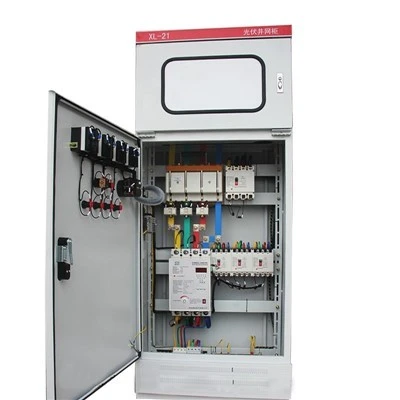
As a supplier of DC combiner boxes, we understand the diverse needs of our customers. We offer a wide range of combiner boxes with different sizes, capacities, and weights to suit various PV system applications. Our Pv Grid - Connected Cabinet is a high - quality product that combines advanced electrical design with reliable protection features.
We provide detailed technical specifications for each of our products, including the weight, so that our customers can make informed decisions during the PV system design process. Our team of experts is also available to assist customers in selecting the most suitable combiner box based on their specific requirements, taking into account factors such as weight, capacity, and environmental conditions.
Contact Us for Purchase and Consultation
If you are in the market for a DC combiner box or need more information about our products, we encourage you to contact us. Whether you are a residential homeowner looking to install a small - scale PV system or a large - scale utility company planning a solar power plant, we have the right solution for you. Our experienced sales team is ready to discuss your project requirements, provide quotes, and answer any questions you may have. Let's work together to ensure the success of your PV installation.
References
- Solar Energy Industries Association (SEIA). PV System Design and Installation Guide.
- International Electrotechnical Commission (IEC). Standards for PV System Components.


