

Hey there! As a supplier of single - phase MCCBs, I often get asked about the voltage rating of these devices. So, let's dive right into it and break down what the voltage rating of a single - phase MCCB really means.
First off, what's an MCCB? Well, it stands for Molded Case Circuit Breaker. These things are crucial in electrical systems. They protect the circuits from overcurrents, short - circuits, and other electrical faults. A single - phase MCCB is specifically designed for single - phase electrical systems, which are commonly found in residential and small commercial settings.
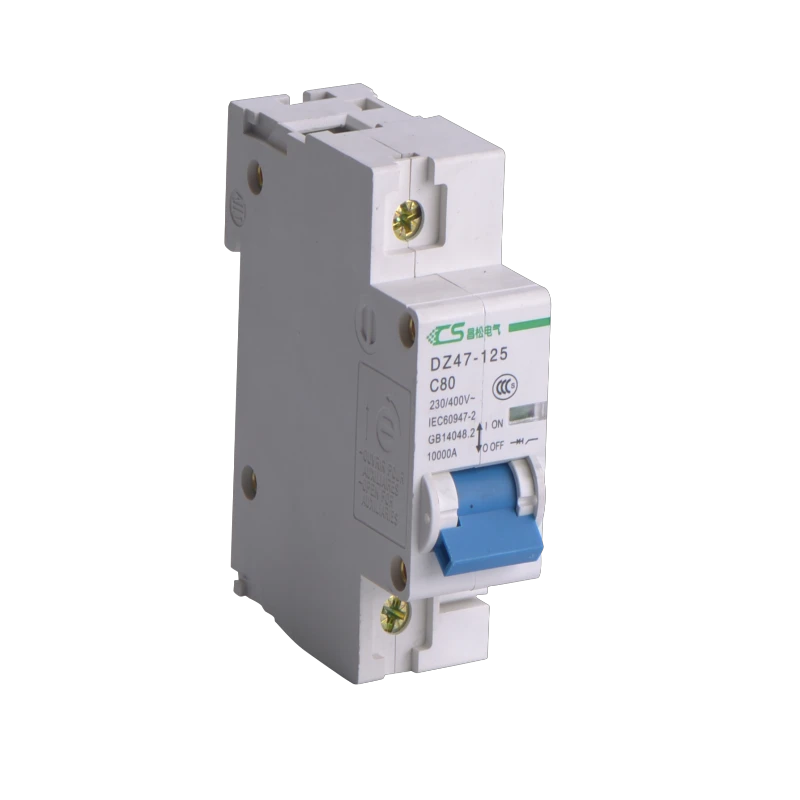
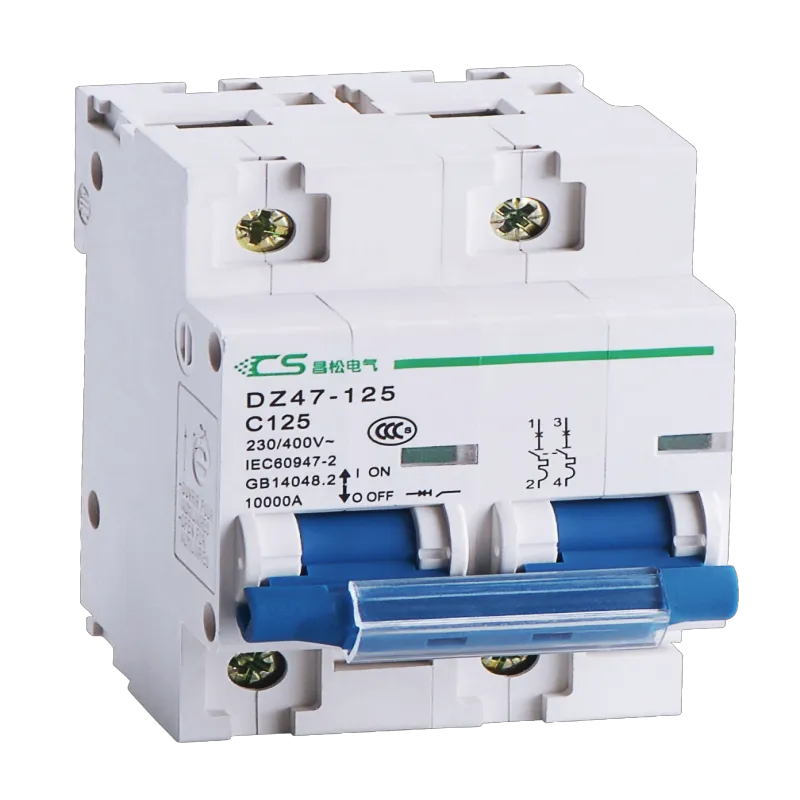
The voltage rating of a single - phase MCCB is a key specification. It indicates the maximum voltage that the breaker can safely handle in a circuit. You see, electrical systems operate at different voltages, and if you use an MCCB with a voltage rating that's too low, it can lead to all sorts of problems. For example, the breaker might not be able to interrupt the circuit properly during a fault, which can cause damage to the equipment or even pose a safety hazard.
Let's talk about how this voltage rating is determined. Manufacturers test these MCCBs under various conditions to figure out the highest voltage at which they can function reliably. They consider factors like the insulation materials used in the breaker, the design of the internal components, and the ability of the contacts to open and close without arcing at high voltages.
In most residential applications, you'll typically find single - phase MCCBs with a voltage rating of 120/240V. This is because the standard electrical supply in many homes is a split - phase system, where you have two 120V legs that can also be used together to provide 240V for larger appliances like electric dryers or ranges. When you're dealing with such a system, you need an MCCB that can handle both the 120V and 240V loads.
But it's not just residential systems. In some small commercial settings, you might encounter single - phase systems operating at 208V. In these cases, you need to make sure you use an MCCB with a voltage rating that can handle 208V. Using the wrong voltage - rated MCCB can lead to premature failure of the breaker and potential damage to the connected equipment.
Now, there are different types of single - phase MCCBs available in the market, each with its own voltage rating and features. For instance, we have the 30 Amp Ac Breaker. This breaker is quite popular for its ability to handle a 30 - amp load and is available in different voltage ratings to suit various applications. Whether you're looking to protect a small electrical circuit in a home or a light - duty commercial setup, this breaker can be a great choice.
Another interesting product is the MicroTrix Matrix. It's a more advanced single - phase MCCB that offers enhanced protection features and is designed to work with a wide range of voltage levels. This breaker uses the latest technology to ensure reliable operation and quick response to electrical faults.
We also have the Picoampere, which is a unique MCCB. While most of our discussion has been about AC systems, this breaker is designed for DC applications. It has a specific voltage rating suitable for DC circuits and can provide excellent protection for equipment running on direct current.
When you're choosing a single - phase MCCB, it's really important to match the voltage rating of the breaker with the voltage of your electrical system. You can't just pick any breaker and hope it'll work. You need to do your homework, understand the requirements of your system, and then select the right breaker.
Here are some tips to help you choose the right voltage - rated single - phase MCCB. First, check the electrical panel in your building. It usually has a label that indicates the voltage of the system. You can also look at the nameplates of the electrical equipment connected to the circuit. They often specify the voltage requirements.
Second, consult with an electrician. These guys are experts in electrical systems and can give you valuable advice on which MCCB is the best fit for your needs. They can also help you with the installation process to make sure everything is done correctly.
Third, don't forget to consider the future expansion of your electrical system. If you plan to add more equipment or upgrade your system in the future, you might want to choose an MCCB with a slightly higher voltage rating to accommodate the increased load.
As a single - phase MCCB supplier, I know how important it is to have the right breaker for your electrical system. We offer a wide range of MCCBs with different voltage ratings, current ratings, and features to meet all your needs. Whether you're a homeowner looking to replace an old breaker or a contractor working on a new construction project, we've got you covered.
If you're interested in learning more about our single - phase MCCBs or have any questions about voltage ratings, don't hesitate to reach out. We're here to help you make the right choice and ensure the safety and reliability of your electrical system. Contact us today to start the procurement process and let's work together to find the perfect MCCB for you.
References
- Electrical Installation Handbook by Schneider Electric
- National Electrical Code (NEC)


