

Hey there! As a supplier of 125 amp DC breakers, I often get asked about the response time of these breakers to overcurrent. It's a crucial question, especially when it comes to protecting electrical systems from damage. So, let's dive into it and explore what the response time is all about.
First off, what exactly is an overcurrent? Well, it's simply a situation where the current flowing through a circuit exceeds its normal rated value. This can happen for various reasons, like a short circuit, a fault in an electrical appliance, or even just a sudden surge in power demand. When an overcurrent occurs, it can cause excessive heat, damage to equipment, and in some cases, even start a fire. That's where our 125 amp DC breakers come in.
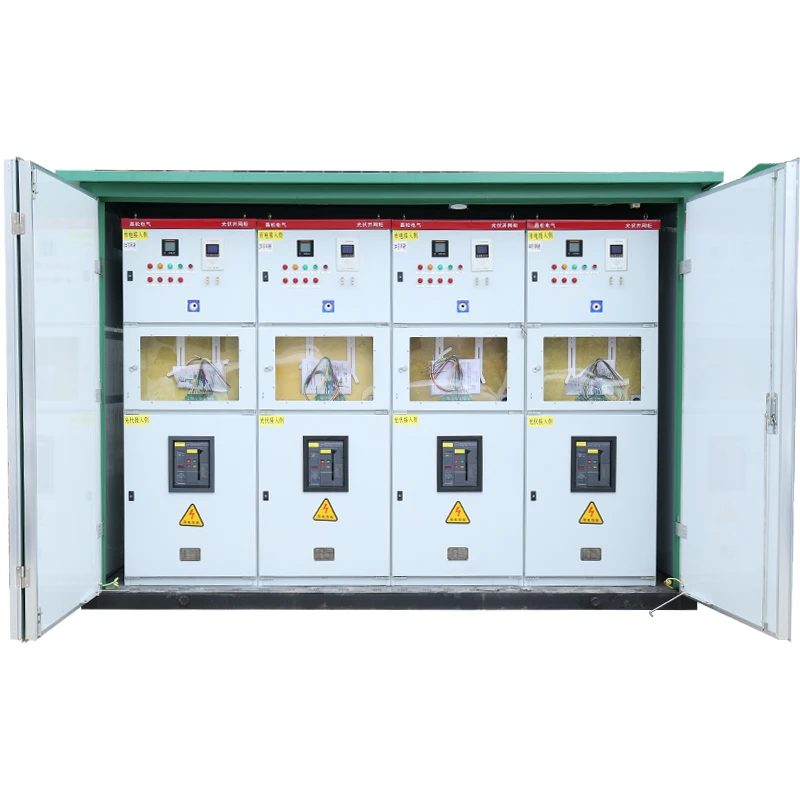

The response time of a breaker to overcurrent refers to how quickly it can detect the overcurrent and trip (open the circuit) to stop the flow of electricity. This is typically measured in milliseconds (ms) or microseconds (μs), depending on the type and design of the breaker.
There are different types of 125 amp DC breakers, and each has its own characteristic response time. For example, thermal-magnetic breakers are quite common. The thermal part of these breakers is like a little heat sensor. When the current starts to rise steadily over time, the heat generated by the current causes a bimetallic strip inside the breaker to bend. Once it bends enough, it triggers the breaker to trip. This thermal action is relatively slow, and it can take anywhere from a few seconds to a minute or more for the breaker to trip if the overcurrent is only slightly above the rated value.
On the other hand, the magnetic part of the thermal-magnetic breaker is designed to respond very quickly to large, sudden increases in current, like those caused by a short circuit. Within milliseconds, the magnetic field generated by the high current can activate a solenoid or an armature inside the breaker, which then causes it to trip. This magnetic response time can be as fast as a few milliseconds, providing rapid protection against short circuits.
There are also electronic breakers, which use electronic sensors and circuits to detect overcurrent. These breakers can be extremely fast, with response times in the microsecond range. They can accurately measure the current and make decisions based on pre - set parameters. This makes them ideal for applications where very fast protection is required, such as in high - power DC systems.
Now, why does the response time matter so much? In an electrical system, every moment counts when an overcurrent occurs. The faster the breaker can trip, the less damage will be done to the circuit components. For example, in a solar power system [check out our Pv DC Combiner Box 4in 1out which often uses 125 amp DC breakers], a short circuit in the PV panels can cause a huge surge of current. If the breaker doesn't trip quickly enough, it can damage the panels, the wiring, and other connected equipment.
Our 125 amp DC breakers are designed to offer a great balance between fast response times and reliability. We've invested a lot of time and effort in research and development to ensure that our breakers can handle different types of overcurrent situations efficiently. Whether it's a slow, steady overcurrent or a sudden short - circuit, our breakers are up to the task.
Let's talk about some real - world applications. In a high - power charging station for electric vehicles, 125 amp DC breakers play a vital role. These stations deal with high currents, and any overcurrent situation can pose a serious risk. Our breakers are able to quickly detect any abnormal current increases, whether it's due to a fault in the charging equipment or a problem with the vehicle's battery system. By tripping fast, they prevent potential damage to the costly charging infrastructure and ensure the safety of the users.
Another application is in industrial DC power supplies. Many industrial processes rely on stable DC power, and an overcurrent can disrupt these processes and cause significant downtime. Our 125 amp DC breakers with their quick response times help to keep these systems running smoothly. They protect the power supply units, motors, and other equipment from the harmful effects of overcurrent.
If you're in the market for high - performance DC breakers, you might also be interested in our High - performance Grid - connected Cabinet. It's designed to work seamlessly with our 125 amp DC breakers and provides additional protection and control for your electrical systems.
We also have the MicroBreak Midget, which is a great option for applications where space is limited but you still need reliable circuit protection. While it's more suited for AC applications, it showcases our commitment to providing high - quality electrical protection products.
In conclusion, the response time of a 125 amp DC breaker to overcurrent is a key factor in ensuring the safety and reliability of electrical systems. Our breakers are engineered to offer fast and accurate protection, whether it's against short - circuits or overloading situations.
If you're looking for top - notch 125 amp DC breakers for your project, we'd love to talk to you. Feel free to get in touch with us to discuss your specific requirements and to find out how our products can meet your needs. We're here to provide you with the best solutions and support.
References:
- Electrical Engineering Handbook, McGraw - Hill
- IEEE Standards on Circuit Breakers
- National Electrical Code (NEC) Guidelines


