

As a dedicated supplier of combiner box AC, understanding the power consumption of these crucial components is essential for both our company and our customers. In this blog, we will delve into the intricacies of the power consumption of combiner box AC, exploring the factors that influence it, how to measure it, and its implications for various applications.
Understanding Combiner Box AC
Before we dive into power consumption, let's briefly understand what a combiner box AC is. A combiner box AC is a key component in electrical systems, especially in renewable energy setups such as solar power plants. Its primary function is to combine multiple AC inputs from various sources, such as inverters, and output a single, unified AC power stream. This simplifies the connection to the grid or other electrical loads, enhancing the efficiency and reliability of the power distribution system.
Factors Influencing Power Consumption
Several factors contribute to the power consumption of a combiner box AC. These factors can vary depending on the design, specifications, and operating conditions of the combiner box.
Internal Resistance
One of the primary factors affecting power consumption is the internal resistance of the combiner box. When current flows through the conductors and components inside the box, some energy is dissipated as heat due to the resistance. This is known as resistive losses, and it is directly proportional to the square of the current and the resistance value. Higher current levels and greater internal resistance will result in increased power consumption.
Component Efficiency
The efficiency of the components used in the combiner box, such as circuit breakers, fuses, and switches, also plays a significant role in power consumption. Inefficient components may consume more power to perform their functions, leading to higher overall energy losses. For example, a low - efficiency circuit breaker may require more energy to trip in case of an overcurrent event, which adds to the power consumption of the combiner box.
Operating Conditions
The operating conditions of the combiner box, including temperature, humidity, and load levels, can impact power consumption. High temperatures can increase the resistance of conductors, leading to higher resistive losses. Similarly, heavy loads can cause the components to work harder, resulting in increased power consumption. Humidity can also affect the performance of electrical components, potentially leading to higher energy losses.
Measuring Power Consumption
Accurately measuring the power consumption of a combiner box AC is crucial for evaluating its efficiency and identifying areas for improvement. There are several methods available for measuring power consumption.
Power Meters
Power meters are commonly used to measure the electrical power consumed by a device or system. These meters can be installed at the input or output of the combiner box to measure the active power (in watts), reactive power (in volt - amperes reactive), and apparent power (in volt - amperes). By comparing the input and output power measurements, the power losses in the combiner box can be calculated.
Energy Monitoring Systems
Energy monitoring systems provide a more comprehensive view of the power consumption of a combiner box over time. These systems can record power consumption data at regular intervals, allowing for analysis of trends and patterns. They can also provide insights into the impact of different operating conditions on power consumption, helping to optimize the performance of the combiner box.
Implications for Different Applications
The power consumption of a combiner box AC has different implications for various applications.
Renewable Energy Systems
In renewable energy systems, such as solar and wind power plants, minimizing power consumption in the combiner box is crucial for maximizing the overall efficiency of the system. Lower power losses mean more energy can be delivered to the grid or stored for later use. This is especially important in large - scale renewable energy projects, where even small improvements in efficiency can result in significant cost savings over the long term.
Industrial Applications
In industrial settings, combiner boxes are used to distribute power to various equipment and machinery. High power consumption in these boxes can lead to increased energy costs and reduced productivity. By optimizing the power consumption of the combiner box, industrial facilities can lower their energy bills and improve the reliability of their electrical systems.
Related Products and Their Impact
There are several related products that can be used in conjunction with combiner box AC, and they can also have an impact on overall power consumption.
Dual Power Supply Automatic Transfer Switch
A Dual Power Supply Automatic Transfer Switch can be used to ensure continuous power supply in case of a power outage. However, the operation of this switch also consumes some power. When selecting a transfer switch, it is important to choose a model with high efficiency to minimize the additional power consumption.
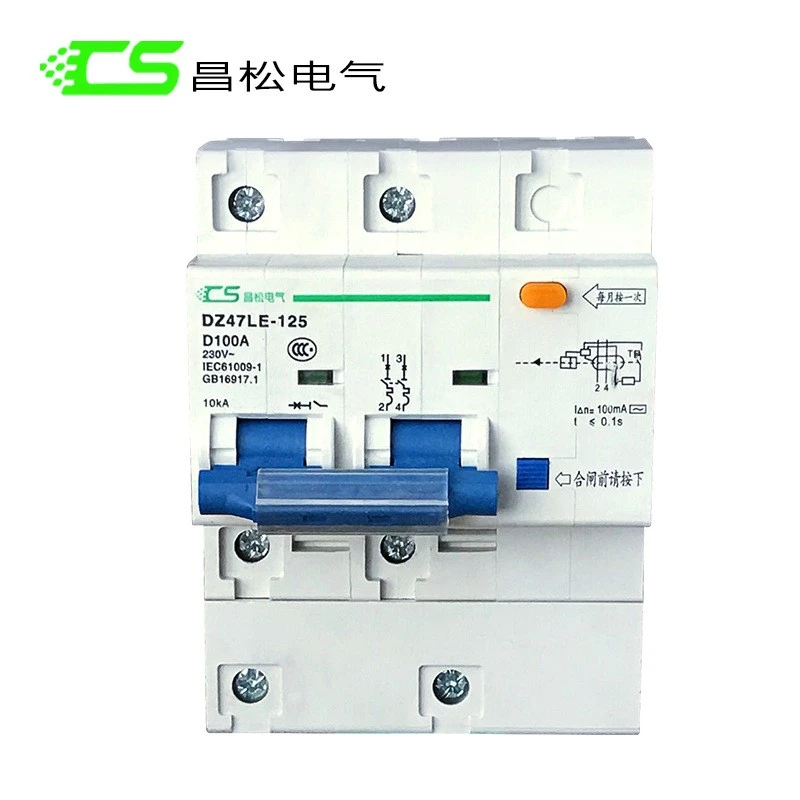

Combined Residual Current And Overcurrent Protection Device
A Combined Residual Current And Overcurrent Protection Device is an important safety component in a combiner box. It protects against electrical faults such as short circuits and ground faults. While these devices are essential for safety, their power consumption should also be considered. Opting for a device with low standby power consumption can help reduce the overall energy losses in the combiner box.
400KW High And Low Voltage Grid - connected Cabinet
The 400KW High And Low Voltage Grid - connected Cabinet is often used in large - scale power distribution systems. The power consumption of this cabinet, along with the combiner box, can have a significant impact on the overall efficiency of the grid - connected system. Ensuring that both the cabinet and the combiner box are designed for high efficiency is crucial for minimizing energy losses.
Reducing Power Consumption
As a supplier of combiner box AC, we are committed to helping our customers reduce the power consumption of their electrical systems. Here are some strategies for reducing power consumption in combiner boxes.
Use of High - Efficiency Components
Selecting high - efficiency components, such as low - resistance conductors, high - efficiency circuit breakers, and energy - saving switches, can significantly reduce power consumption. These components are designed to minimize energy losses and operate more efficiently, resulting in lower overall power consumption.
Proper Sizing and Design
Proper sizing and design of the combiner box are essential for reducing power consumption. Ensuring that the box is sized correctly for the expected load levels can prevent overloading and reduce resistive losses. Additionally, a well - designed box layout can minimize the length of conductors, further reducing resistance and power consumption.
Regular Maintenance
Regular maintenance of the combiner box is crucial for ensuring its optimal performance. This includes checking for loose connections, cleaning components, and replacing worn - out parts. By keeping the box in good condition, the risk of increased power consumption due to faulty components or poor connections can be minimized.
Conclusion
Understanding the power consumption of a combiner box AC is essential for optimizing the efficiency of electrical systems. By considering the factors that influence power consumption, accurately measuring it, and implementing strategies to reduce it, we can help our customers achieve significant energy savings and improve the reliability of their power distribution systems.
If you are interested in learning more about our combiner box AC products or discussing your specific requirements, we invite you to contact us for a procurement discussion. Our team of experts is ready to assist you in finding the most suitable solutions for your needs.
References
- IEEE Standards for Electrical Power Systems.
- International Electrotechnical Commission (IEC) Publications on Electrical Equipment Efficiency.
- Manufacturer's Specifications for Combiner Box AC and Related Components.


