

The output voltage of a PV AC combiner box is a crucial parameter that significantly impacts the performance and efficiency of a photovoltaic (PV) power generation system. As a reputable PV AC combiner box supplier, I am often asked about this aspect. In this blog, I will delve into the details of the output voltage of a PV AC combiner box, exploring its influencing factors, standard values, and importance in the overall PV system.
Understanding the PV AC Combiner Box
A PV AC combiner box is an essential component in a PV power generation system. Its primary function is to combine the AC power output from multiple inverters and then transmit it to the grid or other power - consuming equipment. It provides protection, monitoring, and control functions for the power output, ensuring the safe and stable operation of the PV system.
Factors Affecting the Output Voltage of a PV AC Combiner Box
- Inverter Output Voltage: The inverters in a PV system convert the DC power generated by solar panels into AC power. The output voltage of the inverters is a fundamental factor determining the input voltage of the PV AC combiner box. Different types of inverters have different output voltage specifications. For example, some common residential inverters may have an output voltage of 230V or 240V, while commercial - scale inverters can have output voltages of 400V or higher. The PV AC combiner box combines these inverter outputs, and its output voltage is closely related to the inverter output voltage.
- Grid Requirements: The grid to which the PV system is connected has specific voltage requirements. In most regions, the grid voltage has a standard range. For instance, in Europe, the standard grid voltage is 230V (±10%), and in the United States, it is 120/240V. The output voltage of the PV AC combiner box needs to be adjusted to match the grid voltage requirements. This ensures that the power generated by the PV system can be smoothly integrated into the grid without causing voltage fluctuations or other power - quality issues.
- Cable Losses: The cables used to connect the inverters to the PV AC combiner box and from the combiner box to the grid can cause voltage drops. The longer the cable length and the higher the current flowing through the cable, the greater the voltage drop. When calculating the output voltage of the PV AC combiner box, cable losses need to be taken into account. To minimize cable losses, appropriate cable cross - sectional areas should be selected based on the current capacity and the distance of the cable run.
Standard Output Voltages
The output voltage of a PV AC combiner box typically follows the standard grid voltages in different regions. Here are some common standard output voltages:
- Single - Phase Systems: In residential and small - scale commercial PV systems, single - phase power is often used. The output voltage of the PV AC combiner box in these systems is usually 230V or 240V, depending on the local grid standard. For example, in many European countries, the single - phase grid voltage is 230V, so the PV AC combiner box for single - phase systems in these regions will have an output voltage close to 230V.
- Three - Phase Systems: Larger commercial and utility - scale PV systems often use three - phase power. Common three - phase output voltages include 400V, 480V, and 690V. In Europe, 400V is a widely used three - phase grid voltage, while in North America, 480V is more common in industrial and commercial applications. The PV AC combiner box for three - phase systems will be designed to output these standard three - phase voltages.
Importance of the Correct Output Voltage
- Power Quality: Maintaining the correct output voltage is essential for ensuring good power quality. If the output voltage is too high or too low, it can cause problems such as overheating of electrical equipment, reduced efficiency of appliances, and even damage to sensitive electronic devices. A PV AC combiner box with the correct output voltage helps to provide stable and high - quality power to the grid or end - users.
- Grid Connection: As mentioned earlier, the output voltage of the PV AC combiner box must match the grid voltage requirements for successful grid connection. Failure to meet the grid voltage standards can result in the PV system being unable to connect to the grid or being disconnected during operation, which will affect the power generation and economic benefits of the PV project.
- System Efficiency: The efficiency of a PV system is also related to the output voltage of the PV AC combiner box. When the output voltage is optimized, the power transmission losses in the system are reduced, and the overall efficiency of the PV system is improved. This means that more of the solar energy converted into electrical energy can be effectively utilized.
Our PV AC Combiner Boxes
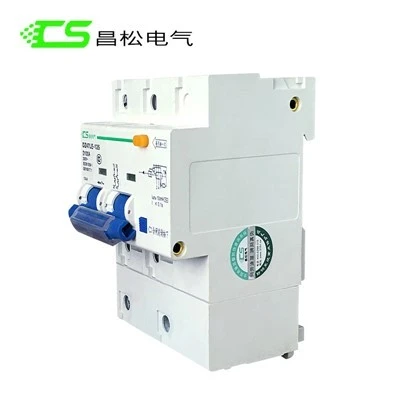
As a PV AC combiner box supplier, we offer a wide range of products with different output voltage options to meet the diverse needs of our customers. Our combiner boxes are designed with high - quality components, such as the 63 Amp Mccb and Rcbo Circuit Breaker, which provide reliable protection for the PV system. We also ensure that our combiner boxes are compatible with various types of inverters and can be easily integrated into different PV system configurations.
Our Photovoltaic Grid - connected Distribution Box is a key product in our portfolio. It is designed to handle high - power PV systems and has excellent performance in terms of voltage regulation and power distribution. We have a professional R & D team that continuously improves the design and performance of our products to adapt to the latest industry requirements and technological developments.

Conclusion
The output voltage of a PV AC combiner box is a critical parameter that is influenced by inverter output voltage, grid requirements, and cable losses. Maintaining the correct output voltage is crucial for power quality, grid connection, and system efficiency. As a PV AC combiner box supplier, we are committed to providing high - quality products with accurate output voltage specifications to ensure the reliable and efficient operation of PV systems.
If you are interested in our PV AC combiner boxes or have any questions about the output voltage and other technical aspects, please feel free to contact us for further discussions and procurement negotiations. We look forward to working with you to build more efficient and sustainable PV power generation systems.
References
- International Electrotechnical Commission (IEC) standards on PV systems and grid connection.
- Local grid codes and regulations related to PV system interconnection.
- Technical literature from inverter manufacturers.


