

An AC Molded Case Circuit Breaker (AC MCCB) is a crucial component in electrical systems, providing protection against overloads, short circuits, and other electrical faults. As a leading AC MCCB supplier, we understand the importance of proper maintenance to ensure the reliable and safe operation of these devices. In this blog post, we will explore the maintenance requirements of an AC MCCB and provide some practical tips to help you keep your electrical systems in top condition.
Understanding the Basics of an AC MCCB
Before delving into the maintenance requirements, it's essential to have a basic understanding of how an AC MCCB works. An AC MCCB is a type of circuit breaker that is designed to protect electrical circuits from damage caused by excessive current. It consists of a molded case, which encloses the internal components, and a set of contacts that open and close to interrupt the flow of current when a fault occurs.
The main functions of an AC MCCB include:
- Overload Protection: It detects and interrupts the circuit when the current exceeds the rated capacity for an extended period, preventing overheating and damage to the electrical equipment.
- Short Circuit Protection: It quickly interrupts the circuit when a short circuit occurs, protecting the system from severe damage and potential fire hazards.
- Ground Fault Protection: Some AC MCCBs are equipped with ground fault protection, which detects and interrupts the circuit when a ground fault is detected, reducing the risk of electric shock.
Regular Visual Inspections
One of the most basic and important maintenance tasks for an AC MCCB is regular visual inspections. These inspections should be carried out at least once a year, or more frequently in harsh or demanding environments. During a visual inspection, you should look for the following signs of damage or wear:
- Physical Damage: Check the molded case for cracks, dents, or other signs of physical damage. Any damage to the case can compromise the integrity of the circuit breaker and increase the risk of electrical hazards.
- Corrosion: Look for signs of corrosion on the contacts, terminals, and other metal parts. Corrosion can increase the resistance of the electrical connections, leading to overheating and potential failure.
- Loose Connections: Check the terminals and connections for tightness. Loose connections can cause arcing, overheating, and premature failure of the circuit breaker.
- Contamination: Look for dirt, dust, or other contaminants on the surface of the circuit breaker. Contamination can affect the performance of the contacts and increase the risk of electrical faults.
If you notice any signs of damage or wear during a visual inspection, you should immediately replace the circuit breaker or have it repaired by a qualified electrician.
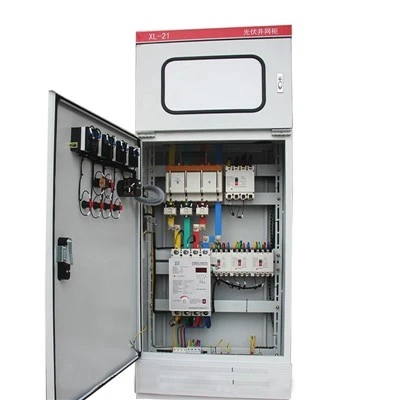

Testing the Circuit Breaker
In addition to regular visual inspections, it's also important to test the AC MCCB periodically to ensure that it is functioning properly. There are several types of tests that can be performed on an AC MCCB, including:
- Trip Testing: This test involves simulating an overload or short circuit condition to verify that the circuit breaker trips at the appropriate time. Trip testing should be performed at least once a year, or more frequently in critical applications.
- Insulation Resistance Testing: This test measures the insulation resistance of the circuit breaker to ensure that it is providing adequate electrical isolation. Insulation resistance testing should be performed at least once a year, or more frequently in harsh or demanding environments.
- Contact Resistance Testing: This test measures the resistance of the contacts to ensure that they are making good electrical contact. Contact resistance testing should be performed at least once a year, or more frequently in high-current applications.
It's important to note that testing an AC MCCB requires specialized equipment and expertise. Therefore, it's recommended that you have the testing performed by a qualified electrician or a professional testing laboratory.
Cleaning and Lubrication
Regular cleaning and lubrication can help to extend the life of an AC MCCB and ensure its reliable operation. Here are some tips for cleaning and lubricating an AC MCCB:
- Cleaning: Use a clean, dry cloth to wipe the surface of the circuit breaker and remove any dirt, dust, or other contaminants. Avoid using abrasive cleaners or solvents, as these can damage the molded case and the internal components.
- Lubrication: Some AC MCCBs require lubrication of the moving parts to ensure smooth operation. Refer to the manufacturer's instructions for the recommended lubricant and the proper lubrication procedure.
Storage and Handling
Proper storage and handling of an AC MCCB are also important to ensure its performance and reliability. Here are some tips for storing and handling an AC MCCB:
- Storage: Store the circuit breaker in a clean, dry, and well-ventilated area. Avoid storing the circuit breaker in direct sunlight or in an environment with high humidity or temperature.
- Handling: When handling the circuit breaker, be careful not to drop or damage it. Avoid touching the contacts or the internal components, as this can cause contamination or damage.
Replacement of Worn or Damaged Parts
Over time, some parts of an AC MCCB may wear out or become damaged. It's important to replace these parts promptly to ensure the continued reliable operation of the circuit breaker. Here are some common parts that may need to be replaced:
- Contacts: The contacts are the most critical part of an AC MCCB, as they are responsible for making and breaking the electrical connection. Over time, the contacts may wear out or become pitted, which can affect the performance of the circuit breaker. If the contacts are worn or damaged, they should be replaced immediately.
- Tripping Mechanism: The tripping mechanism is responsible for detecting and interrupting the circuit when a fault occurs. If the tripping mechanism is not functioning properly, the circuit breaker may not trip when it should, which can lead to serious electrical hazards. If the tripping mechanism is worn or damaged, it should be replaced immediately.
- Molded Case: The molded case provides protection for the internal components of the circuit breaker. If the molded case is cracked or damaged, it should be replaced to ensure the integrity of the circuit breaker.
Conclusion
Proper maintenance of an AC MCCB is essential to ensure its reliable and safe operation. By following the maintenance requirements outlined in this blog post, you can extend the life of your AC MCCB, reduce the risk of electrical hazards, and ensure the continued performance of your electrical systems.
As a leading AC MCCB supplier, we offer a wide range of high-quality circuit breakers, including the MicroTrix Matrix, Surge Blockers, and Pv Grid-Connected Cabinet. Our products are designed to meet the highest standards of quality and performance, and we provide comprehensive technical support and after-sales service to ensure your satisfaction.
If you have any questions or need more information about our AC MCCB products or maintenance services, please contact us today. We look forward to working with you to meet your electrical protection needs.
References
- Electrical Safety Foundation International. (n.d.). Circuit Breakers. Retrieved from https://www.esfi.org/safety-education/electrical-safety-topics/circuit-breakers
- National Fire Protection Association. (2017). National Electrical Code (NEC) - NFPA 70. Quincy, MA: NFPA.
- Schneider Electric. (n.d.). Circuit Breaker Maintenance Guide. Retrieved from https://www.se.com/us/en/download/document/SPD300001EN/


