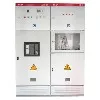
Hey there! As a supplier of breakers circuits, I've seen firsthand the impact that power surges can have on these crucial electrical components. In this blog, I'm gonna break down what power surges are, how they affect breakers circuits, and why it's so important to understand these dynamics.
First off, let's talk about what a power surge actually is. A power surge is a sudden increase in voltage that can last for a very short period of time, usually just a fraction of a second. These surges can be caused by a variety of factors, such as lightning strikes, problems with the power grid, or the sudden switching on or off of large electrical appliances.
Now, you might be wondering, "Why should I care about power surges?" Well, the thing is, power surges can cause a lot of damage to your electrical system, and breakers circuits are no exception. When a power surge occurs, the excess voltage can overload the breaker circuit, causing it to trip. This is actually a good thing in some ways, because it's the breaker's way of protecting the rest of the electrical system from damage. But if the power surges are frequent or severe enough, they can cause long - term damage to the breaker itself.
One of the main ways that power surges affect breakers circuits is by causing overheating. When the voltage spikes, the current flowing through the breaker also increases. This increased current generates more heat, and if the breaker isn't designed to handle the extra heat, it can start to break down. Over time, this can lead to the degradation of the breaker's internal components, such as the contacts and the trip mechanism.
Another issue is that power surges can cause mechanical stress on the breaker. The sudden increase in current can cause the internal parts of the breaker to move or vibrate more than normal. This repeated stress can lead to wear and tear, which can eventually cause the breaker to fail. For example, the contacts inside the breaker might start to pit or corrode, which can lead to poor electrical connections and further overheating.
Let's take a look at some of the different types of breakers and how they respond to power surges. One common type is the Miniature Circuit Breaker (MCB). MCBs are designed to protect small electrical circuits, like those in your home. They're relatively inexpensive and easy to install, but they might not be as effective at handling large power surges. When a power surge hits an MCB, it will usually trip quickly to protect the circuit. However, if the surges are too frequent, the MCB can become less reliable over time.
Then there's the Molded Case Circuit Breaker (MCCB). MCCBs are more robust than MCBs and are used in larger electrical systems, such as commercial buildings. They can handle higher currents and are better at withstanding power surges. But even MCCBs have their limits. For more detailed specifications about MCCBs, you can check out 630 Ampere MCCB Specifications.
Another important type is the Residual Current Circuit Breaker (RCCB), also known as a Leakage Circuit Breaker. These breakers are designed to detect and protect against electrical leakage. When combined with over - current protection, you get a Leakage Circuit Breaker With Overcurrent Function. Power surges can interfere with the sensitive detection mechanisms of these breakers, causing false trips or even preventing them from functioning properly when a real fault occurs.
Outdoor electrical systems also face unique challenges. For instance, outdoor box - type substations are exposed to the elements, which increases the risk of power surges from lightning strikes. These Outdoor Box - type Substation rely on breakers circuits to protect the equipment inside. Power surges in these environments can be particularly damaging, as the breakers have to withstand not only the electrical stress but also environmental factors like moisture and temperature variations.


So, what can you do to protect your breakers circuits from power surges? One option is to install surge protectors. Surge protectors are devices that are designed to divert the excess voltage from a power surge away from your electrical system. They can be installed at the main electrical panel or at individual outlets.
Another important step is to choose the right breaker for your needs. Make sure that the breaker you select is rated to handle the normal load of your electrical circuit, as well as any potential power surges. And don't forget to have your electrical system regularly inspected by a qualified electrician. They can check for signs of damage to your breakers and other components and make any necessary repairs or replacements.
As a breakers circuit supplier, I know how important it is to have reliable breakers in place. Whether you're building a new home, renovating a commercial space, or maintaining an existing electrical system, having the right breakers can save you a lot of headaches in the long run. If you're in the market for breakers circuits or have any questions about how to protect them from power surges, I'd love to have a chat with you. Feel free to reach out to me, and we can discuss your specific needs and find the best solutions for you.
In conclusion, power surges can have a significant impact on breakers circuits. They can cause overheating, mechanical stress, and long - term damage to the breaker's components. By understanding how power surges work and taking the necessary precautions, you can ensure that your breakers circuits remain in good working condition and provide reliable protection for your electrical system.
References
- Electrical Engineering textbooks on circuit protection and power systems
- Manufacturer's guides for different types of breakers circuits