

Hey there! As a supplier of AC combiner boxes, I often get asked about what these nifty devices actually do. So, let's dive right in and break down the functions of an AC combiner box.
1. Combining Multiple AC Inputs
One of the primary functions of an AC combiner box is to combine multiple alternating current (AC) inputs into a single output. In a solar power system, for example, you might have several inverters producing AC power. Each inverter has its own output, but you usually want to feed all that power into a single electrical grid or a larger electrical system. That's where the AC combiner box comes in.
Think of it like a traffic junction for electricity. Instead of having multiple wires running everywhere, the AC combiner box neatly gathers all these separate AC streams and channels them into one main pathway. This simplifies the wiring and makes it easier to manage the power flow. It also reduces the number of connections that need to be made at the point of connection to the grid or other electrical equipment, which can save time and reduce the risk of wiring errors.
2. Circuit Protection
Another crucial function of an AC combiner box is circuit protection. Inside the box, you'll typically find fuses or circuit breakers. These safety devices are designed to protect the electrical system from overcurrent situations.
Let's say there's a sudden surge in current due to a fault in one of the inverters or a short - circuit in the wiring. Without proper protection, this excess current could damage the equipment, cause a fire, or even pose a safety hazard to people. The fuses or circuit breakers in the AC combiner box act as a safeguard. When the current exceeds a certain safe level, the fuse will blow or the circuit breaker will trip, cutting off the power flow and preventing further damage.
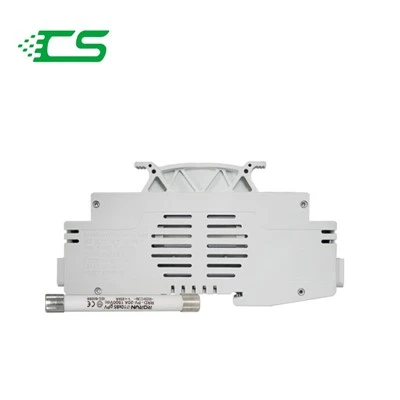
For instance, our AC combiner boxes are often equipped with 30 Amp Buss Fuse. These fuses are reliable and can handle the typical current loads in most solar power systems. They're designed to quickly interrupt the circuit in case of an overcurrent event, ensuring the safety of the entire electrical setup.
3. Monitoring and Control
Many modern AC combiner boxes come with monitoring and control features. This allows operators to keep an eye on the performance of the electrical system and make adjustments as needed.
You can use sensors in the combiner box to measure parameters such as voltage, current, and power. This data can be transmitted to a central monitoring system, where it can be analyzed in real - time. By monitoring these values, you can detect any potential issues early on, such as a drop in power output from one of the inverters or an abnormal increase in current.
Some AC combiner boxes also have the ability to control the power flow. For example, they can be programmed to automatically switch between different power sources or adjust the output based on the demand. This level of control helps to optimize the efficiency of the electrical system and ensure that power is being used in the most effective way possible.

4. Isolation
Isolation is an important function of AC combiner boxes, especially in larger electrical systems. The combiner box can isolate different parts of the system from each other. This is useful in case of a fault in one part of the system. By isolating the faulty section, you can prevent the problem from spreading to other parts of the electrical network.
It also provides a level of safety for maintenance personnel. When working on one part of the system, they can isolate that section using the combiner box, ensuring that there is no live current in the area they are working on. This reduces the risk of electrical shock and other accidents.
5. Compatibility with Other Equipment
AC combiner boxes need to be compatible with other components in the electrical system. They are often designed to work seamlessly with inverters, transformers, and other power - related equipment.
For example, in a solar power system, the AC combiner box needs to be able to handle the output characteristics of the inverters. It should be able to accept the specific voltage and frequency levels produced by the inverters and combine them effectively. Additionally, it should be able to interface with other equipment such as Outdoor Box - type Substation. These substations are used to step up or step down the voltage of the combined AC power before it is fed into the grid.
6. Power Distribution
Once the AC power is combined, the combiner box is responsible for distributing it to the appropriate destinations. This could be to a local electrical load, such as a building's electrical system, or to the main power grid.
The combiner box ensures that the power is distributed evenly and efficiently. It can also be configured to prioritize certain loads or to distribute power based on specific rules. For example, in a commercial building with multiple electrical loads, the combiner box can be set up to first supply power to essential loads such as lighting and emergency systems, and then distribute the remaining power to non - essential loads like air - conditioning units.
7. Incorporating Dual Power Supply
In some applications, having a dual power supply is essential for reliability. Our AC combiner boxes can be integrated with Dual Power Supply Automatic Transfer Switch. This switch allows for seamless transfer between two power sources, such as a primary power source from the grid and a backup power source like a generator.
In the event of a power outage from the primary source, the dual - power switch in the combiner box will automatically detect the loss of power and switch to the backup source. This ensures that the electrical system remains operational without any significant interruption, which is crucial for critical applications like hospitals, data centers, and industrial facilities.
Why Choose Our AC Combiner Boxes?
We take pride in offering high - quality AC combiner boxes that are designed to meet the diverse needs of our customers. Our boxes are built with robust materials to withstand harsh environmental conditions, whether it's extreme heat, cold, or humidity. They are also rigorously tested to ensure reliable performance and compliance with industry standards.
If you're in the market for an AC combiner box, we'd love to talk to you. Our team of experts can help you choose the right product for your specific application and answer any questions you might have. Whether you're setting up a small residential solar power system or a large - scale commercial installation, we've got you covered. So, don't hesitate to reach out and start a conversation about your AC combiner box needs.
References
- Solar Power System Design and Installation Handbook
- Electrical Safety Standards and Guidelines
- Industry Reports on AC Combiner Box Technology


