

When it comes to electrical systems, one of the most critical components is the Miniature Circuit Breaker (MCB). As an AC MCB supplier, I often encounter inquiries about the differences between single - phase and three - phase AC MCBs. In this blog post, I will delve into the details of these two types of MCBs, exploring their characteristics, applications, and how they serve different electrical loads.
Basic Concepts of Single - Phase and Three - Phase Systems
Before understanding the differences in MCBs, it's essential to grasp the fundamentals of single - phase and three - phase electrical systems. A single - phase system is the most common type of electrical supply used in residential and small commercial settings. It consists of a single alternating current (AC) waveform, typically with a voltage of 120V or 230V, depending on the region. This system is suitable for powering small appliances, lighting, and other low - power devices.
On the other hand, a three - phase system is commonly used in industrial and large commercial applications. It comprises three AC waveforms that are 120 degrees out of phase with each other. Three - phase systems can deliver more power and are more efficient for high - power equipment such as motors, large machinery, and industrial heaters. The standard voltages for three - phase systems are 208V, 380V, or 480V, again varying by region.

Construction and Design Differences
One of the primary differences between single - phase and three - phase AC MCBs lies in their construction. A single - phase MCB is designed to protect a single electrical circuit. It has two terminals: one for the live wire and one for the neutral wire. The internal mechanism of a single - phase MCB is relatively simple, consisting of a bimetallic strip for over - current protection and an electromagnetic coil for short - circuit protection.
In contrast, a three - phase MCB is designed to protect three separate electrical circuits simultaneously. It has three or four terminals, depending on whether a neutral connection is required. The three - phase MCB has a more complex internal structure. It needs to monitor and protect each of the three phases independently, ensuring that all phases are balanced and protected against over - current and short - circuit faults.
Rating and Capacity
The rating and capacity of single - phase and three - phase AC MCBs also differ significantly. Single - phase MCBs are typically available in lower current ratings, usually ranging from 1A to 63A. These ratings are sufficient for most residential and small - scale commercial applications, where the power demand is relatively low.
Three - phase AC MCBs, however, are available in much higher current ratings, often starting from 16A and going up to several hundred amperes. The higher ratings are necessary to handle the large amount of power required by industrial and commercial equipment. When selecting an MCB, it's crucial to choose the right rating based on the load's power requirements. An under - rated MCB may trip frequently, causing disruptions to the electrical supply, while an over - rated MCB may not provide adequate protection in case of a fault.
Application Scenarios
Single - phase AC MCBs are mainly used in residential buildings, small offices, and light commercial establishments. They are suitable for protecting circuits that power lighting fixtures, household appliances like refrigerators, televisions, and air conditioners, and other low - power devices. For example, in a typical household, single - phase MCBs are used in distribution boards to protect individual circuits such as the lighting circuit, the socket circuit, and the kitchen circuit.
Three - phase AC MCBs are indispensable in industrial and large - scale commercial settings. They are used to protect high - power equipment such as three - phase motors, industrial furnaces, and large - capacity air - handling units. For instance, in a manufacturing plant, three - phase MCBs are installed in the main distribution board to protect the electrical circuits that supply power to the production machinery.
Protection Functionality
Both single - phase and three - phase AC MCBs provide over - current and short - circuit protection. However, the protection functionality of three - phase MCBs is more comprehensive. In a three - phase system, an imbalance in the currents between the phases can cause problems such as overheating and reduced efficiency of the equipment. Three - phase MCBs are designed to detect and respond to phase - imbalance faults, in addition to over - current and short - circuit conditions.
Single - phase MCBs, while providing reliable protection for single - phase circuits, do not have the ability to monitor phase imbalances since there is only one phase to consider. Their main focus is on protecting the single circuit from over - current and short - circuit faults.
Cost and Pricing
In general, single - phase AC MCBs are less expensive than three - phase AC MCBs. This is due to their simpler construction, lower current ratings, and the fact that they are used in less demanding applications. The cost of a single - phase MCB can range from a few dollars to tens of dollars, depending on the brand, quality, and rating.
Three - phase AC MCBs, with their more complex design and higher current ratings, are more costly. The price of a three - phase MCB can start from tens of dollars and go up to hundreds of dollars, especially for high - capacity models. When considering the cost, it's important to remember that the investment in a high - quality MCB is crucial for the safety and reliability of the electrical system.
Compatibility with Other Components
Single - phase and three - phase AC MCBs also have different compatibility requirements with other electrical components. Single - phase MCBs are commonly used in conjunction with single - phase meters, single - phase transformers, and other single - phase electrical equipment. They are designed to work seamlessly within a single - phase electrical system.
Three - phase AC MCBs need to be compatible with three - phase meters, three - phase transformers, and other three - phase components. When integrating a three - phase MCB into an electrical system, it's essential to ensure that all components are properly matched to avoid compatibility issues and ensure optimal performance.
Importance in Electrical Safety
Both single - phase and three - phase AC MCBs play a vital role in electrical safety. A single - phase MCB protects the electrical circuits in a home or small business from over - current and short - circuit faults, preventing electrical fires and damage to appliances. By tripping when a fault occurs, the single - phase MCB interrupts the electrical current, safeguarding the users and the property.
Three - phase AC MCBs are even more critical in industrial and commercial settings. They protect high - power equipment from damage and prevent electrical accidents that could endanger the lives of workers. A malfunctioning three - phase system can cause significant damage to machinery and disrupt industrial operations, making the proper functioning of three - phase MCBs essential.
Related Products and Their Applications
In addition to single - phase and three - phase AC MCBs, there are other related products that are important in electrical systems. For example, Dc Mcb For Solar is specifically designed for solar power systems. These DC MCBs are used to protect the DC circuits in solar panels, ensuring the safety and efficiency of solar energy generation.
Solar DC Link Protection Fuses are another crucial component in solar power systems. They provide additional protection for the DC links in solar arrays, preventing damage from over - current and short - circuit faults.
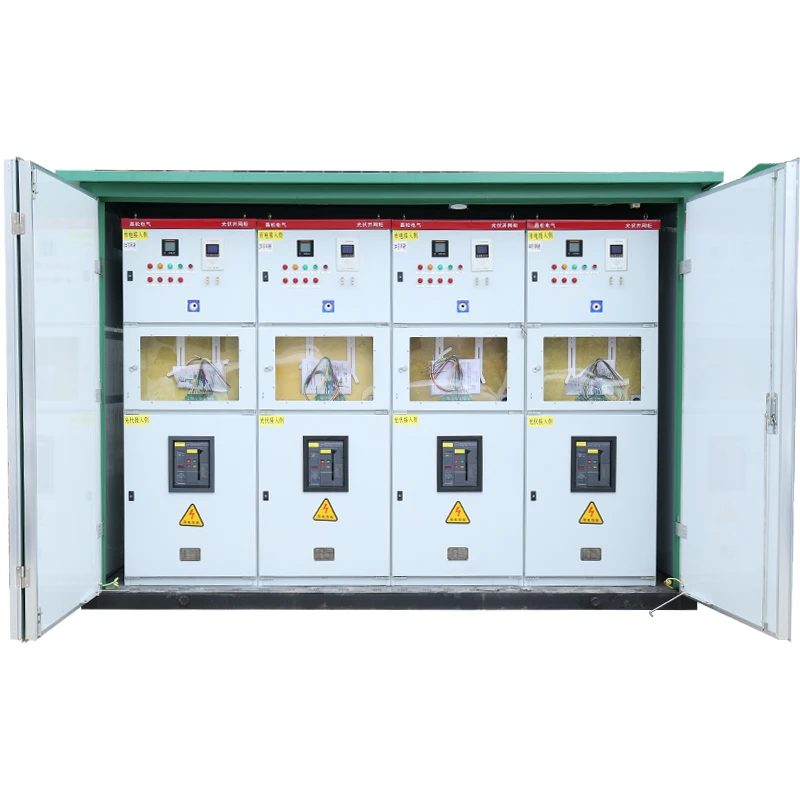
High - performance Grid - connected Cabinet is a comprehensive solution for grid - connected electrical systems. It integrates various components such as MCBs, meters, and protection devices, providing a reliable and efficient way to connect to the power grid.
Conclusion and Call to Action
In conclusion, single - phase and three - phase AC MCBs have distinct differences in construction, rating, application, and functionality. As an AC MCB supplier, I understand the importance of providing the right MCB for different electrical systems. Whether you are building a residential home, a small business, or an industrial facility, choosing the appropriate MCB is crucial for the safety and efficiency of your electrical system.
If you are in the market for single - phase or three - phase AC MCBs, or any of the related products mentioned above, I encourage you to contact us for a detailed discussion. Our team of experts can help you select the right products based on your specific requirements. We are committed to providing high - quality electrical components and excellent customer service. Let's work together to ensure the reliability and safety of your electrical systems.
References
- Electrical Installation Design Guide, IET (Institution of Engineering and Technology).
- National Electrical Code (NEC), NFPA (National Fire Protection Association).
- Handbook of Electrical Engineering, McGraw - Hill.


