

Hey there! As a supplier of 20A AC circuit breakers, I often get asked about the difference between fixed - trip and adjustable - trip 20A AC circuit breakers. So, I thought I'd write this blog to clear things up for all you folks out there who are looking to understand these two types of circuit breakers better.
Let's start with the basics. A circuit breaker is a crucial device in any electrical system. It's designed to protect the circuit from damage caused by overcurrent, such as short circuits or overloads. When the current flowing through the circuit exceeds a certain level, the circuit breaker trips and interrupts the flow of electricity, preventing potential fires or damage to electrical equipment.
Fixed - Trip 20A AC Circuit Breakers
A fixed - trip 20A AC circuit breaker has a pre - set trip current. In this case, the trip current is set at 20A. Once the current in the circuit reaches or exceeds 20A, the breaker will trip and cut off the power.
One of the main advantages of fixed - trip circuit breakers is their simplicity. They're easy to install and use because there's no need to adjust the trip current. You just install them in the circuit, and they'll do their job of protecting the circuit at the pre - set 20A level. This makes them a popular choice for many residential and small - scale commercial applications.
For example, in a typical household electrical system, fixed - trip 20A circuit breakers are often used to protect circuits that supply power to outlets in the living room, bedroom, or kitchen. These circuits usually have a relatively stable load, and a 20A fixed - trip breaker can effectively protect them from overcurrent situations.
Another benefit of fixed - trip breakers is their reliability. Since the trip current is fixed, there's less chance of human error in setting the wrong trip current. This means that they can provide consistent protection over time.
However, fixed - trip breakers also have some limitations. They're not very flexible. If you have a circuit where the load may vary significantly, a fixed - trip breaker may not be the best choice. For instance, in some industrial applications, the load on a circuit can change depending on the operation of different machines. A fixed - trip 20A breaker may trip too often if the load occasionally exceeds 20A, even if it's a normal part of the operation.
Adjustable - Trip 20A AC Circuit Breakers
On the other hand, adjustable - trip 20A AC circuit breakers allow you to set the trip current within a certain range around the 20A mark. This gives you more flexibility in protecting your circuits.
The main advantage of adjustable - trip breakers is their adaptability. You can adjust the trip current according to the specific requirements of the circuit. For example, if you have a circuit with a machine that has a high inrush current when it starts up, you can set the trip current of the adjustable - trip breaker slightly higher than 20A to prevent it from tripping during the startup phase. Once the machine is running normally, you can lower the trip current back to a more appropriate level.
This flexibility makes adjustable - trip breakers a great choice for industrial and commercial applications where the load on the circuits can vary widely. They can also be useful in some advanced residential applications, such as in a home with a large number of high - power appliances or a home automation system.
However, adjustable - trip breakers also have their drawbacks. They're more complex than fixed - trip breakers. Installing and setting up an adjustable - trip breaker requires more knowledge and skill. There's also a higher risk of human error in setting the trip current. If the trip current is set too high, the circuit may not be adequately protected in case of an overcurrent situation. If it's set too low, the breaker may trip unnecessarily, causing disruptions to the electrical supply.
Which One Should You Choose?
So, which type of 20A AC circuit breaker is right for you? Well, it depends on your specific needs.
If you have a simple electrical system with relatively stable loads, such as a typical residential home, a fixed - trip 20A AC circuit breaker is probably the way to go. It's easy to install, reliable, and will provide adequate protection for your circuits.
On the other hand, if you have a more complex electrical system with variable loads, such as an industrial or commercial facility, an adjustable - trip 20A AC circuit breaker may be a better choice. The flexibility it offers can help you optimize the protection of your circuits and reduce the number of unnecessary trips.
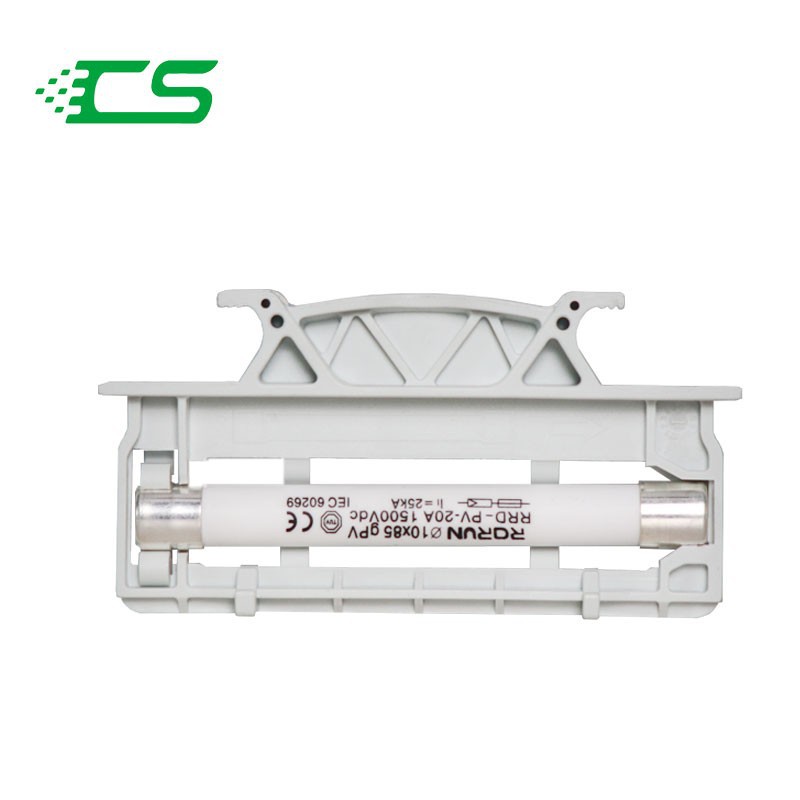
As a 20A AC circuit breaker supplier, I can offer both fixed - trip and adjustable - trip 20A AC circuit breakers to meet your different needs. And if you're also looking for other related electrical products, I'd like to introduce some of our other great products. Check out our Pv DC Combiner Box 4in 1out, RCBO Switch, and Photovoltaic Direct Current Fuses. These products are designed to work together to provide a comprehensive electrical protection solution for your system.
If you're interested in purchasing our 20A AC circuit breakers or any of our other products, feel free to reach out to us for a detailed discussion. We can help you choose the right products for your specific application and provide you with all the necessary technical support.

References
- Electrical Engineering Handbook, Third Edition
- National Electrical Code (NEC)
- IEEE Standards for Electrical Safety in the Workplace


