

What causes a circuit breaker to trip?
As a seasoned supplier in the circuit breaker industry, I've witnessed firsthand the diverse issues that can lead to a circuit breaker tripping. Understanding these causes is crucial for maintaining a safe and efficient electrical system. In this blog, I'll delve into the common factors that trigger circuit breaker trips and provide insights on how to address them.
Overloading
One of the most prevalent reasons for a circuit breaker to trip is overloading. This occurs when the electrical load on a circuit exceeds its rated capacity. Every circuit breaker is designed to handle a specific amount of current, measured in amperes (amps). When too many electrical devices are connected to a single circuit, the total current drawn can surpass this limit, causing the breaker to trip as a safety mechanism.
For instance, imagine a home kitchen with multiple appliances such as a refrigerator, microwave, toaster, and coffee maker all plugged into the same circuit. If these appliances are used simultaneously, the combined current draw may exceed the circuit's capacity, leading to a trip. To prevent overloading, it's essential to distribute electrical loads evenly across different circuits and avoid plugging too many high - wattage devices into a single outlet.
Short Circuits
A short circuit is another major culprit behind circuit breaker trips. It happens when a hot wire comes into direct contact with a neutral wire or a ground wire. This creates a low - resistance path for the current, allowing a large amount of current to flow through the circuit instantaneously. The sudden surge in current is detected by the circuit breaker, which quickly trips to prevent damage to the wiring and electrical equipment, as well as to avoid the risk of fire.
Short circuits can be caused by various factors, including damaged insulation on wires, loose connections, or faulty electrical appliances. For example, if a rodent chews through the insulation of a wire in a wall, it can expose the conductive parts and cause a short circuit. Regular inspection of electrical wiring and appliances can help identify and address potential short - circuit hazards.
Ground Faults
Ground faults occur when an electrical current escapes from the intended circuit and flows through an unintended path to the ground. This can happen when a hot wire comes into contact with a grounded object, such as a metal appliance casing or a water pipe. Similar to short circuits, ground faults result in an abnormal increase in current, which triggers the circuit breaker.
Ground fault circuit interrupters (GFCIs) are designed to detect ground faults and trip the circuit much faster than a standard circuit breaker. They are commonly used in areas where there is a higher risk of electrical shock, such as bathrooms, kitchens, and outdoor outlets. If a GFCI trips, it's important to investigate the cause, which could be a damaged appliance or faulty wiring.
Arc Faults
Arc faults are a less well - known but equally dangerous cause of circuit breaker trips. An arc fault occurs when an electrical arc forms between two conductors, such as in a damaged wire or a loose connection. Arcs can generate high temperatures and can potentially start a fire. Arc fault circuit interrupters (AFCIs) are designed to detect these dangerous arcs and trip the circuit to prevent fires.
AFCIs are typically installed in bedrooms, living rooms, and other areas where there is a risk of arc faults. They can detect both parallel arcs (between a hot and a neutral wire) and series arcs (within a single conductor). If an AFCI trips, it's advisable to have a qualified electrician inspect the circuit to identify and repair the source of the arc fault.
Voltage Spikes
Voltage spikes are sudden, brief increases in electrical voltage that can occur due to various reasons, such as lightning strikes, power grid fluctuations, or the operation of large electrical equipment. These spikes can cause damage to sensitive electronic devices and may also trigger a circuit breaker to trip.
To protect against voltage spikes, you can use a Voltage Spike Suppressor. This device is designed to divert excess voltage to the ground, preventing it from reaching your electrical equipment. Installing a voltage spike suppressor can help reduce the risk of circuit breaker trips caused by voltage spikes and protect your valuable electronics.
Aging and Wear
Over time, circuit breakers can wear out due to normal use. The internal components of a circuit breaker, such as the contacts and the trip mechanism, can degrade, leading to false trips or a failure to trip when necessary. If you notice that your circuit breaker is tripping frequently without an obvious cause, it may be a sign that the breaker is aging and needs to be replaced.
It's important to note that replacing a circuit breaker should be done by a qualified electrician to ensure proper installation and safety. Additionally, regular maintenance and inspection of your electrical system can help identify and address potential issues with aging circuit breakers before they cause significant problems.
Environmental Factors
Environmental conditions can also have an impact on circuit breaker performance. High temperatures can cause the internal components of a circuit breaker to expand, which may affect its operation. In extremely hot weather, the breaker may trip more easily, even if the electrical load is within the normal range.
On the other hand, moisture and humidity can damage the insulation of the wiring and the circuit breaker itself, increasing the risk of short circuits and ground faults. In areas prone to flooding or high humidity, it's important to take extra precautions to protect your electrical system, such as using waterproof enclosures for circuit breakers and ensuring proper ventilation.
Faulty Electrical Equipment
Faulty electrical appliances or equipment can draw excessive current or cause short circuits, leading to circuit breaker trips. For example, a malfunctioning motor in a refrigerator or a damaged heating element in a toaster can cause an abnormal increase in current. If you suspect that a particular appliance is causing the circuit breaker to trip, unplug it and have it repaired or replaced.
Incorrect Circuit Breaker Sizing
Using the wrong size of circuit breaker can also lead to problems. If a circuit breaker is too large for the circuit, it may not trip when there is an overloading or short - circuit condition, which can pose a serious safety risk. Conversely, if the breaker is too small, it may trip frequently even under normal operating conditions.
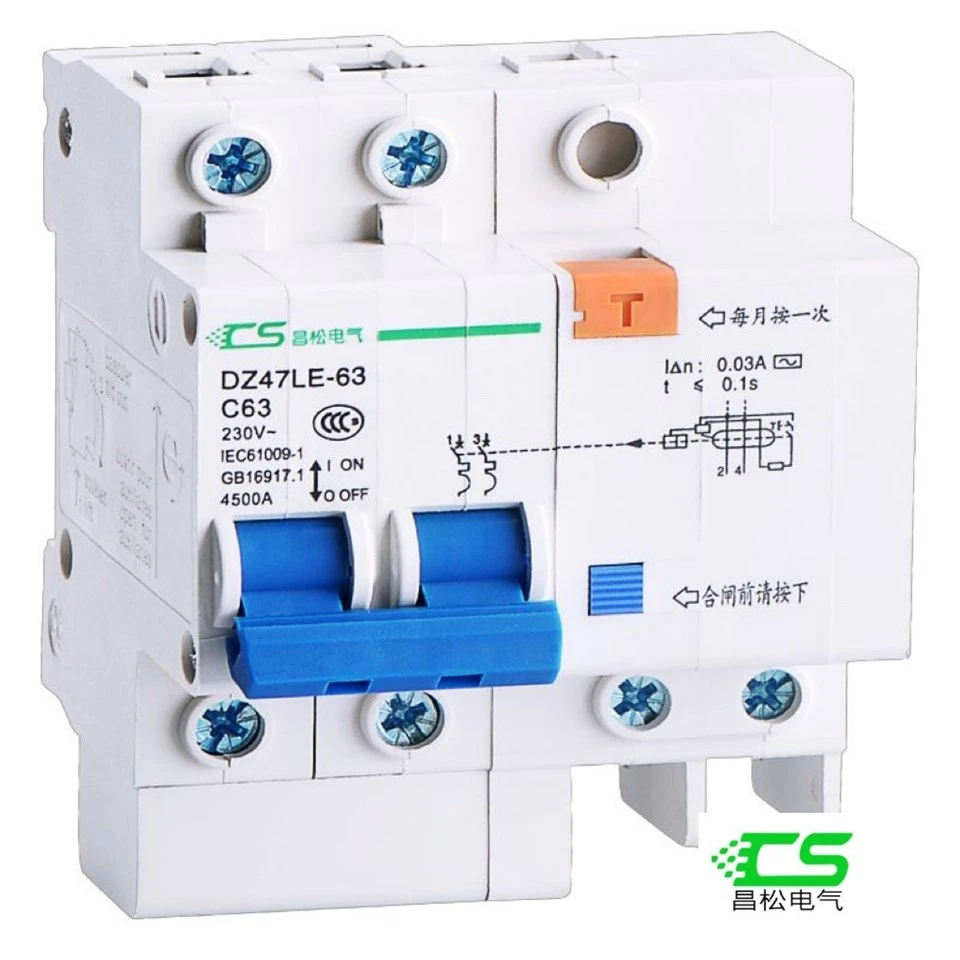
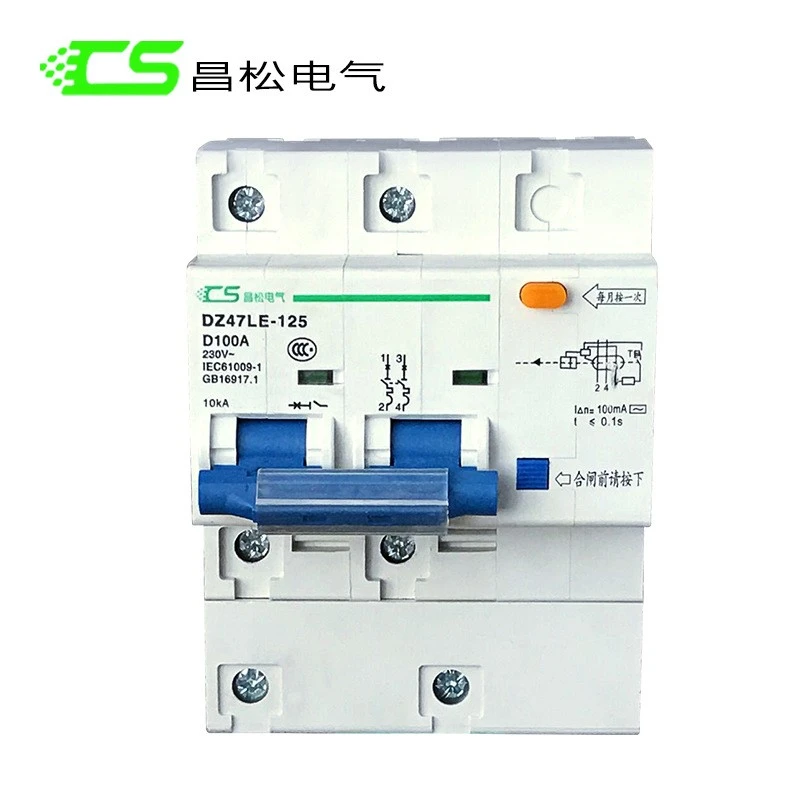
When installing or replacing a circuit breaker, it's crucial to ensure that it is the correct size for the circuit. This information can usually be found in the electrical code requirements or by consulting a qualified electrician.
Solutions and Preventive Measures
To minimize the occurrence of circuit breaker trips, here are some preventive measures you can take:
- Load Management: Distribute electrical loads evenly across different circuits and avoid overloading.
- Regular Inspections: Conduct regular inspections of your electrical wiring, appliances, and circuit breakers to identify and address potential issues.
- Use of Protective Devices: Install GFCIs, AFCIs, and Voltage Spike Suppressors to protect against ground faults, arc faults, and voltage spikes.
- Proper Installation: Ensure that all electrical installations are done by qualified electricians following the electrical code requirements.
- Upgrade Electrical System: If your electrical system is old or outdated, consider upgrading it to meet the current electrical demands and safety standards.
Conclusion
As a circuit breaker supplier, I understand the importance of a reliable electrical system. By understanding the various causes of circuit breaker trips and taking appropriate preventive measures, you can ensure the safety and efficiency of your electrical system. If you are experiencing frequent circuit breaker trips or need advice on choosing the right circuit breaker for your needs, don't hesitate to reach out to us. We have a wide range of high - quality circuit breakers and related products, such as the Modular Power Hub and Integrated Equipment Bay, to meet your specific requirements. Contact us today to start a procurement discussion and find the best solutions for your electrical needs.
References
- National Electrical Code (NEC)
- Underwriters Laboratories (UL) Standards
- Electrical Engineering Textbooks on Circuit Protection


