

Hey there! As a combiner box supplier, I've seen a lot of questions about the wiring differences between single - phase and three - phase combiner boxes. So, I thought I'd break it down for you in a simple and easy - to - understand way.
Let's start with the basics. A combiner box is an essential part of an electrical system, especially in solar power setups. It's used to combine multiple input circuits into a single output circuit, making it easier to manage and distribute power. Now, when it comes to single - phase and three - phase combiner boxes, the wiring is where the real differences lie.
Single - Phase Combiner Box Wiring
Single - phase power is what you'll typically find in most residential settings. It's a simple and straightforward electrical system that uses a single alternating current (AC) waveform. In a single - phase combiner box, the wiring is relatively uncomplicated.
The main components of a single - phase combiner box wiring include the input terminals, output terminals, and internal fuses or circuit breakers. The input terminals are where the individual circuits, like solar panels in a solar power system, are connected. Each input circuit is usually protected by a fuse or a circuit breaker to prevent overloading.
The wiring inside a single - phase combiner box is usually done in a parallel configuration. This means that all the input circuits are connected across the same voltage source. For example, if you have ten solar panels connected to a single - phase combiner box, each panel's positive and negative terminals are connected to the corresponding positive and negative input terminals in the combiner box.
The output of the single - phase combiner box is then connected to the main electrical load or the inverter in a solar power system. The wiring for the output is also pretty simple, as it just needs to carry the combined power from all the input circuits to the next stage of the electrical system.
One of the advantages of single - phase combiner box wiring is its simplicity. It's easy to install and maintain, which makes it a popular choice for small - scale applications. However, single - phase power has its limitations. It can only handle relatively low power loads, and it's not as efficient for large - scale industrial or commercial applications.
Three - Phase Combiner Box Wiring
Three - phase power, on the other hand, is commonly used in industrial and commercial settings. It consists of three AC waveforms that are 120 degrees out of phase with each other. This configuration allows for a more efficient and balanced distribution of power.
The wiring in a three - phase combiner box is more complex than that of a single - phase combiner box. There are three sets of input and output terminals, corresponding to the three phases of the power system. Each phase has its own set of input circuits, which are usually connected in a similar parallel configuration as in a single - phase combiner box.
However, the key difference is in how the phases are balanced. In a three - phase system, it's crucial to ensure that the load is evenly distributed across all three phases. This is done by carefully wiring the input circuits to the appropriate phase terminals. For example, in a solar power system with multiple strings of solar panels, the strings are divided among the three phases to balance the power output.
The output of a three - phase combiner box is also more complex. It usually requires a more robust wiring system to handle the higher power levels. The three - phase output is then connected to a three - phase load, like a large motor or a three - phase inverter in a solar power system.
One of the main advantages of three - phase power and its combiner box wiring is its efficiency. Three - phase systems can handle much higher power loads compared to single - phase systems. They also provide a more stable and balanced power supply, which is essential for many industrial and commercial applications.
Key Wiring Differences
Now that we've covered the basics of single - phase and three - phase combiner box wiring, let's look at the key differences between the two.
Number of Conductors
In a single - phase combiner box, you typically have two conductors: a hot wire and a neutral wire. The hot wire carries the current, while the neutral wire provides a return path for the current. In some cases, there may also be a ground wire for safety purposes.

In a three - phase combiner box, there are three hot wires and usually a neutral wire and a ground wire. The three hot wires carry the three different phases of the power, and the neutral wire provides a common return path. The ground wire is used for safety, just like in a single - phase system.
Voltage and Current
The voltage and current characteristics in single - phase and three - phase systems are also different. In a single - phase system, the voltage between the hot wire and the neutral wire is typically 120V or 240V, depending on the region. The current in a single - phase system is relatively low, which limits the power that can be delivered.
In a three - phase system, the voltage between any two hot wires is typically higher, such as 208V, 230V, or 480V. The current in a three - phase system can be much higher, allowing for the delivery of more power.
Wiring Complexity
As mentioned earlier, the wiring in a three - phase combiner box is more complex than in a single - phase combiner box. The need to balance the load across three phases requires more careful planning and wiring. There are also more components and connections in a three - phase combiner box, which can make installation and maintenance more challenging.
Applications and Considerations
The choice between a single - phase and a three - phase combiner box depends on the specific application. For small - scale residential solar power systems or small electrical loads, a single - phase combiner box is usually sufficient. It's cost - effective and easy to install.
However, for large - scale industrial or commercial solar power systems, or for applications that require high - power loads, a three - phase combiner box is the way to go. It provides the efficiency and power - handling capabilities needed for these types of applications.
When considering the wiring for a combiner box, it's also important to take into account factors like the distance between the combiner box and the load, the type of load, and the local electrical codes. These factors can affect the size and type of wiring required, as well as the overall safety and performance of the electrical system.
Related Equipment
If you're dealing with more complex electrical systems, you might also be interested in some related equipment. For example, the Integrated Equipment Bay can be a great addition to your setup. It provides a centralized location for various electrical components, making it easier to manage and maintain your system.
The High Voltage Preinstalled Substation is another useful piece of equipment, especially for large - scale power distribution. It can handle high - voltage power and distribute it safely and efficiently.
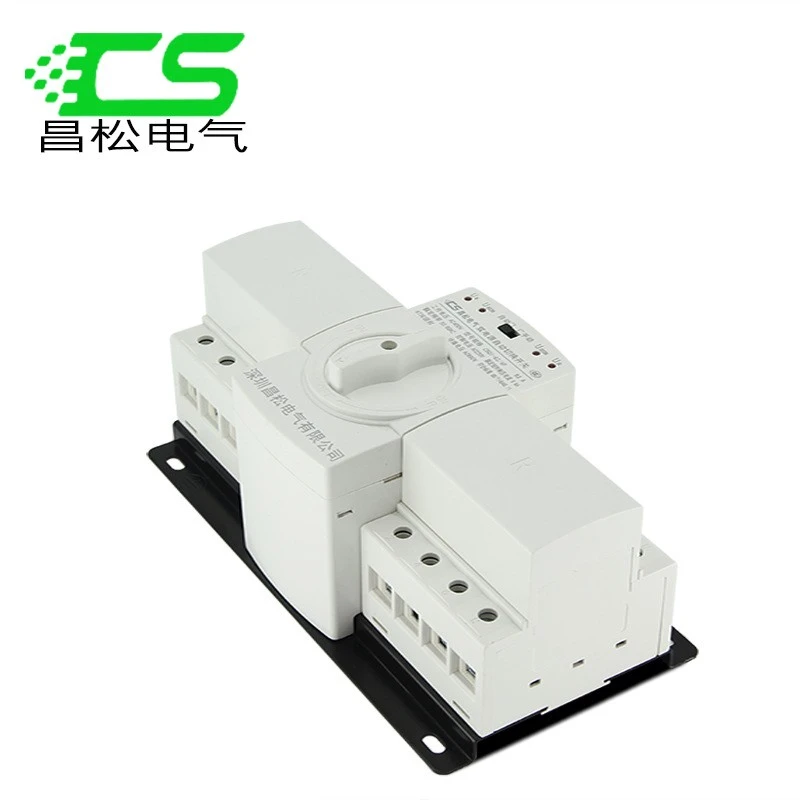
And if you need a reliable way to switch between power sources, the Dual Power Toggle is a great option. It allows for seamless switching between two power sources, ensuring continuous power supply.
Conclusion
In conclusion, the wiring differences between single - phase and three - phase combiner boxes are significant. Single - phase combiner boxes are simple and suitable for small - scale applications, while three - phase combiner boxes are more complex but offer higher power - handling capabilities for large - scale applications.
If you're in the market for a combiner box or need help with the wiring, don't hesitate to reach out. As a combiner box supplier, I have the expertise and experience to help you choose the right combiner box and ensure proper wiring for your specific needs. Whether it's a single - phase or three - phase system, I can provide you with high - quality products and reliable support.
References
- Electrical Installation Handbook, Schneider Electric
- Solar Power Systems Design and Installation Guide, NABCEP


