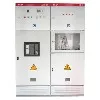
As a circuit breaker supplier, I've witnessed firsthand the diverse range of circuit breakers that play a crucial role in electrical systems. Circuit breakers are essential safety devices designed to protect electrical circuits from damage caused by overcurrent, short circuits, and other electrical faults. In this blog, I'll delve into the different types of circuit breakers available in the market, their features, and applications.
Miniature Circuit Breakers (MCBs)
Miniature Circuit Breakers, commonly known as MCBs, are widely used in residential, commercial, and industrial electrical installations. These compact and cost - effective devices are designed to protect low - current circuits. MCBs can be easily installed in distribution boards and are available in various ratings to suit different load requirements.
MCBs operate based on two main principles: thermal and magnetic. The thermal element responds to long - term overcurrents. When the current exceeds the rated value for an extended period, the bimetallic strip in the thermal element heats up and bends, tripping the breaker. The magnetic element, on the other hand, is designed to respond to short - circuit currents. High - magnitude short - circuit currents generate a strong magnetic field that causes the magnetic plunger to move and trip the breaker instantly.
MCBs are classified according to their tripping characteristics, such as B, C, D, and K curves. For example, a Type B MCB is suitable for resistive loads like lighting circuits, where the inrush current is relatively low. Type C MCBs are commonly used for inductive loads such as motors, as they can handle higher inrush currents. You can find more information about Circuit Breaker Mcb.
Molded Case Circuit Breakers (MCCBs)
Molded Case Circuit Breakers are larger and more robust than MCBs. They are used in medium - to high - current applications, typically ranging from a few hundred amperes to several thousand amperes. MCCBs are commonly found in industrial plants, commercial buildings, and large residential complexes.
MCCBs are enclosed in a molded case made of insulating materials, which provides protection against dust, moisture, and mechanical damage. Similar to MCBs, they also have thermal and magnetic tripping mechanisms. However, MCCBs often come with adjustable trip settings, allowing users to customize the tripping characteristics according to the specific requirements of the electrical system.
In addition to overcurrent protection, some MCCBs are equipped with additional features such as ground - fault protection. This feature helps to detect and interrupt the circuit in case of a ground fault, reducing the risk of electrical shock and fire.
Air Circuit Breakers (ACBs)
Air Circuit Breakers are designed for high - voltage and high - current applications. They are commonly used in power generation plants, substations, and large industrial facilities. ACBs use air as the arc - quenching medium. When a fault occurs, the contacts of the breaker separate, and an arc is formed. The arc is then extinguished by the air blast, which cools the arc and interrupts the current flow.
ACBs have adjustable trip settings for both overcurrent and short - circuit protection. They also offer advanced features such as remote control and monitoring capabilities, which are essential for large - scale electrical systems. The ability to withstand high - fault currents and the long - term reliability of ACBs make them a popular choice for critical power applications.
Vacuum Circuit Breakers (VCBs)
Vacuum Circuit Breakers are widely used in medium - voltage electrical systems. They use a vacuum interrupter to extinguish the arc. When the contacts of the breaker separate, the arc is formed in the vacuum environment. Since there is no gas or air to support the arc, the arc is quickly extinguished as the contacts move apart.
VCBs have several advantages over other types of circuit breakers. They have a long service life, low maintenance requirements, and high reliability. The vacuum interrupter is sealed, which protects it from environmental factors such as dust, moisture, and pollution. VCBs are also compact in size, making them suitable for applications where space is limited.


Oil Circuit Breakers
Oil Circuit Breakers were once widely used in high - voltage electrical systems. They use oil as the arc - quenching medium. When a fault occurs, the arc is formed in the oil, and the heat generated by the arc vaporizes the oil, creating a gas bubble. The gas bubble helps to cool the arc and interrupt the current flow.
However, due to the environmental concerns associated with the use of oil, such as the risk of oil spills and the disposal of used oil, the use of oil circuit breakers has been declining in recent years. They are gradually being replaced by more environmentally friendly alternatives such as vacuum circuit breakers and SF6 circuit breakers.
SF6 Circuit Breakers
SF6 (Sulfur Hexafluoride) Circuit Breakers are used in high - voltage electrical systems. SF6 gas has excellent insulating and arc - quenching properties. When a fault occurs, the contacts of the breaker separate, and the arc is formed in the SF6 gas environment. The SF6 gas absorbs the energy of the arc and extinguishes it quickly.
SF6 circuit breakers are known for their high reliability, long service life, and compact design. However, SF6 is a potent greenhouse gas, and its release into the atmosphere can contribute to global warming. Therefore, strict regulations are in place to control the use and handling of SF6 circuit breakers to minimize the environmental impact.
PV Combiner Boxes and Circuit Breakers
In the field of solar power systems, PV Combiner Boxes are an important component. Box Pv Combiner Ac is designed to combine the DC output from multiple solar panels and provide overcurrent protection. Circuit breakers in PV combiner boxes play a crucial role in protecting the solar panels and the entire electrical system from damage caused by overcurrents and short circuits.
The circuit breakers used in PV combiner boxes need to be specifically designed to handle the unique characteristics of solar power systems, such as high - DC voltages and variable current levels. They should also be able to withstand the harsh environmental conditions often encountered in solar installations, such as high temperatures and UV radiation.
Low Voltage Grid - connected Cabinets and Circuit Breakers
Low Voltage Grid - connected Cabinets are used to connect low - voltage electrical systems to the power grid. Low Voltage Grid - connected Cabinet contains various electrical components, including circuit breakers, which are responsible for protecting the grid - connected system from overcurrents, short circuits, and other electrical faults.
The circuit breakers in low - voltage grid - connected cabinets need to have reliable performance and quick - response times to ensure the safety and stability of the power grid. They are often integrated with other control and monitoring devices to provide comprehensive protection and management of the electrical system.
Contact Us for Your Circuit Breaker Needs
As a circuit breaker supplier, we offer a wide range of circuit breakers to meet the diverse needs of our customers. Whether you are looking for MCBs for a residential electrical installation, MCCBs for an industrial plant, or high - voltage circuit breakers for a power generation facility, we have the right solution for you.
Our team of experts can provide you with professional advice on circuit breaker selection, installation, and maintenance. We understand the importance of reliable electrical protection, and we are committed to providing high - quality products and excellent customer service.
If you are interested in purchasing circuit breakers or have any questions about our products, please feel free to contact us. We look forward to discussing your requirements and helping you find the best circuit breaker solution for your electrical system.
References
- Electrical Engineering Handbook, Third Edition, edited by Richard C. Dorf
- Power System Protection and Switchgear, by J. R. Lucas
- Handbook of Electric Power Calculations, Fourth Edition, by Hadi Saadat