

As a supplier of circuit breaker MCB (Miniature Circuit Breaker), I've witnessed firsthand the critical role these devices play in electrical systems. Understanding the standards for MCBs is essential not only for manufacturers like us but also for electrical engineers, installers, and end - users. In this blog, I'll delve into the key standards that govern MCBs.
Electrical Performance Standards
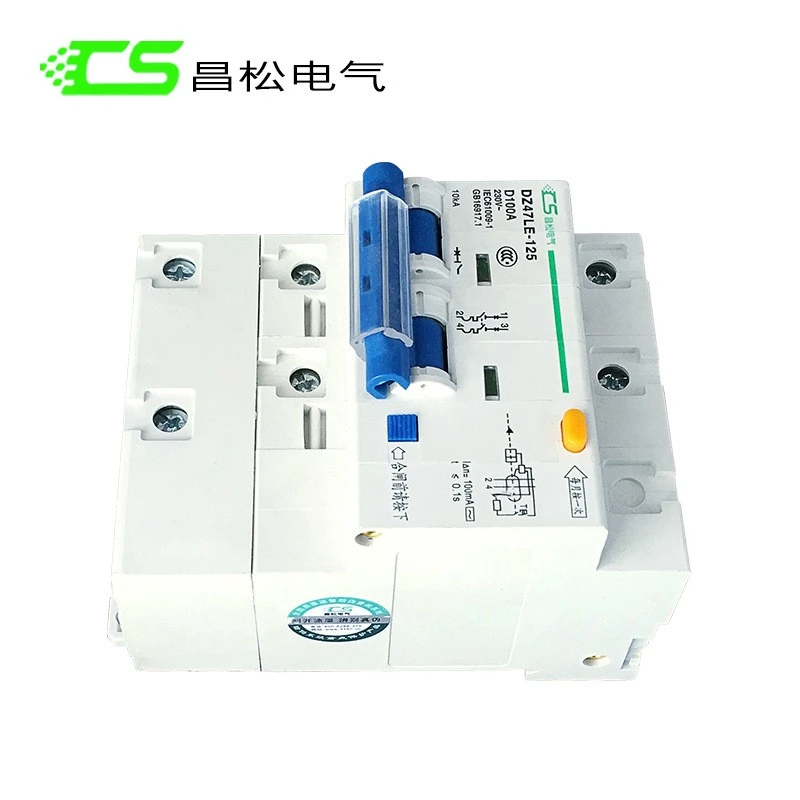
One of the primary aspects of MCB standards is electrical performance. The rated current is a fundamental parameter. It represents the maximum continuous current that the MCB can carry without tripping under normal operating conditions. For example, common rated currents for MCBs range from 1A to 125A. Our 125 Amp Dc Breaker is designed to handle high - current applications, meeting the demands of industrial and commercial electrical systems.
The breaking capacity is another crucial electrical performance factor. It refers to the maximum short - circuit current that the MCB can safely interrupt without being damaged. High - breaking - capacity MCBs are required in areas where short - circuit currents can be large, such as in industrial power distribution systems. Standards specify different levels of breaking capacity, and MCBs are tested to ensure they can meet these requirements.
Tripping Characteristics
MCBs have different tripping characteristics to suit various applications. There are mainly three types: B, C, and D curves.

The B - curve MCBs are designed for circuits with mainly resistive loads, such as lighting circuits. They trip at a relatively low multiple of the rated current (usually 3 - 5 times the rated current). This ensures that in case of a short - circuit or over - current situation in a lighting circuit, the MCB can quickly cut off the power to prevent damage to the electrical equipment.
C - curve MCBs are commonly used in circuits with a mix of resistive and inductive loads, like small motors and household appliances. They trip at 5 - 10 times the rated current. This characteristic allows them to tolerate the inrush currents that occur when motors start up without unnecessary tripping.
D - curve MCBs are suitable for circuits with high - inrush - current loads, such as large motors. They can withstand high inrush currents and trip at 10 - 20 times the rated current. This ensures that the MCB only trips when there is a genuine over - current or short - circuit condition, rather than due to normal motor starting currents.
Construction and Material Standards
The construction of MCBs must meet certain standards to ensure their reliability and safety. The housing of the MCB is typically made of high - quality insulating materials, such as thermosetting plastics. These materials have good electrical insulation properties, high mechanical strength, and are resistant to heat and fire.
The internal components, such as contacts and trip mechanisms, also need to meet strict quality standards. The contacts should have low contact resistance to minimize power losses and heat generation. They are usually made of copper or copper alloys with appropriate surface treatments to enhance their conductivity and corrosion resistance.
The trip mechanism, which is responsible for detecting over - currents and short - circuits and tripping the MCB, must be accurate and reliable. It is often a combination of thermal and magnetic elements. The thermal element responds to long - term over - currents, while the magnetic element reacts quickly to short - circuits.
Safety Standards
Safety is of utmost importance when it comes to MCBs. There are several safety standards that MCBs must comply with. For example, they must have proper protection against electric shock. This includes features such as insulated enclosures and proper grounding provisions.
MCBs also need to be tested for their ability to withstand environmental factors. They should be able to operate reliably in different temperatures, humidity levels, and altitudes. In addition, they must be resistant to dust and moisture, especially in outdoor or industrial applications.
Compatibility with Other Electrical Equipment
MCBs need to be compatible with other electrical equipment in the system. For example, they should be able to work well with fuses. In some electrical systems, fuses are used in combination with MCBs for additional protection. Our PV Direct Current Protective Fuses can be used in conjunction with MCBs in photovoltaic systems to ensure comprehensive protection.
MCBs should also be compatible with distribution boards and switchgear. They need to fit properly into the designated slots in the distribution board and be able to communicate effectively with other components in the switchgear.
Installation and Maintenance Standards
Proper installation and maintenance are crucial for the correct functioning of MCBs. Installation standards specify the correct way to mount the MCBs, including the orientation, the torque for tightening the connections, and the clearance requirements. Incorrect installation can lead to poor electrical contact, over - heating, and premature failure of the MCB.
Maintenance standards provide guidelines on how to inspect and test MCBs regularly. This includes checking for signs of wear and tear, verifying the tripping characteristics, and cleaning the contacts if necessary. Regular maintenance can extend the lifespan of the MCBs and ensure their reliable operation.
Standards for Special Applications
In addition to the general standards, there are also specific standards for special applications. For example, in the case of Leakage Circuit Breaker With Overcurrent Function, they need to meet standards related to leakage current detection and protection. These devices are designed to detect small leakage currents to prevent electric shock and fire hazards.
In photovoltaic systems, MCBs need to be able to handle direct current (DC) and be compatible with the unique electrical characteristics of PV panels. They must also be able to withstand the high - voltage and high - current conditions that can occur in PV installations.
Conclusion
As a circuit breaker MCB supplier, we are committed to producing MCBs that meet all the relevant standards. By adhering to these standards, we ensure that our products are safe, reliable, and perform well in various electrical applications.
If you are in the market for high - quality MCBs that meet the strictest standards, we invite you to contact us for procurement and further discussions. Our team of experts is ready to assist you in finding the most suitable MCBs for your specific needs.
References
- IEC 60898 - 1: Low - voltage switchgear and controlgear - Circuit - breakers for overcurrent protection for household and similar installations - Part 1: Circuit - breakers for alternating current.
- UL 489: Standard for Molded - Case Circuit Breakers, Molded - Case Switches, and Circuit - Breaker Enclosures.
- GB 10963.1: Miniature circuit - breakers for over - current protection for household and similar installations - Part 1: Circuit - breakers for alternating current.


