

Hey there, folks! I'm a supplier of 20A AC circuit breakers, and today I wanna chat about the performance characteristics of these nifty devices. Circuit breakers are like the unsung heroes of our electrical systems, quietly doing their job to keep things safe and running smoothly. So, let's dive right in and explore what makes a 20A AC circuit breaker tick.
1. Current Rating
The most obvious characteristic is the 20A current rating. This means that under normal operating conditions, the circuit breaker can handle a continuous current of up to 20 amperes. It's designed to carry this load without tripping, allowing electrical devices connected to the circuit to function properly.
Think about it like this: if you have a bunch of appliances plugged into a circuit, and the total current draw of those devices stays below 20A, the breaker will just sit there, minding its own business. But as soon as the current exceeds that 20A limit, things start to get interesting.
2. Overcurrent Protection
One of the primary jobs of a 20A AC circuit breaker is to protect against overcurrent situations. Overcurrent can happen for a few reasons, like a short circuit or when too many high - power devices are connected to the same circuit.
When an overcurrent occurs, the breaker will trip. There are two main types of overcurrent protection: thermal and magnetic.
Thermal Protection
The thermal element of the circuit breaker is like a little heat - sensitive switch. It's made of a bimetallic strip. As the current flowing through the breaker increases, the bimetallic strip heats up. Different metals in the strip expand at different rates, causing the strip to bend. When it bends enough, it trips the breaker mechanism. This type of protection is great for dealing with long - term overcurrents, like when you accidentally overload a circuit by plugging in too many things over time.
Magnetic Protection
The magnetic element is designed to handle short - circuit situations. A short circuit is when there's a direct connection between the live and neutral wires, causing a huge surge of current. In a short - circuit scenario, the magnetic field generated by the high current is strong enough to quickly pull a plunger or armature, which then trips the breaker. This happens almost instantaneously, protecting the electrical system from damage.
3. Voltage Rating
A 20A AC circuit breaker also has a specific voltage rating. Most commonly, these breakers are rated for standard household or commercial voltages, like 120V or 240V in North America. The voltage rating is important because it determines the maximum electrical potential that the breaker can safely handle.
If you try to use a breaker with a lower voltage rating than the actual voltage in the circuit, it could lead to arcing, overheating, and even failure of the breaker. On the other hand, using a breaker with a much higher voltage rating than necessary might not provide the best protection.
4. Trip Curve
The trip curve of a circuit breaker is a graphical representation of how quickly the breaker will trip at different levels of overcurrent. It's like a roadmap for the breaker's behavior.
There are different types of trip curves, and for a 20A AC circuit breaker, the curve is carefully designed to balance protection and normal operation. For example, a Type B trip curve is common for general - purpose applications. It trips relatively quickly for small overcurrents (usually between 3 and 5 times the rated current) and is suitable for circuits with mainly resistive loads like lighting and small appliances.
5. Durability and Reliability
As a supplier, I know that durability and reliability are key. A 20A AC circuit breaker needs to be able to withstand the test of time. It's made of high - quality materials that can handle the electrical stresses and mechanical wear and tear.
The contacts inside the breaker are designed to make and break the circuit thousands of times without degrading. They're often made of materials like copper or silver - plated copper, which have good electrical conductivity and resistance to corrosion.
6. Compatibility
Our 20A AC circuit breakers are designed to be compatible with a wide range of electrical panels and systems. Whether you're working on a residential electrical panel or a commercial distribution board, you can count on our breakers to fit and work properly.
We also offer different types of mounting options, so you can choose the one that best suits your needs. This compatibility makes it easier for electricians and DIY enthusiasts to install and replace the breakers when needed.

7. Safety Features
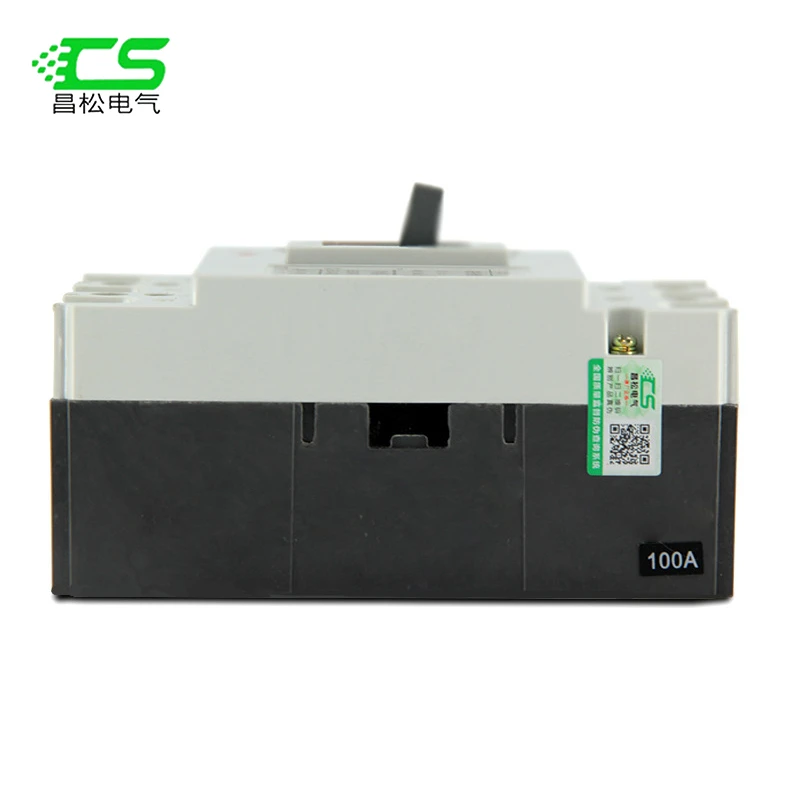
Safety is always a top priority. Our 20A AC circuit breakers come with several safety features. For example, they have a visible trip indicator, which makes it easy to tell if the breaker has tripped. This is really helpful, especially in large electrical panels where it can be hard to spot a tripped breaker.
Some of our breakers also have a locking mechanism, which can prevent accidental resetting. This is important in situations where there might be an underlying issue in the electrical system that needs to be fixed before the breaker is turned back on.
Related Products
If you're interested in other electrical protection devices, check out our Dc Power Distribution Box Cabinet. It's a great solution for distributing DC power in various applications. Also, take a look at our 63 Amp Mccb, which is designed for higher - current applications. And for combined protection, our Combined Residual Current And Overcurrent Protection Device offers both residual current and overcurrent protection in one unit.
Wanna Purchase? Let's Talk
If you're in the market for 20A AC circuit breakers or any of our other electrical products, I'd love to chat with you. These circuit breakers are essential for keeping your electrical systems safe and reliable. Whether you're an electrician, a contractor, or a DIY enthusiast, our products are designed to meet your needs. So, don't hesitate to reach out. Let's start a conversation about how we can help you with your electrical projects.
References
- Electrical Engineering Handbook, Various authors
- Circuit Breaker Manufacturers' Specifications
- National Electrical Codes


