

Hey there! As a supplier of DC combiner boxes for PV systems, I often get asked about the emergency shutdown procedures for these crucial components. In this blog, I'll walk you through the steps and share some important insights.
Why Emergency Shutdown is Crucial
First off, let's talk about why emergency shutdown is so important. In a PV system, a DC combiner box plays a key role in collecting and combining the DC power from multiple PV panels. But things can go wrong. There could be a short - circuit, over - current, or even a fire hazard. That's when an emergency shutdown is needed to prevent further damage and ensure the safety of the system and the people around it.
Pre - Shutdown Checks
Before initiating an emergency shutdown, there are a few checks you should perform. First, visually inspect the DC combiner box. Look for any signs of overheating, like discolored components or a burning smell. Check if there are any loose connections, which could be a cause of electrical problems. Also, take a quick look at the PV panels connected to the combiner box. Are they damaged or showing any abnormal behavior?

Step - by - Step Emergency Shutdown Procedures
Step 1: Isolate the Source
The first thing you need to do is isolate the PV panels from the DC combiner box. This can usually be done by opening the DC disconnect switches. These switches are designed to quickly and safely break the electrical connection between the panels and the combiner box. Make sure you wear appropriate personal protective equipment (PPE) like insulated gloves when doing this. It's important to note that the DC voltage from PV panels can be quite high, and a small mistake can lead to serious electrical shock.
Step 2: Check the Breakers
After isolating the source, check the breakers in the DC combiner box. Breakers are safety devices that automatically cut off the electrical current when it exceeds a certain limit. If a breaker has tripped, it could be a sign of an over - current situation. You can try resetting the breaker, but be cautious. If it trips again immediately, there's likely a more serious problem, such as a short - circuit. For high - quality breakers like the 30 Amp Ac Breaker, they are designed to handle the electrical loads in PV systems effectively.
Step 3: Inspect the Fuses
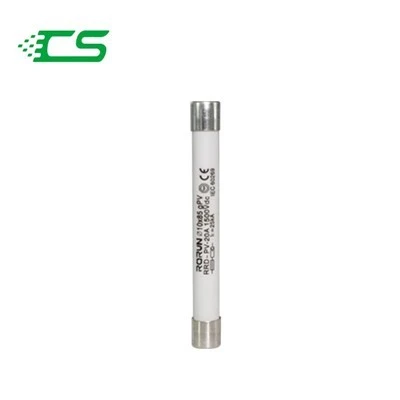
Fuses are another important safety component in a DC combiner box. They are designed to melt and break the circuit when the current is too high, protecting the other components from damage. Check if any fuses have blown. If a fuse is blown, replace it with a new one of the same rating. Using a fuse with the wrong rating can lead to safety issues. For a reliable option, you might consider the Waterproof Fuse Holder, which can protect the fuses from environmental factors.
Step 4: Check for Ground Faults
Ground faults can be a major problem in PV systems. A ground fault occurs when the electrical current finds an unintended path to the ground. To check for ground faults, you can use a ground fault detector. If a ground fault is detected, you need to locate and fix the source of the fault. This could involve checking the wiring, connections, and the insulation of the components.
Step 5: Secure the System
Once you've completed all the checks and fixed any issues you've found, secure the DC combiner box and the PV system. Make sure all the switches are in the correct position, and all the connections are tight. You might also want to label any components that have been replaced or repaired for future reference.
Post - Shutdown Actions
After the emergency shutdown, it's important to document what happened. Write down the time of the shutdown, the symptoms you observed, and the steps you took to resolve the issue. This documentation can be very useful for future troubleshooting and for ensuring the long - term reliability of the PV system.
Also, consider conducting a thorough inspection of the entire PV system. Sometimes, an issue in the DC combiner box could be a symptom of a larger problem in the system. Check the PV panels, inverters, and other components for any signs of damage or wear.
Special Considerations for Different Types of PV Systems
If you're dealing with a grid - connected PV system, there are some additional considerations. In a grid - connected system, the DC combiner box is connected to a Pv Grid - Connected Cage. When performing an emergency shutdown, you need to make sure that the connection to the grid is also properly isolated. This might involve working with the utility company to ensure that the power flow between the PV system and the grid is safely interrupted.
Conclusion
Emergency shutdown procedures for a DC combiner box in a PV system are crucial for ensuring the safety and reliability of the system. By following the steps outlined in this blog, you can quickly and effectively handle any emergencies that might arise. Remember, safety should always be your top priority when working with PV systems.
If you're in the market for high - quality DC combiner boxes or related components for your PV system, we're here to help. We have a wide range of products that are designed to meet the needs of different PV applications. Whether you're a small - scale residential installer or a large - scale commercial developer, we can provide you with the right solutions. Contact us to start a procurement discussion and find out how we can help you build a more efficient and reliable PV system.
References
- Solar Energy Industries Association (SEIA) - Guidelines for PV System Safety
- National Electrical Code (NEC) - Requirements for PV Systems
- Manufacturer's Manuals for DC Combiner Boxes and PV Components


