

Overloading is a common electrical issue that can have significant effects on a 20A AC circuit breaker. As a trusted supplier of 20A AC circuit breakers, I have witnessed firsthand the consequences of overloading and understand the importance of educating customers about this critical topic. In this blog post, I will delve into the effects of overloading on a 20A AC circuit breaker, explore the underlying causes, and provide practical solutions to prevent such issues.
Understanding the Basics of a 20A AC Circuit Breaker
Before we discuss the effects of overloading, it's essential to understand the function and specifications of a 20A AC circuit breaker. A circuit breaker is an automatic electrical switch designed to protect an electrical circuit from damage caused by overcurrent, typically resulting from an overload or a short circuit. The "20A" designation indicates the rated current capacity of the circuit breaker, meaning it is designed to safely carry a continuous current of up to 20 amperes without tripping.
When the current flowing through the circuit exceeds the rated capacity of the circuit breaker, it will trip, interrupting the flow of electricity and preventing damage to the electrical system. This protective mechanism is crucial for ensuring the safety and reliability of electrical installations.
Effects of Overloading on a 20A AC Circuit Breaker
1. Overheating
One of the most immediate effects of overloading a 20A AC circuit breaker is overheating. When the current flowing through the circuit exceeds the rated capacity of the breaker, the internal components of the breaker, such as the contacts and the thermal element, are subjected to excessive electrical stress. This increased stress generates heat, which can cause the temperature of the breaker to rise significantly.
Overheating can have several detrimental effects on the circuit breaker. Firstly, it can cause the insulation materials within the breaker to degrade, reducing their effectiveness and increasing the risk of electrical arcing and short circuits. Secondly, overheating can cause the contacts within the breaker to warp or melt, leading to poor electrical connections and increased resistance. This, in turn, can further exacerbate the overheating problem and increase the likelihood of the breaker tripping.
2. Premature Tripping
Another common effect of overloading a 20A AC circuit breaker is premature tripping. When the current flowing through the circuit exceeds the rated capacity of the breaker, the thermal element within the breaker will heat up and expand. Once the temperature reaches a certain threshold, the thermal element will actuate the trip mechanism, causing the breaker to open and interrupt the flow of electricity.
While tripping is a normal and expected function of a circuit breaker when it is overloaded, frequent or premature tripping can be a sign of a more serious problem. Premature tripping can be caused by a variety of factors, including a faulty breaker, a loose connection, or an actual overload on the circuit. If a circuit breaker is tripping frequently, it is important to investigate the cause of the problem and take appropriate measures to correct it.
3. Damage to the Circuit Breaker
Prolonged overloading of a 20A AC circuit breaker can cause permanent damage to the breaker. Over time, the excessive heat and electrical stress can cause the internal components of the breaker to wear out or fail. This can result in a loss of the breaker's protective function and increase the risk of electrical fires and other hazards.
In some cases, the damage to the circuit breaker may be so severe that it needs to be replaced. Replacing a circuit breaker can be a costly and time-consuming process, especially if it requires the services of a qualified electrician. Therefore, it is important to take steps to prevent overloading and ensure the proper operation of the circuit breaker.
4. Increased Risk of Electrical Fires
Overloading a 20A AC circuit breaker can significantly increase the risk of electrical fires. As mentioned earlier, overheating can cause the insulation materials within the breaker to degrade, increasing the risk of electrical arcing and short circuits. Electrical arcing can generate sparks and heat, which can ignite flammable materials in the vicinity of the breaker.
In addition, overloading can cause the electrical wiring in the circuit to overheat, which can also increase the risk of fire. Overheated wiring can melt the insulation around the conductors, exposing them and increasing the likelihood of a short circuit. Once a short circuit occurs, the electrical current can flow freely through the circuit, generating a large amount of heat and potentially starting a fire.
Causes of Overloading
1. Excessive Electrical Load
The most common cause of overloading a 20A AC circuit breaker is the connection of too many electrical devices to the circuit. Each electrical device has a specific power rating, which indicates the amount of electrical power it consumes. When multiple devices are connected to a circuit, the total power consumption of the devices must not exceed the rated capacity of the circuit breaker.
For example, if a 20A circuit breaker is rated for a maximum power of 2400 watts (20A x 120V), connecting devices with a total power consumption of more than 2400 watts will overload the circuit. This can happen when additional devices are added to the circuit without considering the existing load or when high-power devices are used on a circuit that is not designed to handle them.
2. Faulty Electrical Devices
Another cause of overloading can be faulty electrical devices. A faulty device may draw more current than normal, causing the circuit to overload. This can happen due to a variety of reasons, such as a short circuit within the device, a malfunctioning motor, or a damaged power supply.
It is important to regularly inspect electrical devices for signs of damage or malfunction and to replace any faulty devices immediately. This can help prevent overloading and ensure the safety and reliability of the electrical system.
3. Incorrect Wiring
Incorrect wiring can also lead to overloading of a 20A AC circuit breaker. If the wiring in a circuit is not properly sized or installed, it can have a higher resistance than normal, which can cause the current to increase and overload the circuit.
For example, if a circuit is wired with a smaller gauge wire than required for the load, the wire will have a higher resistance and will generate more heat when current flows through it. This can cause the circuit breaker to trip or, in severe cases, can lead to electrical fires.
Preventing Overloading
1. Calculate the Load
Before connecting any electrical devices to a circuit, it is important to calculate the total load of the devices and ensure that it does not exceed the rated capacity of the circuit breaker. This can be done by adding up the power ratings of all the devices that will be connected to the circuit.
If the total load exceeds the rated capacity of the circuit breaker, it may be necessary to redistribute the devices among different circuits or to upgrade the circuit breaker to a higher rating.
2. Use Properly Sized Wiring
Using properly sized wiring is essential for preventing overloading. The size of the wire used in a circuit should be based on the expected load and the length of the wire run. A qualified electrician can help determine the appropriate wire size for a particular circuit.
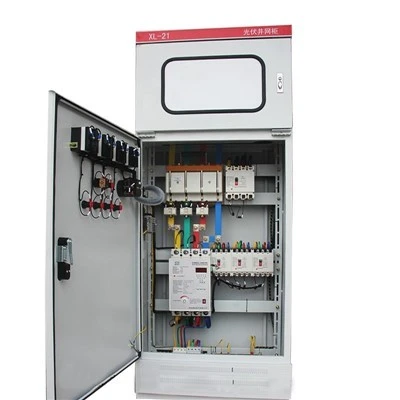

In addition to using the correct wire size, it is also important to ensure that the wiring is properly installed and connected. Loose connections can increase the resistance in the circuit and cause overheating, so all connections should be tightened securely.
3. Regular Maintenance and Inspection
Regular maintenance and inspection of electrical systems are crucial for preventing overloading and ensuring the safety and reliability of the circuit breakers. This includes checking the circuit breakers for signs of damage or overheating, inspecting the wiring for any signs of wear or damage, and testing the electrical devices for proper operation.
It is also important to have the electrical system inspected by a qualified electrician on a regular basis to identify and address any potential issues before they become serious problems.
Conclusion
Overloading a 20A AC circuit breaker can have serious consequences, including overheating, premature tripping, damage to the breaker, and an increased risk of electrical fires. As a supplier of 20A AC circuit breakers, I understand the importance of educating customers about the effects of overloading and providing them with the information and products they need to prevent such issues.
By understanding the causes of overloading and taking appropriate preventive measures, such as calculating the load, using properly sized wiring, and performing regular maintenance and inspection, you can ensure the safety and reliability of your electrical system. If you have any questions or need assistance with your electrical installation, please do not hesitate to contact us. We are here to help you make informed decisions and provide you with high-quality circuit breakers and other electrical products. Whether you are in need of Combiner Box Ac, Switchgear Distribution Cabinet, or PV Direct Current Safeguards, we have the expertise and products to meet your needs. Contact us today to start a discussion about your procurement requirements.
References
- Electrical Safety Foundation International. (n.d.). Electrical Overloads. Retrieved from [Website URL]
- National Electrical Code (NEC). (Latest Edition). National Fire Protection Association.


