

Hey there, fellow solar enthusiasts! I'm a supplier of DC MCBs for solar, and today I wanna have an open and honest chat about the disadvantages of using a DC MCB in solar setups.
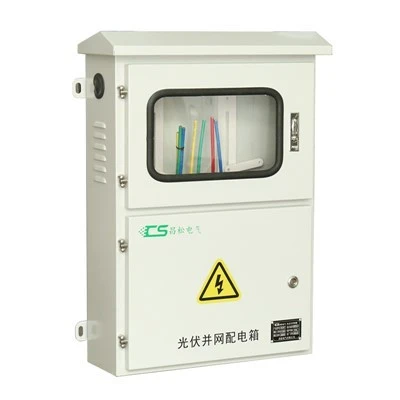

First off, let's understand what a DC MCB is. A DC MCB, or Direct Current Miniature Circuit Breaker, is a crucial component in solar power systems. It's designed to protect the system from over - current situations, just like a regular circuit breaker in your home, but for DC circuits.
One of the major drawbacks of using a DC MCB in solar is the issue of arc extinction. Unlike AC circuits, DC circuits don't have a natural zero - crossing point. In an AC circuit, the current goes through zero 100 or 120 times per second (depending on the frequency), which helps in extinguishing the arc that forms when the circuit breaker trips. But in a DC circuit, the current flows in one direction continuously. When a DC MCB trips, an arc can form between the contacts, and it's a lot harder to put out. This can lead to excessive wear and tear on the contacts of the MCB. Over time, the contacts can get pitted and damaged, reducing the lifespan of the MCB. And when the contacts are damaged, the MCB may not function properly, which is a big risk for the safety of the entire solar power system.
Another disadvantage is the cost. DC MCBs are generally more expensive than their AC counterparts. The technology required to handle DC currents and ensure proper arc extinction is more complex. The materials used in DC MCBs need to be able to withstand the high - energy arcs that can form during tripping. This means that the manufacturing process is more involved, and the components are more costly. For solar installers and system owners on a tight budget, this added cost can be a significant deterrent. It can increase the overall cost of the solar power system, making it less affordable for some customers.
DC MCBs also have limitations in terms of their interrupting capacity. The interrupting capacity of a circuit breaker refers to the maximum current that it can safely interrupt without causing damage to itself or the surrounding equipment. In solar power systems, especially large - scale ones, the short - circuit currents can be quite high. DC MCBs may not always have the high interrupting capacity required to handle these large short - circuit currents. If a DC MCB is subjected to a current higher than its interrupting capacity, it may not be able to interrupt the circuit safely. This can result in a catastrophic failure, such as a fire or damage to other components in the solar system.
Now, let's talk about the complexity of installation and maintenance. Installing a DC MCB requires a higher level of expertise compared to an AC MCB. Since DC circuits are different from AC circuits, installers need to have a good understanding of DC electrical principles. They need to ensure proper wiring, grounding, and connection to avoid any potential issues. Incorrect installation can lead to problems such as overheating, improper tripping, or even electrical shocks.
Maintenance of DC MCBs is also more challenging. Regular inspections are necessary to check the condition of the contacts and ensure that the MCB is functioning correctly. If the MCB has tripped, it needs to be carefully inspected before being reset. Any signs of damage or wear on the contacts need to be addressed promptly. This requires specialized tools and knowledge, which can be a hassle for solar system owners or small - scale installers.
In addition to these technical disadvantages, there are also some issues related to compatibility. DC MCBs need to be carefully selected to be compatible with the rest of the solar power system. The voltage and current ratings of the MCB need to match the requirements of the solar panels, inverters, and other components. If the MCB is not properly matched, it may not function as intended. For example, if the MCB has a lower current rating than the maximum current that the solar panels can produce, it may trip frequently, disrupting the normal operation of the solar system.
However, it's not all bad news. There are solutions available to mitigate these disadvantages. For arc extinction issues, some manufacturers are developing new technologies to improve the arc - quenching capabilities of DC MCBs. There are also Lightning Spike Protection devices that can be used in conjunction with DC MCBs to protect the system from high - energy surges caused by lightning strikes. These surge protectors can help reduce the stress on the MCB and prevent damage.
When it comes to cost, while DC MCBs are more expensive, the long - term benefits of having a reliable circuit protection device may outweigh the initial cost. And for large - scale solar projects, the safety and reliability provided by a high - quality DC MCB are often worth the investment.
If you're looking for other components to complement your solar power system, you might be interested in Dc Combiner Box Pv and Solar Distribution Box. These components work together with the DC MCB to ensure the smooth and safe operation of the solar system.
Despite the disadvantages, DC MCBs are still an important part of solar power systems. They provide essential protection against over - currents and short - circuits. As a supplier of DC MCBs for solar, I understand the concerns of customers. That's why we offer high - quality DC MCBs that are designed to minimize these disadvantages. Our MCBs are tested rigorously to ensure proper arc extinction and high interrupting capacity.
If you're in the market for DC MCBs for your solar project, or if you have any questions about the suitability of DC MCBs for your specific needs, I'd love to have a chat with you. Feel free to reach out and let's discuss how we can find the best solution for your solar power system.
References
- Solar Power Systems: Design and Installation Guide
- Electrical Safety Standards for DC Circuits in Renewable Energy Systems


