

When it comes to solar power systems, the DC combiner box plays a crucial role in ensuring the efficient and safe operation of the entire setup. As a DC combiner box supplier, I've witnessed firsthand the unique requirements and differences between residential and commercial solar systems. In this blog post, I'll delve into these disparities to help you understand which type of DC combiner box is best suited for your specific needs.
System Scale and Capacity
One of the most apparent differences between residential and commercial solar systems lies in their scale and capacity. Residential solar systems are typically smaller, designed to meet the energy needs of a single household. They usually consist of a limited number of solar panels, often ranging from 10 to 30 panels. As a result, the DC combiner boxes for residential systems are generally more compact and have a lower capacity.
On the other hand, commercial solar systems are much larger in scale. They are installed on commercial buildings, factories, or large facilities and can consist of hundreds or even thousands of solar panels. These systems require DC combiner boxes with a higher capacity to handle the increased electrical load. For example, a commercial DC combiner box may be capable of combining the outputs of 20 or more solar strings, while a residential one might handle only 4 to 8 strings.
The difference in capacity also affects the physical size of the combiner boxes. Residential DC combiner boxes are usually smaller and more lightweight, making them easier to install in a limited space, such as a garage or a utility room. Commercial combiner boxes, however, are larger and more robust to accommodate the higher number of inputs and the associated wiring.
Electrical Specifications
Another significant difference between residential and commercial DC combiner boxes is their electrical specifications. Residential solar systems typically operate at lower DC voltages and currents compared to commercial systems. The standard DC voltage for a residential system is often around 400 to 600 volts, while commercial systems can operate at much higher voltages, up to 1000 volts or more.

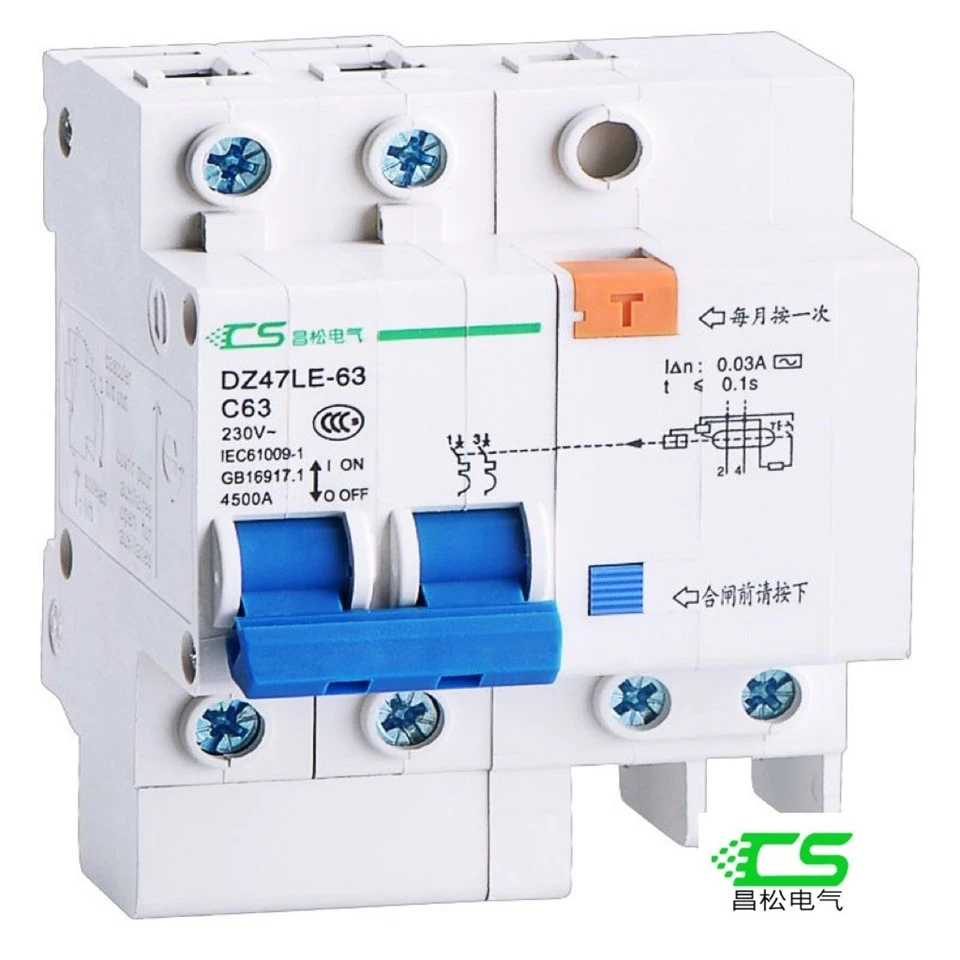
This difference in voltage requires different electrical components and safety features in the DC combiner boxes. Residential combiner boxes are designed to handle the lower voltages and currents, and they may use smaller fuses and circuit breakers. For instance, a residential DC combiner box might be equipped with 15-amp or 20-amp fuses to protect the solar strings.
In contrast, commercial DC combiner boxes need to be able to handle the higher voltages and currents safely. They are equipped with larger fuses and more robust circuit breakers, such as Mccb 250a 3p. These components are designed to withstand the increased electrical stress and provide reliable overcurrent protection.
Monitoring and Control Features
Monitoring and control features are also different between residential and commercial DC combiner boxes. In a residential solar system, the focus is often on simplicity and cost - effectiveness. Homeowners may only need basic monitoring capabilities, such as the ability to check the overall power output of the system. Some residential DC combiner boxes may come with a simple LED indicator that shows the status of the solar strings, such as whether they are generating power or if there is a fault.
Commercial solar systems, on the other hand, require more advanced monitoring and control features. These systems are often owned by businesses or organizations that rely on the solar power for their operations. They need to closely monitor the performance of each solar string to ensure maximum energy production and to detect any potential issues early.
Commercial DC combiner boxes may be equipped with advanced monitoring sensors that can measure the voltage, current, and temperature of each solar string. This data can be transmitted to a central monitoring system, allowing operators to remotely monitor the system's performance in real - time. Additionally, some commercial combiner boxes may have the ability to remotely control the individual strings, such as shutting them down in case of a fault or for maintenance purposes.
Safety Requirements
Safety is a top priority in both residential and commercial solar systems, but the specific safety requirements can vary. Residential solar systems are installed in a home environment, where the risk of human contact is relatively high. Therefore, residential DC combiner boxes need to be designed with safety features that prevent accidental electric shock.
These features may include a fully enclosed design with a lockable door to prevent unauthorized access. The combiner box may also have built - in grounding systems to ensure that any electrical faults are safely diverted to the ground. Additionally, residential combiner boxes may be equipped with RCBO Switch, which provides both overcurrent and residual current protection.
Commercial solar systems, due to their larger scale and higher power levels, have more stringent safety requirements. In addition to the basic safety features found in residential combiner boxes, commercial combiner boxes need to comply with more comprehensive safety standards. They may be required to have additional fire - resistant materials in their construction and more advanced fault detection and isolation systems.
Cost Considerations
Cost is an important factor in both residential and commercial solar installations. Residential customers are often more price - sensitive, as they are typically investing their own money in the solar system. Therefore, residential DC combiner boxes are generally more affordable, reflecting their smaller size, lower capacity, and simpler features.
Commercial customers, while also concerned about cost, are often more willing to invest in higher - quality and more advanced DC combiner boxes. This is because the long - term performance and reliability of the commercial solar system are crucial for their business operations. The cost of a commercial DC combiner box may be higher due to its larger capacity, advanced monitoring features, and more robust safety components.
Which One is Right for You?
If you're a homeowner looking to install a solar system, a residential DC combiner box is the obvious choice. It will meet your energy needs, fit in your available space, and provide the necessary safety features at an affordable price. For example, our Solar Combiner Box 6 String is a great option for residential installations, offering a compact design and reliable performance.
If you're a business owner or involved in a commercial solar project, you'll need a commercial DC combiner box. It will be able to handle the large electrical load, provide advanced monitoring and control capabilities, and meet the strict safety requirements of your project.
As a DC combiner box supplier, we understand the unique needs of both residential and commercial customers. We offer a wide range of DC combiner boxes that are designed to meet the specific requirements of each type of solar system. Whether you're looking for a simple and cost - effective solution for your home or a high - performance combiner box for your commercial project, we have the right product for you.
If you're interested in learning more about our DC combiner boxes or have any questions about which one is suitable for your solar system, please don't hesitate to contact us. We're here to help you make the best decision for your solar installation and ensure the long - term success of your project.
Remember, choosing the right DC combiner box is essential for the efficient, safe, and reliable operation of your solar power system. So, take the time to understand the differences between residential and commercial options and make an informed choice.
References
- Solar Energy Industries Association (SEIA). (2023). Solar Power Basics.
- International Electrotechnical Commission (IEC). (2023). Standards for Solar Photovoltaic Systems.
- National Renewable Energy Laboratory (NREL). (2023). Residential and Commercial Solar System Design Guidelines.


