

In the realm of electrical power systems, the combiner box AC plays a pivotal role in integrating and managing multiple AC power sources. As a seasoned combiner box AC supplier, I am well - versed in the various communication interfaces available in these essential devices. These interfaces are crucial for monitoring, control, and seamless integration with other components of the power system.
1. RS - 485 Interface
The RS - 485 interface is one of the most widely used communication interfaces in combiner box AC units. It offers several advantages that make it a popular choice in industrial and power applications.
One of the key benefits of the RS - 485 interface is its long - distance communication capability. It can support communication over distances of up to several hundred meters, which is highly useful in large - scale solar power plants or industrial facilities where combiner boxes may be spread out over a wide area. This long - range communication allows for centralized monitoring and control of multiple combiner boxes from a single location.
Another advantage is its ability to support multi - drop communication. Multiple combiner boxes can be connected to a single RS - 485 bus, enabling cost - effective communication infrastructure. This feature is particularly beneficial when there are numerous combiner boxes in a system, as it reduces the need for individual communication lines for each device.
In terms of data transfer, the RS - 485 interface provides reliable and stable data transmission. It uses differential signaling, which makes it less susceptible to electrical noise and interference compared to single - ended signaling methods. This ensures accurate data transfer of important parameters such as voltage, current, and power from the combiner box to the monitoring system.
However, the RS - 485 interface also has some limitations. For example, it has a relatively low data transfer rate compared to some other modern communication interfaces. In applications where high - speed data transfer is required, this may be a drawback. Additionally, proper termination of the RS - 485 bus is crucial to avoid signal reflections, which can lead to data errors.
2. Modbus Protocol
The Modbus protocol is often used in conjunction with the RS - 485 interface in combiner box AC units. Modbus is an open - standard communication protocol that is widely used in industrial automation and power systems.
Modbus provides a simple and standardized way to communicate between different devices. It uses a master - slave architecture, where the monitoring system acts as the master and the combiner boxes act as slaves. The master can send requests to the slaves to read or write data, and the slaves respond accordingly.
One of the main advantages of the Modbus protocol is its ease of implementation. It is relatively simple to understand and program, making it accessible to a wide range of developers and system integrators. This simplicity also contributes to its widespread adoption in the industry.
Modbus supports different data types, including discrete inputs, discrete outputs, input registers, and holding registers. In the context of a combiner box AC, these data types can be used to represent various parameters such as switch status (discrete outputs), fault indicators (discrete inputs), and electrical measurements (input and holding registers).
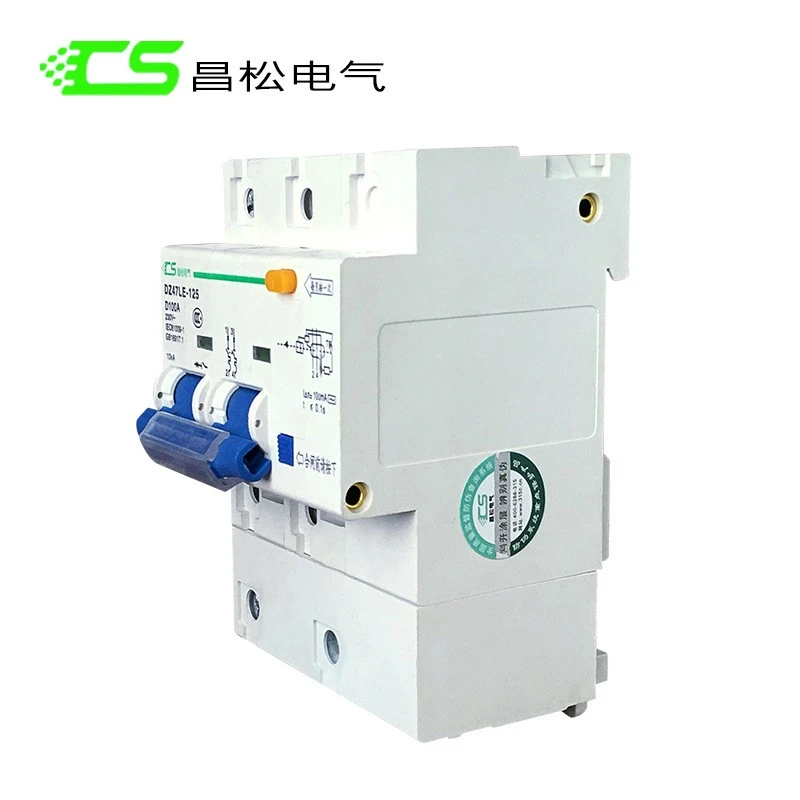

Moreover, Modbus is a well - documented protocol, which means that there are many available tools and libraries for implementing Modbus communication. This reduces the development time and cost for integrating combiner boxes into a larger power system.
However, like any protocol, Modbus has its limitations. It is a relatively simple protocol, and in some complex applications, it may not provide all the advanced features required. For example, it lacks built - in security mechanisms, which can be a concern in applications where data security is critical.
3. Ethernet Interface
With the increasing demand for high - speed data transfer and remote monitoring in power systems, the Ethernet interface is becoming more prevalent in combiner box AC units.
The Ethernet interface offers significantly higher data transfer rates compared to the RS - 485 interface. It can support data transfer speeds of up to 1 Gbps or even higher in some cases. This high - speed data transfer is essential for real - time monitoring and control of combiner boxes, especially in large - scale power plants where a large amount of data needs to be transmitted quickly.
Ethernet also provides seamless integration with existing network infrastructure. Most modern monitoring systems and control centers are already equipped with Ethernet networks, so it is easy to connect combiner boxes with Ethernet interfaces to these networks. This allows for remote access and control of combiner boxes from anywhere in the world, as long as there is an internet connection.
In addition, Ethernet supports a variety of communication protocols, such as TCP/IP, UDP, and HTTP. These protocols can be used to implement different types of applications, such as web - based monitoring interfaces, data logging, and remote configuration. For example, a web - based monitoring interface can be developed using HTTP protocol, which allows users to access real - time data and configure the combiner box through a web browser.
However, the Ethernet interface also has some challenges. It is more complex to implement compared to the RS - 485 interface, requiring more advanced networking knowledge. Additionally, Ethernet networks are more vulnerable to security threats, such as hacking and unauthorized access. Therefore, proper security measures, such as firewalls and encryption, need to be implemented to protect the data transmitted over the Ethernet network.
4. Wireless Communication Interfaces
Wireless communication interfaces are another option for communication in combiner box AC units. There are several types of wireless communication technologies that can be used, such as Wi - Fi, ZigBee, and LoRa.
Wi - Fi is a well - known wireless communication technology that offers high - speed data transfer and wide coverage. It is commonly used in home and office networks, and its use in combiner box AC units can provide easy access to the device for local monitoring and configuration. For example, a technician can use a Wi - Fi - enabled smartphone or tablet to connect to the combiner box and check its status without the need for physical cables.
ZigBee is a low - power wireless communication protocol that is designed for short - range communication. It is suitable for applications where power consumption is a concern, such as in battery - powered combiner boxes. ZigBee networks can support multiple devices and provide reliable communication in a mesh topology, which means that data can be routed through multiple nodes to reach the destination.
LoRa is a long - range, low - power wireless communication technology. It is ideal for applications where combiner boxes are located in remote areas and need to communicate over long distances. LoRa can cover distances of several kilometers, making it suitable for large - scale solar farms or industrial sites with dispersed combiner boxes.
However, wireless communication interfaces also have some limitations. They are more susceptible to interference from other wireless devices and environmental factors. For example, Wi - Fi signals can be affected by walls and other obstacles, and ZigBee and LoRa signals can be affected by weather conditions and electromagnetic interference.
5. Other Considerations and Related Components
When choosing a communication interface for a combiner box AC, several factors need to be considered. These include the distance between the combiner box and the monitoring system, the required data transfer rate, the power consumption of the interface, and the security requirements of the system.
In addition to the communication interfaces, there are also other important components in a combiner box AC that are related to communication. For example, a Double Throw Momentary Switch can be used to control the power supply or switching between different communication modes. A Grid Connected Solar Cabinet provides a protective enclosure for the combiner box and other related components, and it may also include features for communication and monitoring. A Combined Residual Current And Overcurrent Protection Device can protect the combiner box and the connected equipment from electrical faults, and it may communicate fault information to the monitoring system.
Conclusion
As a combiner box AC supplier, I understand the importance of choosing the right communication interface for each application. The RS - 485 interface with Modbus protocol is a reliable and cost - effective option for many industrial and power applications, especially those with long - distance communication requirements. The Ethernet interface offers high - speed data transfer and seamless integration with existing networks, making it suitable for real - time monitoring and control. Wireless communication interfaces provide flexibility and convenience, but they also come with challenges related to interference and security.
When considering a combiner box AC for your project, it is essential to carefully evaluate your specific requirements and choose the communication interface that best meets your needs. Whether you are a system integrator, an engineer, or a facility manager, our company can provide you with high - quality combiner box AC units with a variety of communication interfaces. We are committed to providing excellent products and services, and we welcome you to contact us for procurement and further technical discussions.
References
- "Industrial Communication Technology Handbook" by Peter Harms
- "Modbus Protocol Specification" by Modbus - IDA
- "Ethernet Networking Basics" by Cisco Systems


