

Circuit breakers are an essential part of any electrical system. As a circuit breaker supplier, I've seen firsthand the common problems that can crop up with these devices. In this blog, I'll share some of the most frequent issues and how you can deal with them.
Tripping Problems
One of the most common problems with circuit breakers is tripping. A circuit breaker trips when it detects an overload, a short - circuit, or a ground fault. An overload occurs when too many electrical devices are connected to a single circuit, drawing more current than the circuit can handle. For example, if you have a circuit in your office that's designed to handle a certain amount of power, and you plug in a bunch of high - wattage devices like heaters and large printers all at once, the breaker will trip to prevent overheating and potential fire hazards.
Short - circuits are another culprit. A short - circuit happens when the hot wire comes into contact with the neutral wire. This creates a low - resistance path for the current, causing a sudden surge. When this occurs, the circuit breaker quickly trips to cut off the power. Ground faults are similar, but they involve the hot wire coming into contact with the ground wire or a grounded object.
To fix tripping problems, first, check if there are any obvious signs of overloading. Unplug some of the non - essential devices from the circuit and see if the breaker stays on. If the problem persists, it could be a short - circuit or ground fault. In this case, it's best to call a professional electrician. They have the tools and expertise to locate and repair the fault safely.
Failure to Trip
On the flip side, a circuit breaker that fails to trip can be just as dangerous. If a breaker doesn't trip during an overload, short - circuit, or ground fault, it can lead to overheating of the wires, which may cause a fire. There are several reasons why a breaker might fail to trip. One common reason is wear and tear. Over time, the internal components of the breaker can degrade, reducing its ability to detect abnormal current conditions.
Another factor could be improper installation. If the breaker is not installed correctly, it may not function as intended. For instance, if the connections are loose, the breaker may not be able to sense the current accurately. Also, using a breaker with the wrong amperage rating for the circuit can cause it to fail to trip.
If you suspect that your breaker is not tripping when it should, don't try to fix it yourself. This is a serious safety issue. Contact an electrician immediately to assess and replace the faulty breaker.
Overheating
Overheating is another problem that circuit breakers can face. There are a few reasons why a breaker might overheat. One reason is overloading, as mentioned earlier. When a circuit is overloaded, the current flowing through the breaker is higher than it's designed to handle. This extra current generates heat, which can cause the breaker to overheat.
Loose connections can also lead to overheating. When the connections between the breaker and the wires are loose, there is increased resistance at the connection point. According to Ohm's law (V = IR), increased resistance leads to more heat generation. Additionally, a faulty breaker with worn - out internal components may also overheat.
If you notice that a breaker is overheating, turn off the power to the circuit immediately. Check for loose connections and tighten them if necessary. However, if the problem persists, it's likely that the breaker itself is faulty and needs to be replaced.
Contact Problems
The contacts inside a circuit breaker are crucial for its proper functioning. Over time, these contacts can become pitted, corroded, or worn out. Pitting occurs due to arcing, which happens when the breaker trips. The high - energy arc can damage the surface of the contacts. Corrosion can be caused by environmental factors such as humidity and exposure to chemicals.
When the contacts are damaged, they may not make a good connection. This can lead to intermittent power problems, such as lights flickering or appliances not working properly. In some cases, it can also cause the breaker to overheat.
If you suspect contact problems, it's usually best to replace the breaker. Contact repair is a delicate process that requires specialized tools and skills.
Compatibility Issues
Sometimes, compatibility issues can arise when trying to install a new circuit breaker. For example, if you're upgrading your electrical system and you try to install a breaker that's not compatible with your existing panel, it may not fit properly or function correctly.
It's important to make sure that the breaker you choose has the right voltage rating, amperage rating, and physical dimensions for your panel. You can refer to the manufacturer's specifications or consult with an electrician to ensure compatibility.
Solutions and Recommendations
As a circuit breaker supplier, I recommend regular maintenance of your electrical system. This includes checking the breakers for signs of wear and tear, tightening connections, and ensuring that the circuits are not overloaded. You should also have your electrical system inspected by a professional electrician at least once a year.
When it comes to choosing a circuit breaker, consider the quality and reliability of the product. For instance, our 800 Amps Plastic Case Circuit Breaker (MCCB) is designed to provide reliable protection against overloads, short - circuits, and ground faults. It's built with high - quality materials and advanced technology to ensure long - term performance.
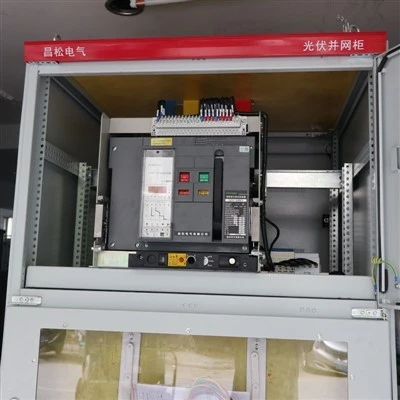
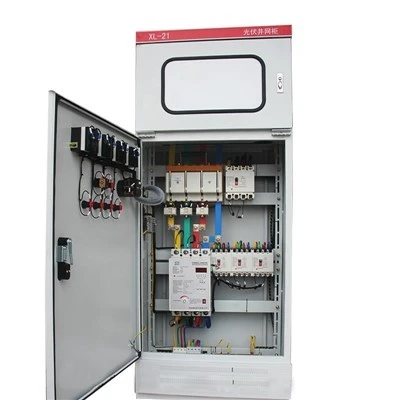
If you're involved in solar power systems, our Grid Connected Solar Cabinet and 400KW High And Low Voltage Grid - connected Cabinet are great options. These cabinets are equipped with high - quality circuit breakers to protect your solar power system from electrical faults.
In conclusion, circuit breakers are vital for the safety and proper functioning of your electrical system. By being aware of the common problems and taking appropriate preventive measures, you can ensure that your circuit breakers work effectively. If you have any questions about circuit breakers or need help with choosing the right product for your needs, feel free to reach out to us. We're here to assist you with all your circuit breaker requirements and help you make the best decisions for your electrical system. Contact us to start a procurement discussion and find the perfect circuit breaker solutions for your projects.
References
- Electrical Wiring Handbook
- National Electrical Code (NEC)


