

Hey there! As a supplier of AC circuit breaker boxes, I've seen firsthand how important it is to get the wiring right. A well - wired AC circuit breaker box not only ensures the safety of your electrical system but also keeps things running smoothly. In this blog, I'll walk you through the steps of wiring an AC circuit breaker box.
Step 1: Gather Your Tools and Materials
Before you start wiring, you'll need to make sure you have all the necessary tools and materials. Here's a quick list:
- Screwdriver set: You'll need different sizes to remove and install cover plates and connect wires.
- Wire strippers: These are essential for removing the insulation from the wires.
- Voltage tester: This will help you check if the power is off before you start working.
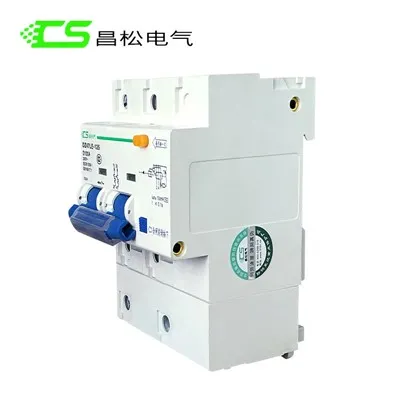
- AC circuit breaker box: Of course, you need the box itself. You can check out our 63a Ac Circuit Breaker and 4 Pole Rcbo options, which are high - quality and reliable.
- Electrical wires: Make sure you have the right gauge of wires for your electrical load.
- Wire nuts: These are used to connect wires together.
Step 2: Turn Off the Power
Safety first! Before you do anything, turn off the main power supply to your home or building. Locate the main breaker in your existing electrical panel and switch it to the “off” position. Use a voltage tester to double - check that there's no power flowing to the panel. This is a crucial step, as working on live wires can be extremely dangerous.
Step 3: Prepare the Circuit Breaker Box
Once the power is off, it's time to prepare the circuit breaker box. Remove the cover plate of the box using a screwdriver. This will give you access to the internal components. Check the box for any damage or loose parts. If you notice anything wrong, it's best to replace the box or get it repaired before proceeding.
Step 4: Mount the Circuit Breaker Box
Decide on the location where you want to mount the circuit breaker box. It should be in a dry, accessible area, away from any sources of water or heat. Use the appropriate mounting hardware to secure the box to the wall. Make sure it's level and firmly attached.
Step 5: Connect the Main Wires
The main wires are the ones that bring power into the circuit breaker box. Usually, there are two hot wires (black or red) and a neutral wire (white). Strip about 3/4 inch of insulation from the ends of the wires using wire strippers.
Connect the hot wires to the main lugs on the circuit breaker box. These lugs are usually labeled “Line” or “Hot”. Tighten the screws on the lugs to ensure a good connection. Then, connect the neutral wire to the neutral bus bar in the box. The neutral bus bar is typically a long, silver - colored bar.
Step 6: Install the Circuit Breakers
Now it's time to install the individual circuit breakers. Choose the right type and amperage of breakers for your electrical circuits. For example, if you're wiring a circuit for a small appliance, a 15 - amp breaker might be sufficient, while a large appliance like an electric stove might require a 50 - amp breaker.
Insert the circuit breakers into the slots in the circuit breaker box. Make sure they snap into place securely. Each breaker has a pair of terminals where you'll connect the wires for the specific circuit.
Step 7: Connect the Branch Circuit Wires
The branch circuit wires are the ones that carry power from the circuit breaker box to the different electrical outlets, switches, and appliances in your home or building. Strip about 3/4 inch of insulation from the ends of these wires.
Connect the hot wire of each branch circuit to the corresponding terminal on the circuit breaker. Then, connect the neutral wire of the branch circuit to the neutral bus bar. If the circuit has a ground wire (usually green or bare copper), connect it to the ground bus bar in the box.
Step 8: Check the Connections
Once all the wires are connected, double - check all the connections to make sure they're tight and secure. Loose connections can cause overheating and electrical problems. You can give each wire a gentle tug to make sure it doesn't come loose.
Step 9: Replace the Cover Plate
After you've checked all the connections, carefully replace the cover plate of the circuit breaker box. Use the screwdriver to secure the cover plate back in place.
Step 10: Turn On the Power
Finally, it's time to turn the power back on. Switch the main breaker in the circuit breaker box to the “on” position. Check each circuit breaker to make sure it's working properly. You can do this by turning on the lights or appliances connected to each circuit.
If you run into any issues, such as a breaker tripping immediately or no power reaching a certain circuit, you may need to go back and check your connections or troubleshoot the problem.
Tips and Tricks
- Label Your Circuits: It's a good idea to label each circuit breaker in the box so you know which one controls which part of your home or building. This will make it easier to troubleshoot problems in the future.
- Use the Integrated Equipment Bay: If you have a more complex electrical system, the Integrated Equipment Bay can be a great addition. It provides a centralized location for various electrical components and can help with organization and maintenance.
- Follow Local Electrical Codes: Always make sure you're following the local electrical codes and regulations when wiring your circuit breaker box. This will ensure the safety and legality of your electrical installation.
Why Choose Our AC Circuit Breaker Boxes?
As a supplier, we take pride in offering high - quality AC circuit breaker boxes. Our products are made from top - grade materials and are designed to meet the highest safety standards. We have a wide range of options, including different sizes, amperages, and configurations, to suit your specific needs.
Whether you're a homeowner doing a DIY project or a professional electrician, our circuit breaker boxes are reliable and easy to install. We also offer excellent customer support, so if you have any questions or need help with your installation, we're here for you.

Contact Us for Purchase and Consultation
If you're interested in purchasing our AC circuit breaker boxes or have any questions about wiring or electrical systems, don't hesitate to get in touch. We're always happy to assist you with your procurement needs and provide expert advice. Whether you need a single circuit breaker or a large - scale installation, we can help you find the right solutions.
References
- National Electrical Code Handbook
- Electrical Wiring Residential by Carlton B. Cash


