

How to Test MCB 1P 16A
As a supplier of MCB 1P 16A, I understand the importance of ensuring the quality and functionality of these miniature circuit breakers. Testing MCB 1P 16A is a crucial step in guaranteeing their performance and safety in electrical systems. In this blog post, I will share some comprehensive and practical methods on how to test MCB 1P 16A.
Understanding the Basics of MCB 1P 16A
Before diving into the testing process, it's essential to have a clear understanding of what MCB 1P 16A is. A Miniature Circuit Breaker (MCB) is an automatically operated electrical switch designed to protect an electrical circuit from damage caused by excess current, typically resulting from an overload or short - circuit. The "1P" indicates that it is a single - pole breaker, which means it can control and protect a single electrical conductor. The "16A" represents the rated current of the breaker, which means it is designed to carry a maximum continuous current of 16 amperes under normal operating conditions.
Visual Inspection
The first step in testing an MCB 1P 16A is a visual inspection. This simple yet important step can help identify any obvious signs of damage or wear.

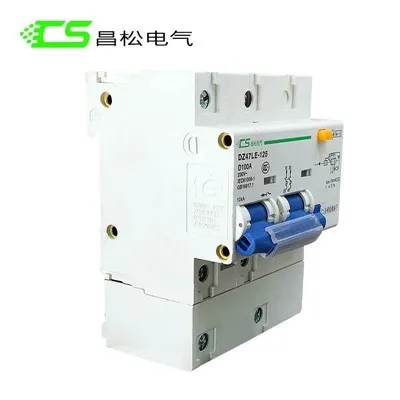
- Examine the Physical Condition: Check the MCB for any cracks, burns, or deformities on the outer casing. A damaged casing can compromise the insulation and safety of the breaker. Look for signs of overheating, such as discoloration or melting around the terminals.
- Inspect the Terminals: Ensure that the terminals are clean, tight, and free from corrosion. Loose or corroded terminals can cause poor electrical connections, leading to overheating and potential failure of the breaker.
Continuity Testing
Continuity testing is used to check if there is a complete electrical path through the MCB.
- Set Up the Multimeter: Set your multimeter to the continuity or resistance mode. A multimeter is a versatile tool that can measure voltage, current, and resistance.
- Test the Contacts: With the MCB in the ON position, connect the multimeter probes to the input and output terminals of the breaker. If the MCB is functioning properly, the multimeter should show a very low resistance (close to zero ohms), indicating a continuous electrical path. If the resistance is high or infinite, it may indicate a problem with the contacts, such as a broken connection or a faulty switch mechanism.
Overload Testing
Overload testing is designed to simulate a situation where the current flowing through the MCB exceeds its rated current for an extended period.
- Use a Load Bank: A load bank is a device that can provide a controlled electrical load. Connect the MCB to the load bank and gradually increase the load until the current reaches a value slightly above the rated current of 16A. For example, you can set the load to 18A or 20A.
- Monitor the Tripping Time: Observe the MCB and record the time it takes to trip. According to the standards, an MCB 1P 16A should trip within a certain time frame when subjected to an overload. For instance, if the overload is 1.45 times the rated current (23.2A in this case), the breaker should trip within 1 hour. If the MCB does not trip within the specified time or trips too quickly, it may be defective.
Short - Circuit Testing
Short - circuit testing is used to evaluate the ability of the MCB to interrupt a high - current short - circuit fault.
- Use a Short - Circuit Generator: A short - circuit generator can generate a high - current short - circuit condition. Connect the MCB to the short - circuit generator and set the generator to produce a short - circuit current that is much higher than the rated current of the breaker.
- Observe the Tripping Action: When the short - circuit occurs, the MCB should trip instantaneously to protect the circuit. Check if the breaker trips quickly and effectively to interrupt the short - circuit current. If the MCB fails to trip or experiences a delayed trip, it is a serious safety hazard and the breaker should be replaced.
Sensitivity Testing
Sensitivity testing is used to check the ability of the MCB to detect and respond to small changes in current.
- Gradually Increase the Current: Use a variable power supply to gradually increase the current flowing through the MCB from zero. Observe the point at which the MCB trips. The breaker should trip at a current value that is within the specified sensitivity range.
- Repeat the Test: Repeat the sensitivity test several times to ensure consistent results. If the tripping current varies significantly between tests, it may indicate a problem with the breaker's internal mechanism.
Verification of the Trip Characteristics
The trip characteristics of an MCB are defined by its time - current curve. This curve shows the relationship between the tripping time and the magnitude of the overcurrent.
- Compare with the Manufacturer's Specifications: Obtain the time - current curve from the manufacturer's documentation and compare the test results with the specified curve. The actual tripping times and currents should match the curve within an acceptable tolerance.
- Use a Curve Tracer: A curve tracer is a specialized instrument that can plot the time - current curve of an MCB. By using a curve tracer, you can accurately verify the trip characteristics of the breaker and ensure that it meets the required standards.
Testing in a Real - World Electrical System
After performing the individual tests, it is also important to test the MCB in a real - world electrical system.
- Install the MCB in the Circuit: Connect the MCB to the appropriate electrical circuit and turn on the power. Monitor the operation of the circuit and the MCB under normal and abnormal conditions.
- Check for Compatibility: Ensure that the MCB is compatible with other components in the electrical system, such as other breakers, fuses, and electrical appliances. Incompatible components can cause problems such as false tripping or inadequate protection.
Conclusion
Testing MCB 1P 16A is a complex but necessary process to ensure the safety and reliability of electrical systems. By following the steps outlined in this blog post, you can effectively test the functionality and performance of MCB 1P 16A. As a supplier, we are committed to providing high - quality MCB 1P 16A products that meet the strictest standards. If you are interested in purchasing MCB 1P 16A or have any questions about our products, please feel free to contact us for procurement and negotiation.
In addition to MCB 1P 16A, we also offer a wide range of other electrical products, such as Dc Mcb 125a Circuit Breaker, Rcbo Circuit Breaker, and Pv Grid - Connected Cabinet. These products are designed to meet the diverse needs of our customers in different electrical applications.
References
- IEC 60898 - 1:2016, Low - voltage switchgear and controlgear - Part 1: Circuit - breakers for overcurrent protection for household and similar installations
- UL 489, Standard for Molded - Case Circuit Breakers, Molded - Case Switches, and Circuit - Breaker Enclosures


