

High-voltage surges pose a significant threat to electrical equipment, including MCCB 250A 3P. As a supplier of MCCB 250A 3P, I understand the importance of protecting these critical components from such surges. In this blog, I will share some effective strategies on how to safeguard MCCB 250A 3P from high-voltage surges.
Understanding High-Voltage Surges
Before delving into the protection methods, it is essential to understand what high-voltage surges are and where they come from. High-voltage surges, also known as voltage spikes, are short-duration increases in voltage that can occur in an electrical system. These surges can be caused by various factors, including lightning strikes, switching operations in the power grid, and electrical equipment malfunctions.
Lightning strikes are one of the most common causes of high-voltage surges. When a lightning bolt hits a power line or a nearby object, it can inject a large amount of electrical energy into the system, resulting in a sudden increase in voltage. Switching operations, such as the turning on or off of large electrical loads, can also generate high-voltage surges due to the rapid change in current flow. Electrical equipment malfunctions, such as short circuits or ground faults, can also lead to voltage spikes.
The Impact of High-Voltage Surges on MCCB 250A 3P
High-voltage surges can have a detrimental effect on MCCB 250A 3P. These surges can cause overheating, insulation breakdown, and mechanical damage to the circuit breaker. Overheating can lead to the degradation of the internal components of the MCCB, reducing its lifespan and reliability. Insulation breakdown can result in short circuits, which can damage the MCCB and other electrical equipment in the system. Mechanical damage can occur due to the sudden increase in electromagnetic forces during a surge, which can cause the contacts of the MCCB to weld together or the internal mechanisms to malfunction.
Protection Strategies
Surge Protection Devices (SPDs)
Surge protection devices are one of the most effective ways to protect MCCB 250A 3P from high-voltage surges. SPDs are designed to divert the excess voltage caused by a surge to the ground, thereby protecting the electrical equipment connected to the system. There are different types of SPDs available, including Type 1, Type 2, and Type 3 SPDs.
Type 1 SPDs are typically installed at the main electrical entrance of a building to provide protection against direct lightning strikes. These SPDs are capable of handling high-energy surges and are designed to divert the majority of the surge current to the ground. Type 2 SPDs are installed at the distribution boards and are used to provide additional protection against indirect lightning strikes and switching surges. Type 3 SPDs are used for the protection of sensitive electronic equipment and are typically installed close to the equipment.
When selecting an SPD for MCCB 250A 3P, it is important to consider the rated voltage, the maximum discharge current, and the protection level of the SPD. The rated voltage of the SPD should be compatible with the voltage of the electrical system. The maximum discharge current should be sufficient to handle the expected surge current. The protection level should be low enough to ensure that the voltage across the MCCB does not exceed its rated voltage during a surge.
Proper Grounding
Proper grounding is another crucial aspect of protecting MCCB 250A 3P from high-voltage surges. A good grounding system provides a low-impedance path for the surge current to flow to the ground, thereby reducing the voltage across the electrical equipment. The grounding system should be designed and installed in accordance with the relevant electrical codes and standards.
The grounding electrode should be made of a conductive material, such as copper or galvanized steel, and should be buried deep enough in the ground to ensure a good electrical connection. The grounding conductor should be of sufficient size to carry the surge current without overheating. It is also important to ensure that all the electrical equipment in the system is properly grounded, including the MCCB.
Voltage Regulation
Voltage regulation can help to reduce the impact of high-voltage surges on MCCB 250A 3P. Voltage regulators are devices that are used to maintain a constant voltage level in an electrical system. These devices can compensate for the voltage fluctuations caused by surges and other factors, thereby protecting the electrical equipment from overvoltage.
There are different types of voltage regulators available, including linear voltage regulators and switching voltage regulators. Linear voltage regulators are simple and reliable but are less efficient than switching voltage regulators. Switching voltage regulators are more complex but are more efficient and can handle higher power levels.
When selecting a voltage regulator for MCCB 250A 3P, it is important to consider the input voltage range, the output voltage stability, and the power rating of the regulator. The input voltage range should be wide enough to accommodate the voltage fluctuations in the electrical system. The output voltage stability should be high enough to ensure that the voltage across the MCCB remains within its rated voltage range. The power rating of the regulator should be sufficient to handle the power requirements of the MCCB and the other electrical equipment connected to the system.
Regular Maintenance and Inspection
Regular maintenance and inspection of MCCB 250A 3P are essential to ensure its proper functioning and to detect any potential problems early. During the maintenance and inspection process, the following checks should be carried out:
- Visual Inspection: Check the MCCB for any signs of physical damage, such as cracks, burns, or corrosion. Inspect the contacts for any signs of wear or overheating.
- Electrical Testing: Perform electrical tests, such as insulation resistance testing and contact resistance testing, to ensure the electrical integrity of the MCCB.
- Mechanical Testing: Check the mechanical operation of the MCCB, such as the opening and closing time, the tripping time, and the contact pressure.
If any problems are detected during the maintenance and inspection process, the MCCB should be repaired or replaced immediately to prevent further damage.
Conclusion
Protecting MCCB 250A 3P from high-voltage surges is crucial for ensuring the reliability and safety of the electrical system. By using surge protection devices, proper grounding, voltage regulation, and regular maintenance and inspection, the impact of high-voltage surges on MCCB 250A 3P can be minimized.
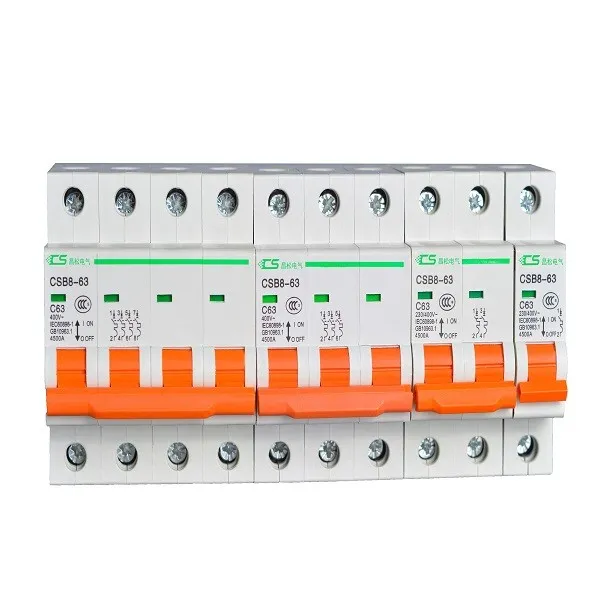

As a supplier of MCCB 250A 3P, I am committed to providing high-quality products and comprehensive solutions to our customers. If you are interested in purchasing MCCB 250A 3P or need more information about protecting them from high-voltage surges, please feel free to contact us for procurement discussions. We have a team of experts who can provide you with professional advice and support.
In addition to MCCB 250A 3P, we also offer other related products such as Rcbo Circuit Breaker Smart, MiniMelt Mechanism, and Smart Mcb Rcbo. These products are designed to provide reliable protection for your electrical systems.
References
- National Electrical Code (NEC)
- International Electrotechnical Commission (IEC) standards
- IEEE Standards for Surge Protection Devices


