

Hey there! As a supplier of 63 amp MCCBs, I often get asked about how to monitor the temperature rise of these circuit breakers. It's a crucial aspect, especially for ensuring the safety and efficiency of electrical systems. In this blog, I'll share some practical ways to keep an eye on the temperature rise of a 63 amp MCCB.

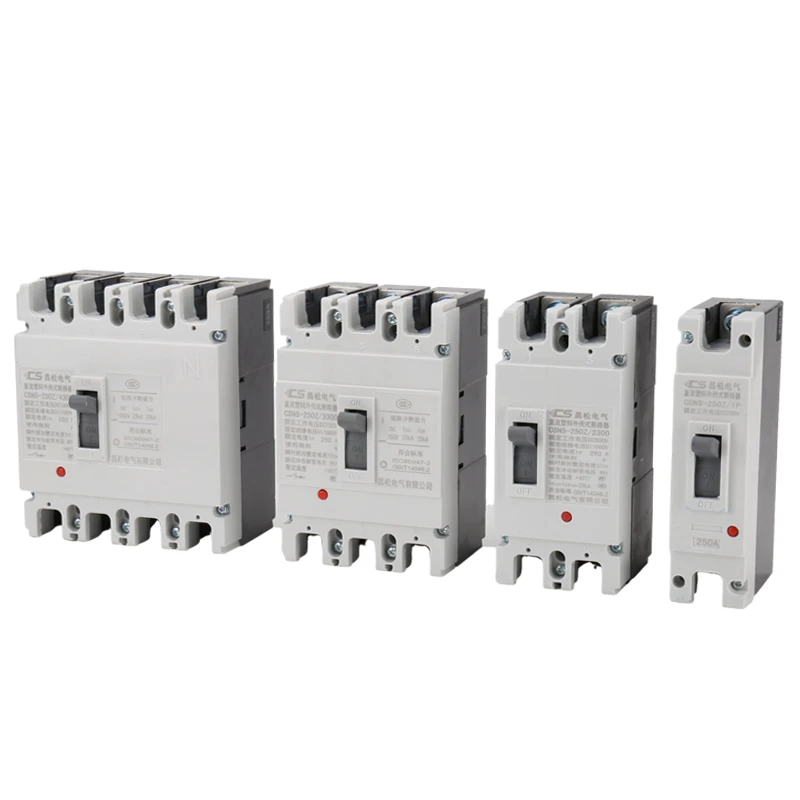
First off, let's understand why monitoring the temperature rise is so important. When an MCCB is in use, electrical current flows through it. This flow generates heat due to the resistance in the conductors and contacts. If the temperature rises too high, it can lead to a bunch of problems. For example, it might cause the insulation materials to degrade over time, which increases the risk of short - circuits. Also, excessive heat can affect the performance of the MCCB itself, potentially leading to premature tripping or even failure.
One of the simplest and most common methods to monitor the temperature rise of a 63 amp MCCB is by using thermal sensors. There are different types of thermal sensors available in the market. One popular type is the thermocouple. A thermocouple works based on the Seebeck effect, which means it generates a small voltage when there is a temperature difference between its two junctions. You can attach a thermocouple to the MCCB, usually at critical points like the contacts or the busbars. Then, connect the thermocouple to a temperature monitoring device. This device will display the temperature readings, allowing you to keep track of any significant changes.
Another option is to use a resistance temperature detector (RTD). RTDs are more accurate than thermocouples in many cases. They work by changing their electrical resistance as the temperature changes. Similar to thermocouples, you can attach an RTD to the MCCB and connect it to a monitoring system. The advantage of RTDs is that they offer better stability and repeatability in temperature measurements.
In addition to using sensors, you can also rely on infrared (IR) thermography. This is a non - contact method of temperature measurement. With an IR camera, you can scan the MCCB from a distance and get a thermal image. The different colors in the image represent different temperature levels. You can quickly identify any hot spots on the MCCB, which might indicate a problem. This method is great because it doesn't require you to physically touch the MCCB, which is especially useful when the MCCB is energized.
Now, let's talk about some best practices when it comes to temperature monitoring. First, make sure to install the sensors correctly. If they are not placed in the right position, you might not get accurate temperature readings. For example, when using a thermocouple or an RTD, place them as close as possible to the heat - generating parts of the MCCB.
Regularly calibrate your temperature monitoring equipment. Over time, sensors can drift, which means their readings might become inaccurate. Calibration ensures that you are getting reliable data. You can follow the manufacturer's instructions for calibration or have it done by a professional.
Keep a record of the temperature readings. By analyzing the data over time, you can identify trends. For example, if you notice that the temperature is gradually increasing over a few weeks, it could be a sign of a developing problem, such as a loose connection or a deteriorating component.
It's also important to set up alarm thresholds. Decide on a maximum temperature that is acceptable for your 63 amp MCCB. If the temperature exceeds this threshold, the monitoring system should trigger an alarm. This allows you to take immediate action, such as shutting down the circuit or inspecting the MCCB.
When it comes to our 63 amp MCCBs, they are designed with high - quality materials and advanced technology to minimize temperature rise. However, proper monitoring is still essential to ensure their long - term performance.
If you're looking for other related products, we also offer Dual Power Supply Automatic Transfer Switch and High - performance Grid - connected Cabinet. These products are designed to work in harmony with our MCCBs to provide a comprehensive electrical solution. And if you're interested in larger capacity MCCBs, you can check out the 630 Ampere MCCB Specifications.
In conclusion, monitoring the temperature rise of a 63 amp MCCB is a vital part of maintaining a safe and efficient electrical system. By using the right monitoring methods and following best practices, you can prevent potential problems and extend the lifespan of your MCCB. If you have any questions about our 63 amp MCCBs or need more information on temperature monitoring, don't hesitate to reach out. We're here to help you make the best choices for your electrical needs. Let's start a conversation about your procurement requirements, and we can work together to find the perfect solution for you.
References
- Electrical Engineering Handbook, Third Edition
- Thermal Management in Electrical Systems: Principles and Applications


