

Hey there! I'm a supplier of DC MCBs for solar, and today I'm going to share some tips on how to install a DC MCB for solar in a confined space. It can be a bit tricky, but with the right approach, you can get the job done safely and effectively.
Understanding DC MCBs for Solar
First off, let's quickly go over what a DC MCB (Direct Current Miniature Circuit Breaker) is and why it's important for solar systems. In solar power setups, DC MCBs act as safety devices. They protect the electrical circuit from overcurrent situations, like short - circuits or overloading. This helps prevent damage to the solar panels, batteries, and other components in the system. So, it's a crucial part to have properly installed.
Tools and Equipment You'll Need
Before you start the installation, make sure you have all the necessary tools and equipment. You'll need:
- A screwdriver set (both flat - head and Phillips - head, as different components might have different screw types).
- Insulated pliers to handle wires safely.
- A voltage tester to check if the circuit is live or not. This is super important for your safety.
- A drill (if you need to make holes for mounting).
- Mounting brackets for the DC MCB.
- And of course, the DC MCB for solar itself that you've procured from a reliable source like us.
Pre - installation Checks
-
Safety First:
Make sure to turn off the power supply to the solar system. Use the voltage tester to double - check that there is no voltage present in the circuit before you start working. This simple step can save you from getting an electric shock. -
Space Assessment:
Carefully examine the confined space where you'll be installing the DC MCB. Take note of any obstacles, like pipes, cables, or other equipment that might get in the way. Measure the dimensions of the space to ensure the DC MCB you have will fit. When looking at the space, also think about ventilation. DC MCBs can generate heat, and proper ventilation helps prevent overheating.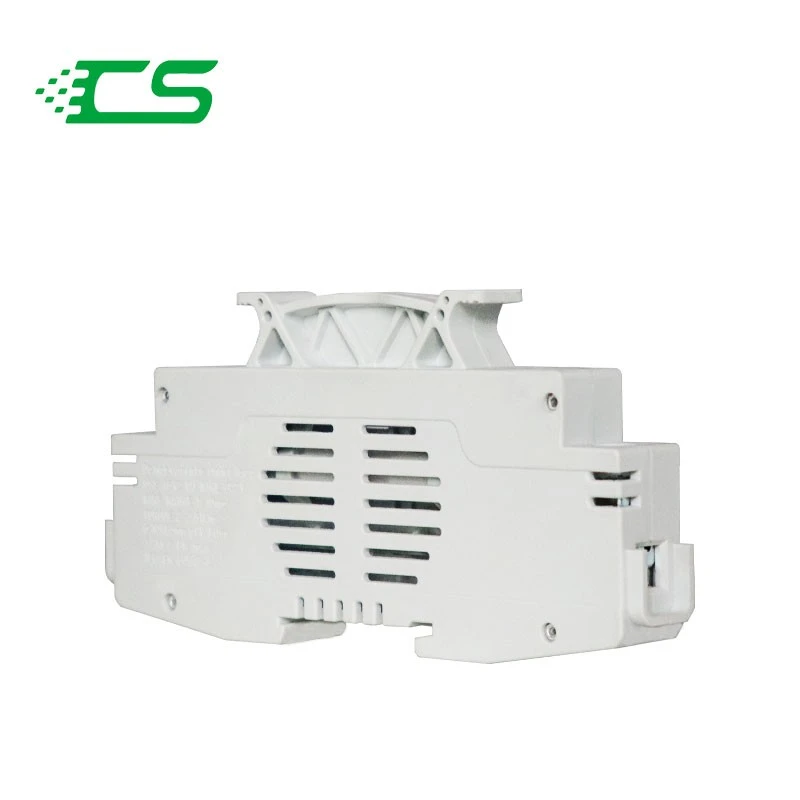

Installing the Mounting Bracket
-
Positioning:
Based on your space assessment, determine the best location for the mounting bracket. It should be on a stable surface, like a wall or a panel inside the confined area. You want to make sure it's at a height that's easy to access for future maintenance. -
Drilling and Mounting:
If you need to drill holes for the mounting bracket, use the appropriate drill bit for the surface material. Usually, for a panel or a wall made of metal, you'll need a metal - drilling bit. Once the holes are drilled, attach the mounting bracket using screws. Make sure it's tightly secured so that the DC MCB will stay in place.
Connecting the Wires
-
Wire Preparation:
Strip about 15 - 20 millimeters of insulation from the ends of the DC wires you'll be connecting to the MCB. Use the insulated pliers for this job to avoid any accidental short - circuits. -
Positive and Negative Connections:
In a solar DC circuit, you have positive and negative wires. Connect the positive wire to the appropriate terminal on the DC MCB marked as “+”. Similarly, connect the negative wire to the terminal marked “-”. Make sure the connections are tight by gently tugging on the wires after you've tightened the terminal screws. Loose connections can lead to problems like overheating and arcing. -
Cable Management:
In a confined space, cable management is key. Use cable ties to bundle the wires together and keep them organized. This not only makes the installation look neater but also reduces the risk of the wires getting tangled or getting in the way of other components. It's also a good idea to label the wires to easily identify them during maintenance.
Testing the Installation
Once you've completed the installation, it's time to test everything.
-
Double - Check Connections:
Before turning the power back on, go over all the connections again to make sure they are secure. Also, look for any signs of damage or loose parts. -
Power On:
Slowly turn on the power supply to the solar system. Use the voltage tester to check if the DC MCB is functioning properly. You should see the expected voltage across the MCB terminals. If there are any issues, like a tripped breaker or abnormal voltage readings, turn off the power immediately and troubleshoot the problem.
Troubleshooting in a Confined Space
Sometimes, things might not go as smoothly as planned. Here are some common issues and how to fix them:
-
Tripped Breaker:
If the DC MCB trips as soon as you turn on the power, it could be due to a short - circuit in the system. Check all the wire connections for any signs of touching each other or any exposed wires. In a confined space, it's possible that the wires got pinched during installation. -
Overheating:
If you notice that the DC MCB is getting too hot, it could be because of an overcurrent situation or poor ventilation. Double - check the load on the circuit and make sure it's within the rated capacity of the MCB. Also, see if there's a way to improve the ventilation in the confined space.
Useful Related Products
While you're working on your solar installation, you might also find these products helpful:
- Oil - immersed Transformer: These transformers are great for stepping up or stepping down the voltage in your solar system. They can handle different power ratings and are designed to be reliable.
- PV Direct Current Safeguards: Extra protection for your DC circuits in the solar system. They act as an additional layer of safety in case the DC MCB fails.
- Switchgear Distribution Cabinet: Ideal for organizing all your electrical components in one place. It can be very useful in a confined space as it helps keep things tidy and accessible.
Contact for Procurement
If you're in the market for high - quality DC MCBs for your solar projects or need more information on installation and other related topics, don't hesitate to reach out. We're here to help you with your procurement needs and ensure you get the best products for your solar systems. Whether you're working on a small residential solar setup or a large - scale commercial project, we've got the right DC MCBs for you.
References
- Electrical Safety Standards for Solar Installations. National Electric Code.
- DC Circuit Breaker Installation Guides. Manufacturer's Manuals.


