

Hey there! As a combiner box AC supplier, I'm super stoked to share some tips on how to install a combiner box AC correctly. It's not rocket science, but there are definitely some key steps and considerations to keep in mind. So, let's dive right in!
Pre - installation Checks
Before you even start unpacking that shiny new combiner box AC, you've got to do some pre - installation checks. First off, make sure you've got the right location. The spot where you're going to install the combiner box should be dry, well - ventilated, and protected from direct sunlight and extreme weather conditions. You don't want it getting fried by the sun or soaked in a downpour.
Check the dimensions of the installation area. Measure it twice and cut once, as they say. Your combiner box needs to fit snugly in the space without any overcrowding. This also helps with proper airflow around the box, which is crucial for its long - term performance.
Next, take a good look at the electrical system where the combiner box will be connected. Ensure that the voltage, current, and frequency ratings of the incoming and outgoing circuits match the specifications of the combiner box. If they don't, you're in for some serious trouble down the line.
Unpacking and Inspection
Once you're satisfied with the installation location and electrical system, it's time to unpack the combiner box. Carefully remove it from the packaging and check for any visible damage. Look for dents, scratches, or loose parts. If you find anything amiss, don't hesitate to contact us. We're here to make sure you get a top - notch product.
Inspect all the components inside the box. You should find circuit breakers, fuses, and wiring terminals. Make sure they're all in good condition and properly secured. If you're not sure what a particular component is or how it works, refer to the user manual. It's there for a reason!
Mounting the Combiner Box
Now, it's time to mount the combiner box. You'll need a sturdy surface, like a wall or a metal frame. Use the appropriate mounting hardware that came with the box. Drill holes in the mounting surface if necessary, but be careful not to damage any hidden electrical wires or plumbing.
Align the combiner box with the holes in the mounting surface and secure it tightly. Make sure it's level and straight. A wobbly combiner box is not only an eyesore but can also cause problems with the electrical connections.
Wiring the Combiner Box
Wiring is where things can get a bit tricky, but don't worry, I've got you covered. Start by identifying the incoming and outgoing wires. The incoming wires usually come from the solar panels or other power sources, while the outgoing wires go to the inverter or other electrical equipment.
Strip the insulation from the ends of the wires using a wire stripper. Be careful not to cut the wires themselves. Then, connect the wires to the appropriate terminals in the combiner box. Use a screwdriver to tighten the terminal screws, but don't over - tighten them, as this can damage the wires.
It's a good idea to label the wires as you connect them. This will make it easier to troubleshoot any problems in the future. You can use wire labels or just a piece of tape with a marker.
Installing Safety Devices
Safety first, right? That's why you need to install some safety devices in the combiner box. One of the most important ones is the surge protector. Surge protectors, also known as Surge Blockers, help protect your combiner box and the connected equipment from voltage spikes caused by lightning or other electrical disturbances.
Install the surge protector according to the manufacturer's instructions. Usually, it involves connecting it to the incoming power lines. Make sure the connections are secure and the grounding is proper.

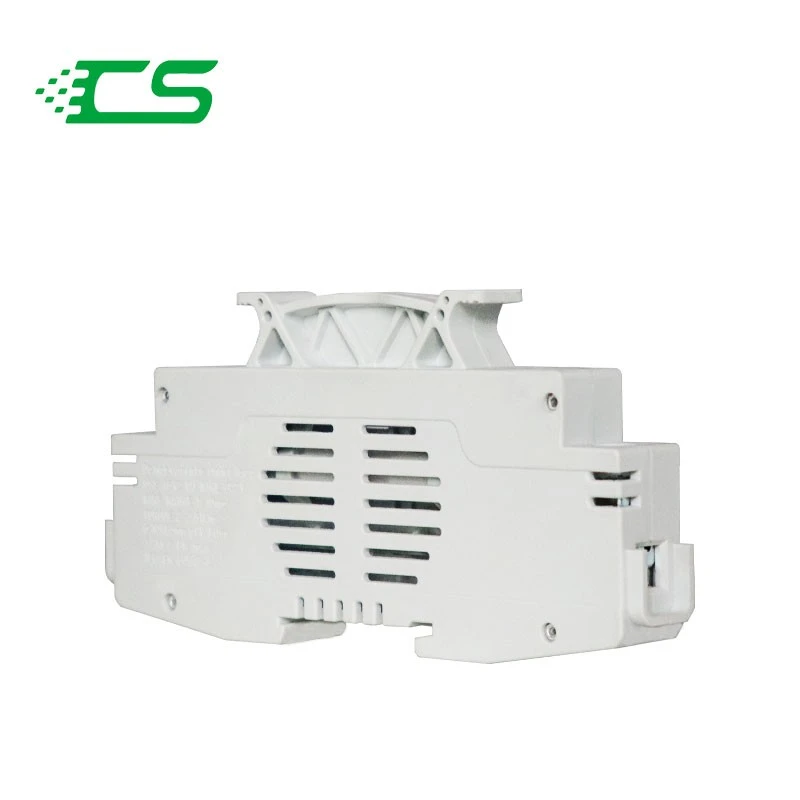
Another important safety device is the fuse. Fuses act as a safety valve, cutting off the electrical current if it exceeds a certain level. You can find high - quality PV Direct Current Safeguards that are designed specifically for photovoltaic systems. Install the fuses in the appropriate fuse holders in the combiner box.
Testing the Combiner Box
Once you've finished wiring and installing the safety devices, it's time to test the combiner box. Before you turn on the power, double - check all the connections to make sure they're correct. Then, slowly turn on the power to the combiner box.
Use a multimeter to measure the voltage and current at the incoming and outgoing terminals. Compare the readings with the specifications of the combiner box. If the readings are within the acceptable range, you're good to go. If not, there might be a problem with the wiring or the components.
Check for any signs of overheating or abnormal noises. If you notice anything unusual, turn off the power immediately and investigate the problem. It's better to be safe than sorry.
Commissioning and Maintenance
After the testing is successful, you can commission the combiner box. This means connecting it to the rest of the electrical system and starting to generate power. Make sure all the switches are in the correct position and the system is operating smoothly.
Regular maintenance is essential to keep your combiner box in good condition. Check the connections periodically to make sure they're still tight. Inspect the fuses and replace them if they're blown. Clean the combiner box to remove any dust or debris that might accumulate over time.
Why Choose Our Combiner Box AC?
As a combiner box AC supplier, we take pride in offering high - quality products. Our combiner boxes are designed and manufactured to meet the highest industry standards. They're built to last, with durable materials and reliable components.
We also provide excellent customer support. If you have any questions or need help with the installation or maintenance of your combiner box, our team of experts is just a call away. We're here to make your experience as smooth as possible.
If you're interested in purchasing our combiner box AC or have any further questions, don't hesitate to reach out. We're always happy to have a chat and discuss your specific needs. Whether you're working on a small residential solar project or a large - scale Distributed Photovoltaic Substation, we've got the right solution for you.
References
- Solar Power Systems Installation Manuals
- Electrical Safety Standards and Guidelines
- Manufacturer's Specifications for Combiner Box AC


