

As a reliable supplier of 63 amp MCCBs (Molded Case Circuit Breakers), I understand the importance of a proper installation process. In this blog post, I'll guide you through the steps of installing a 63 amp MCCB, ensuring that you can carry out the task safely and effectively.
Pre - installation Preparations
Before you start the installation, there are several crucial steps you need to take. First and foremost, safety should be your top priority. Ensure that the power supply to the area where you'll be installing the MCCB is completely shut off. This can prevent electrical shocks and other potential hazards. You can use a voltage tester to double - check that there is no electricity flowing in the circuit.
Next, gather all the necessary tools. You'll typically need a screwdriver (both flat - head and Phillips - head), a wrench, and wire strippers. Make sure these tools are in good condition and suitable for the job.
Inspect the 63 amp MCCB you've received from our supply. Check for any visible damage, such as cracks in the casing or bent terminals. If you find any issues, contact our support team immediately, as a damaged MCCB may not function properly and could pose a safety risk.

Selecting the Right Location
The location where you install the 63 amp MCCB is vital. It should be in a well - ventilated area to prevent overheating. High temperatures can reduce the lifespan of the MCCB and may even cause it to trip prematurely. Avoid installing it in areas prone to moisture, as water can damage the internal components of the MCCB.
The MCCB should also be easily accessible for future maintenance and inspection. It's a good idea to mount it on a sturdy surface, such as a metal panel or a wall made of a non - combustible material. Make sure the surface is flat and can support the weight of the MCCB.
Mounting the MCCB
Once you've selected the location, it's time to mount the MCCB. Most 63 amp MCCBs come with mounting holes. Use the appropriate screws and the screwdriver to attach the MCCB to the chosen surface. Ensure that the MCCB is firmly fixed and doesn't wobble.
If you're using a DIN rail for mounting, slide the MCCB onto the rail until it clicks into place. The DIN rail provides a standardized and convenient way to mount electrical components, allowing for easy installation and replacement.
Connecting the Wires
Proper wire connection is essential for the correct operation of the 63 amp MCCB. First, identify the incoming and outgoing wires. The incoming wires are the ones that bring power to the MCCB, while the outgoing wires carry the power to the load.
Strip the insulation from the ends of the wires using the wire strippers. The length of the stripped wire should be appropriate for the terminal connections. Usually, it's recommended to strip about 10 - 15 mm of insulation.
Insert the stripped wires into the appropriate terminals of the MCCB. Tighten the terminal screws using the screwdriver or wrench. Make sure the connection is tight, as a loose connection can cause overheating and may lead to a fire hazard.
It's important to note that different MCCBs may have different terminal configurations. Refer to the product manual provided by our company for detailed instructions on wire connection.
Grounding
Grounding is a critical safety measure when installing a 63 amp MCCB. Connect the grounding wire to the grounding terminal of the MCCB. The grounding wire provides a path for electrical current in case of a fault, protecting people and equipment from electrical shocks.
The grounding wire should be of an appropriate size and made of a good - quality conductor. Follow the local electrical codes and regulations regarding grounding requirements.
Testing the Installation
After you've completed the installation and wiring, it's time to test the MCCB. Before turning on the power, double - check all the connections to ensure they are correct and secure.
Slowly turn on the power supply. Observe the MCCB for any signs of abnormal behavior, such as overheating, strange noises, or immediate tripping. If everything seems normal, you can apply a small load to the circuit and monitor the MCCB's performance.
If the MCCB trips immediately, there may be a problem with the installation, such as a short - circuit or an overloaded circuit. In this case, turn off the power immediately and re - check all the connections and the load.
Additional Considerations
When dealing with electrical systems, it's important to be aware of related components that may work in conjunction with the 63 amp MCCB. For example, a Three Phase Step Down Transformer can be used to adjust the voltage level in a three - phase electrical system. This transformer can help ensure that the voltage supplied to the MCCB and the connected load is within the appropriate range.
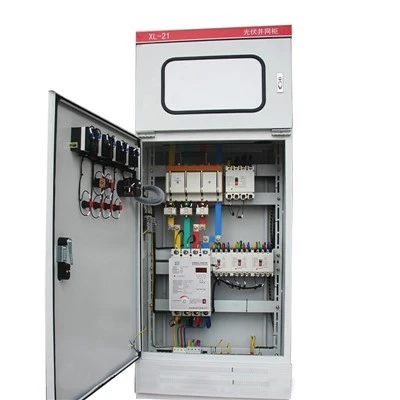
A Grid Connected Solar Cabinet is another important component in solar power systems. It contains various electrical devices, including MCCBs, to manage the power flow between the solar panels and the grid.
If you're working on a DC electrical system, a Dc Disconnect Combiner Box can be used to combine multiple DC inputs and provide a single output. This box often includes MCCBs to protect the system from over - current and short - circuit conditions.
Conclusion
Installing a 63 amp MCCB requires careful planning, proper tools, and strict adherence to safety procedures. By following the steps outlined in this blog post, you can ensure a successful installation.
If you have any questions during the installation process or if you're interested in purchasing our high - quality 63 amp MCCBs, don't hesitate to contact our sales team. We're committed to providing you with the best products and support to meet your electrical needs. Our experienced staff can assist you with any technical queries and help you find the most suitable solutions for your projects.
References
- Electrical Installation Manuals for 63 amp MCCBs
- National Electrical Codes and Standards
- Industry Best Practices for MCCB Installation


