

Determining if a 63A AC circuit breaker is overloaded is crucial for ensuring the safety and efficiency of an electrical system. As a supplier of 63A AC circuit breakers, I understand the importance of this topic and am here to share some insights on how to identify overloading.
Understanding the Basics of a 63A AC Circuit Breaker
A 63A AC circuit breaker is designed to protect an electrical circuit from damage caused by excessive current. The "63A" rating indicates the maximum amount of current that the breaker can safely carry under normal operating conditions. When the current flowing through the circuit exceeds this rating, the breaker is supposed to trip, interrupting the flow of electricity and preventing potential hazards such as overheating, short - circuits, and electrical fires.
Measuring the Current
The most direct way to determine if a 63A AC circuit breaker is overloaded is to measure the current flowing through the circuit. This can be done using a clamp - on ammeter.
-
Using a Clamp - on Ammeter
A clamp - on ammeter, also known as a current clamp, is a handy tool for measuring current without having to break the circuit. To use it, simply open the jaws of the clamp and place it around one of the conductors in the circuit. The ammeter will then display the current flowing through the conductor.- Steps for Measurement
- First, ensure that the ammeter is set to the appropriate range. Most modern ammeters can automatically select the range, but it's still a good idea to double - check.
- Carefully place the clamp around the conductor. Make sure that the clamp is fully closed and that there are no other conductors or magnetic fields nearby that could interfere with the measurement.
- Read the current value displayed on the ammeter. If the measured current is consistently above 63A, then the circuit breaker is likely overloaded.
- Steps for Measurement
-
Monitoring Over Time
It's important to note that a momentary spike in current may not necessarily indicate an overload. Electrical devices often draw a higher current when they are first turned on, known as inrush current. To accurately determine if there is an overload, it's necessary to monitor the current over a period of time.- Using a Data Logger
A data logger can be connected to the ammeter to record the current values at regular intervals. By analyzing the data over a few hours or days, you can identify if there are any sustained periods of high current. If the average current over a significant period exceeds 63A, then the circuit breaker is overloaded.
- Using a Data Logger
Checking for Physical Signs
In addition to measuring the current, there are also some physical signs that can indicate an overloaded circuit breaker.
-
Overheating
An overloaded circuit breaker will generate more heat than normal. You can check for overheating by feeling the breaker with the back of your hand. However, be extremely careful as the breaker may be very hot and could cause burns. If the breaker is too hot to touch, it's a clear sign of an overload.- Causes of Overheating
Overheating can be caused by a number of factors, including excessive current, poor connections, or a faulty breaker. If you suspect overheating, it's important to turn off the power to the circuit and investigate the cause.
- Causes of Overheating
-
Tripping
If the circuit breaker trips frequently, it may be a sign of an overload. A circuit breaker is designed to trip when the current exceeds its rated value, but if it trips too often, it could indicate that the circuit is consistently overloaded.- Differentiating from Other Causes
However, frequent tripping can also be caused by other factors such as short - circuits or ground faults. To determine if the tripping is due to an overload, you can try reducing the load on the circuit and see if the tripping stops.
- Differentiating from Other Causes
Analyzing the Load
Another way to determine if a 63A AC circuit breaker is overloaded is to analyze the load connected to the circuit.
-
Calculating the Total Load
You can calculate the total load on the circuit by adding up the power ratings of all the electrical devices connected to it. The power (P) of an electrical device is given by the formula P = VI, where V is the voltage and I is the current.- Example Calculation
Assuming a standard voltage of 230V in a residential or commercial setting, if you have a device with a power rating of 1000W, the current drawn by the device can be calculated as I = P/V = 1000W/230V ≈ 4.35A. By adding up the currents of all the devices on the circuit, you can determine if the total load exceeds 63A.
- Example Calculation
-
Identifying High - Load Devices
Some electrical devices, such as electric heaters, air conditioners, and large motors, draw a significant amount of current. If you have several high - load devices connected to the same circuit, it's more likely that the circuit will be overloaded. You may need to redistribute the load among different circuits or upgrade the circuit breaker.
Considering the Application
The application of the circuit breaker also plays a role in determining if it is overloaded.
- Residential vs. Commercial Use
In a residential setting, the typical loads on a circuit may include lighting, appliances, and electronics. In a commercial setting, there may be larger equipment such as industrial machinery, servers, and HVAC systems. The load requirements in a commercial setting are generally higher, and it's more important to ensure that the circuit breaker is not overloaded. - Special Applications
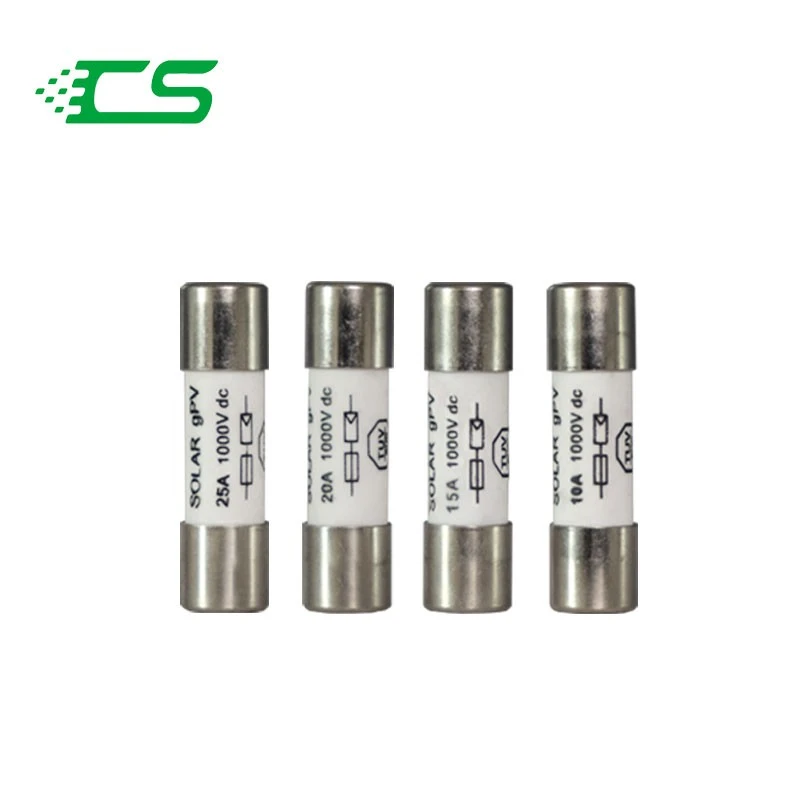
In some special applications, such as PV Direct Current Safeguards, Solid Insulated Outdoor Switchgear, and Pv Grid - Connected Cabinet, the circuit breaker may need to handle specific types of loads and environmental conditions. It's important to select the right type of circuit breaker for these applications and to monitor the load carefully.
Conclusion
Determining if a 63A AC circuit breaker is overloaded requires a combination of methods, including measuring the current, checking for physical signs, analyzing the load, and considering the application. As a supplier of 63A AC circuit breakers, I can provide high - quality products that are designed to handle the specified load. If you are experiencing issues with overloading or need advice on selecting the right circuit breaker for your application, I encourage you to contact me for a detailed discussion and potential procurement.
References
- Electrical Installation Handbook, Schneider Electric
- National Electrical Code (NEC)
- IEEE Standards for Electrical Safety in the Workplace


