

How to choose the appropriate tripping characteristic for AC MCCB?
As a seasoned supplier of AC MCCBs (AC Molded Case Circuit Breakers), I understand the critical importance of selecting the right tripping characteristic for these essential electrical devices. The tripping characteristic of an AC MCCB determines how it responds to overcurrents and short - circuits, which is crucial for ensuring the safety and reliability of electrical systems. In this blog, I'll share some insights on how to make an appropriate choice.
Understanding Tripping Characteristics
Before delving into the selection process, it's essential to understand the different types of tripping characteristics available for AC MCCBs. The most common ones are B, C, D, and K curves.
The B curve is designed for circuits with mainly resistive loads, such as lighting circuits. It trips at 3 - 5 times the rated current (In) within a short time. This characteristic is suitable for circuits where the inrush current is relatively low.
The C curve is widely used in general electrical installations, including residential and commercial buildings. It trips at 5 - 10 times In. This curve can handle the inrush currents of inductive loads like motors and transformers to some extent, while still providing protection against overcurrents.
The D curve is intended for circuits with high inrush currents, such as those with transformers or large motors. It trips at 10 - 20 times In. This characteristic allows the MCCB to withstand the initial high - current surges without unnecessary tripping.
The K curve is often used for circuits with motors that have high starting currents. It has a more extended time - current characteristic compared to the other curves, which means it can tolerate high starting currents for a longer period before tripping.
Factors to Consider When Choosing Tripping Characteristics
Load Type
The nature of the load connected to the circuit is the primary factor in determining the appropriate tripping characteristic. For example, in a lighting circuit, where the load is mainly resistive, a B curve MCCB would be a suitable choice. The low inrush current of lighting fixtures means that a B curve can provide reliable protection without false tripping.
On the other hand, in an industrial setting with a large number of motors, a C or D curve MCCB might be more appropriate. Motors typically have high inrush currents when starting, and a C or D curve can handle these surges without tripping prematurely. For instance, a small motor in a household appliance might work well with a C curve MCCB, while a large industrial motor could require a D curve for proper protection.
Inrush Current
Inrush current is the initial high - current surge that occurs when an electrical device is turned on. Different types of loads have different inrush current profiles. For example, transformers can have very high inrush currents, sometimes reaching up to 10 - 20 times the rated current for a short period. In such cases, a D curve MCCB is necessary to prevent false tripping.
Motors also have significant inrush currents, especially when starting from a standstill. The starting current of a motor can be 5 - 8 times the rated current. A C or K curve MCCB can be selected based on the motor's characteristics and the duration of the starting current. If the motor has a long starting time, a K curve might be more suitable as it can tolerate high currents for a longer period.
Fault Current Level
The fault current level in a circuit is another important consideration. A fault can occur due to a short - circuit or a ground fault. The MCCB should be able to trip quickly enough to protect the circuit and the connected equipment from damage.
In a circuit with a high fault current level, a MCCB with a fast - acting tripping characteristic is required. For example, in a large industrial power distribution system, a D curve MCCB might be necessary to ensure rapid tripping in case of a short - circuit. The high - current tripping capability of the D curve allows it to interrupt the fault current before it causes significant damage to the system.
Coordination with Other Protective Devices
In a complex electrical system, the MCCB needs to be coordinated with other protective devices such as fuses and relays. The tripping characteristic of the MCCB should be selected in such a way that it works in harmony with these other devices.
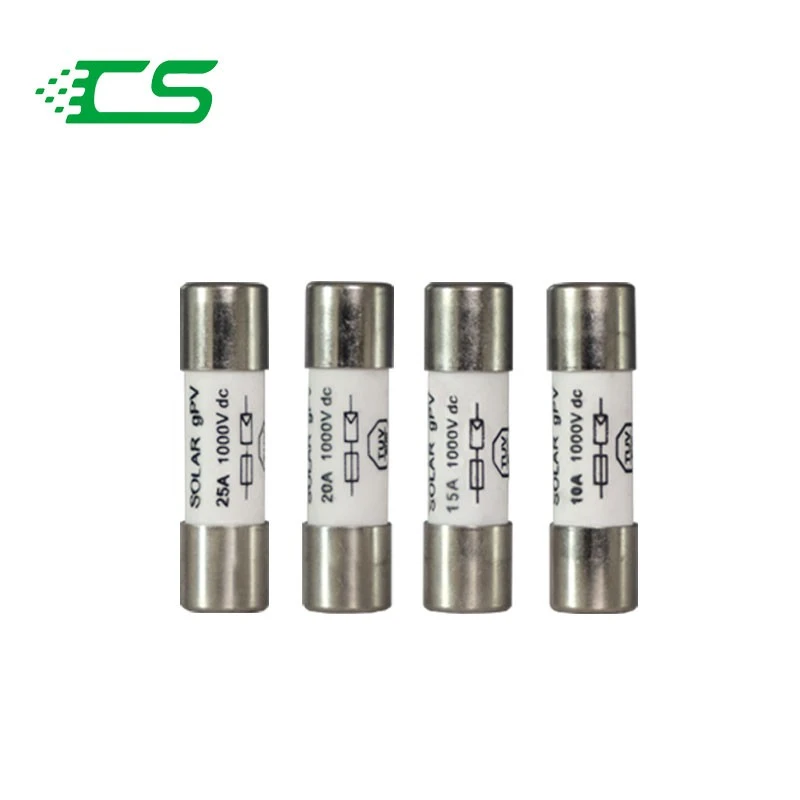
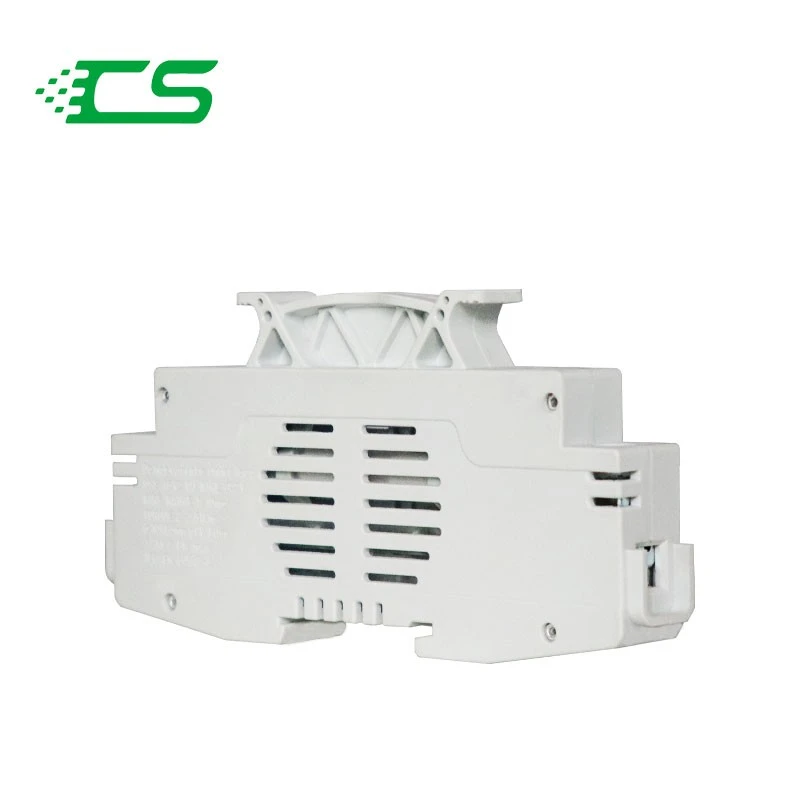
For example, if there are fuses in the circuit, the MCCB's tripping characteristic should be chosen so that the fuse blows first in case of a fault. This can prevent unnecessary tripping of the MCCB and ensure that the fault is cleared at the appropriate level. Coordination between different protective devices is crucial for the overall reliability and safety of the electrical system.
Practical Examples of Tripping Characteristic Selection
Residential Electrical Installation
In a typical residential electrical installation, most of the circuits are used for lighting, small appliances, and outlets. For lighting circuits, a B curve MCCB can be used. These circuits have low inrush currents, and a B curve provides reliable protection against overcurrents.
For circuits with small appliances like televisions, refrigerators, and microwave ovens, a C curve MCCB is a good choice. These appliances have some inductive components, which can cause small inrush currents. A C curve can handle these surges without tripping prematurely.
Industrial Electrical System
In an industrial electrical system, there are various types of loads, including large motors, transformers, and production equipment. For large motors, a D curve MCCB is often required. Motors can have high starting currents, and a D curve can tolerate these surges without tripping.
Transformers also need a D curve MCCB for protection. The high inrush currents of transformers can cause false tripping if a less - suitable curve is used. Additionally, in an industrial setting, coordination with other protective devices such as relays and fuses is crucial. The MCCB's tripping characteristic should be selected to ensure proper coordination and reliable protection of the entire system.
Our AC MCCB Offerings and Related Products
At our company, we offer a wide range of AC MCCBs with different tripping characteristics to meet the diverse needs of our customers. Whether you need a B curve MCCB for a lighting circuit or a D curve for an industrial motor, we have the right product for you.
In addition to our AC MCCBs, we also provide related products such as Solar Breakers, Solar Combiner Box 6 String, and PV Direct Current Safeguards. These products are designed to work together to provide comprehensive protection for solar power systems and other electrical applications.
Conclusion
Choosing the appropriate tripping characteristic for an AC MCCB is a crucial decision that can significantly impact the safety and reliability of an electrical system. By considering factors such as load type, inrush current, fault current level, and coordination with other protective devices, you can make an informed choice.
If you are in the process of selecting an AC MCCB for your electrical installation or have any questions about our products, we encourage you to contact us for a detailed consultation. Our team of experts is ready to assist you in finding the right solution for your specific needs. We look forward to the opportunity to work with you and help you ensure the safety and efficiency of your electrical systems.
References
- Electrical Installation Handbook, Schneider Electric
- IEC 60947 - 2: Low - voltage switchgear and controlgear - Part 2: Circuit - breakers


