

Temperature is a crucial environmental factor that significantly impacts the performance and lifespan of electrical components, including Miniature Circuit Breakers (MCBs). As a supplier of MCB 1P 16A, I have witnessed firsthand how temperature variations can influence the functionality of these essential devices. In this blog post, I will delve into the intricate relationship between temperature and MCB 1P 16A, exploring the mechanisms through which temperature affects their operation and offering insights on how to mitigate potential issues.
The Basics of MCB 1P 16A
Before we explore the impact of temperature, let's briefly review the fundamentals of MCB 1P 16A. A Miniature Circuit Breaker is an automatic electrical switch designed to protect electrical circuits from overcurrent and short - circuit conditions. The "1P" indicates that it is a single - pole breaker, suitable for protecting a single phase of an electrical circuit. The "16A" specifies the rated current, meaning that the breaker is designed to carry a continuous current of up to 16 amperes under normal operating conditions.
MCBs work based on two main principles: thermal and magnetic tripping. The thermal element responds to overcurrent conditions that persist over time, such as an overload. It consists of a bimetallic strip that bends when heated due to the flow of current. When the temperature rise causes the bimetallic strip to bend sufficiently, it trips the breaker, interrupting the circuit. The magnetic element, on the other hand, responds instantaneously to short - circuit currents. It uses an electromagnet that generates a strong magnetic field when a high - current short - circuit occurs, which then quickly trips the breaker.
How Temperature Affects the Thermal Tripping Mechanism
The thermal tripping mechanism of an MCB 1P 16A is highly sensitive to temperature. In normal operating conditions, the bimetallic strip in the thermal element is calibrated to trip at a specific temperature corresponding to the rated current of the breaker. However, when the ambient temperature changes, the performance of the thermal element can be significantly affected.
High Temperatures
When the ambient temperature is high, the bimetallic strip in the MCB's thermal element is already in a pre - heated state. This means that even a relatively small increase in current can cause the bimetallic strip to reach the tripping temperature more quickly than it would at a lower ambient temperature. As a result, the MCB may trip prematurely, even when the current flowing through the circuit is within the rated current capacity.
For example, if an MCB 1P 16A is designed to operate optimally at an ambient temperature of 25°C, and the actual ambient temperature rises to 40°C, the breaker may trip when the current reaches only 14A instead of 16A. This can lead to unnecessary interruptions in the electrical supply, causing inconvenience and potential damage to equipment that relies on a continuous power supply.
Low Temperatures
Conversely, in low - temperature environments, the bimetallic strip is cooler and more rigid. It requires a higher current and a longer time to reach the tripping temperature. This means that the MCB may not trip as quickly as it should in the event of an overload. For instance, if the ambient temperature drops to 0°C, the MCB might not trip until the current exceeds 18A, which can pose a significant safety risk as the electrical circuit may be subjected to excessive current for an extended period, potentially leading to overheating and fire hazards.
Impact of Temperature on the Magnetic Tripping Mechanism
While the thermal tripping mechanism is more directly affected by temperature, the magnetic tripping mechanism can also be influenced to some extent. The magnetic field generated by the electromagnet in the magnetic element is dependent on the electrical properties of the materials used in its construction.
High Temperatures
At high temperatures, the electrical resistance of the conductors in the electromagnet increases. This can cause a reduction in the magnetic field strength for a given current. As a result, the magnetic element may require a higher short - circuit current to generate a strong enough magnetic field to trip the breaker. In extreme cases, this could lead to a delayed or failed magnetic trip during a short - circuit event, which is extremely dangerous as it can result in severe damage to the electrical system and pose a fire risk.
Low Temperatures
In low - temperature conditions, the electrical resistance of the conductors decreases. This could potentially lead to a stronger magnetic field for the same current. However, the effect of low temperature on the magnetic tripping mechanism is generally less significant compared to the thermal mechanism.
Mitigating the Effects of Temperature
As a supplier of MCB 1P 16A, I understand the importance of ensuring that our products perform reliably in various temperature conditions. Here are some strategies to mitigate the effects of temperature on MCBs:
Proper Sizing and Selection
When selecting an MCB for a specific application, it is essential to consider the ambient temperature of the installation environment. Some MCBs are designed to operate over a wider temperature range than others. For example, there are MCBs available that are suitable for use in high - temperature industrial environments or low - temperature outdoor applications. By choosing an MCB with a temperature rating that matches the expected operating conditions, the risk of premature or delayed tripping can be minimized.
Adequate Ventilation
Proper ventilation is crucial in maintaining a stable temperature around the MCB. In enclosed electrical panels, heat can build up quickly, leading to elevated ambient temperatures. Installing ventilation fans or providing sufficient air gaps in the panel can help dissipate heat and keep the temperature within the acceptable range for the MCB.
Temperature Compensation
Some advanced MCBs are equipped with temperature compensation features. These features adjust the tripping characteristics of the breaker based on the ambient temperature, ensuring that the breaker trips at the correct current levels regardless of the temperature. While these MCBs may be more expensive, they offer greater reliability in environments with significant temperature variations.

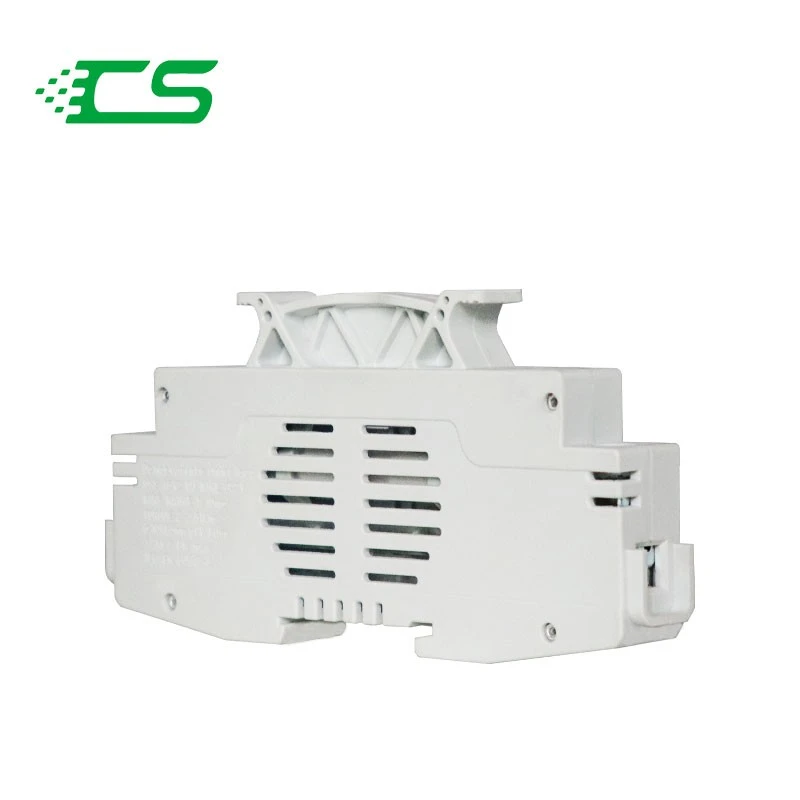
Importance of Quality MCBs
As a supplier of MCB 1P 16A, I emphasize the importance of using high - quality products. Quality MCBs are manufactured using high - grade materials and advanced manufacturing processes, which ensure better performance and stability under different temperature conditions. They are also more likely to be accurately calibrated and have reliable temperature compensation features if available.
When sourcing MCBs, it is advisable to choose products from reputable manufacturers who adhere to international standards such as IEC 60898. These standards specify the performance requirements for MCBs, including their behavior under different temperature conditions.
Related Products
In addition to MCB 1P 16A, we also offer a range of related products that can enhance the safety and reliability of electrical systems. For subminiature circuit protection needs, you can explore our Subminiature products. If you are dealing with PV direct current applications, our PV Direct Current Safeguards provide excellent protection. And for applications where waterproofing is required, our Waterproof Fuse Holder is a great choice.
Conclusion
Temperature has a profound impact on the performance of MCB 1P 16A. High temperatures can cause premature tripping, while low temperatures can lead to delayed tripping, both of which pose risks to the electrical system and connected equipment. By understanding the mechanisms through which temperature affects MCBs and implementing appropriate mitigation strategies, such as proper sizing, ventilation, and using temperature - compensated MCBs, the reliability of electrical circuits can be significantly improved.
As a supplier of MCB 1P 16A, I am committed to providing high - quality products that can withstand various temperature conditions. If you are in need of MCBs or any of our related products, I encourage you to contact us for a procurement discussion. We can help you select the most suitable products for your specific needs and ensure a safe and reliable electrical system.
References
- IEC 60898 - 1:2019, "Low - voltage switchgear and controlgear - Part 1: Circuit - breakers for overcurrent protection for household and similar installations"
- Electrical Installation Guide, International Electrotechnical Commission (IEC)


