

In the realm of low - voltage distribution systems, the performance of an AC MCCB (Molded Case Circuit Breaker) is of paramount importance. As a supplier of AC MCCBs, I have witnessed firsthand the critical role these devices play in ensuring the safety and efficiency of electrical systems.
1. Fundamental Function of AC MCCB in Low - Voltage Distribution
At its core, an AC MCCB is designed to protect electrical circuits from overcurrents, short - circuits, and in some cases, ground faults. In low - voltage distribution systems, which typically operate at voltages ranging from 120V to 600V, the AC MCCB acts as a safeguard for both the electrical equipment and the overall system.
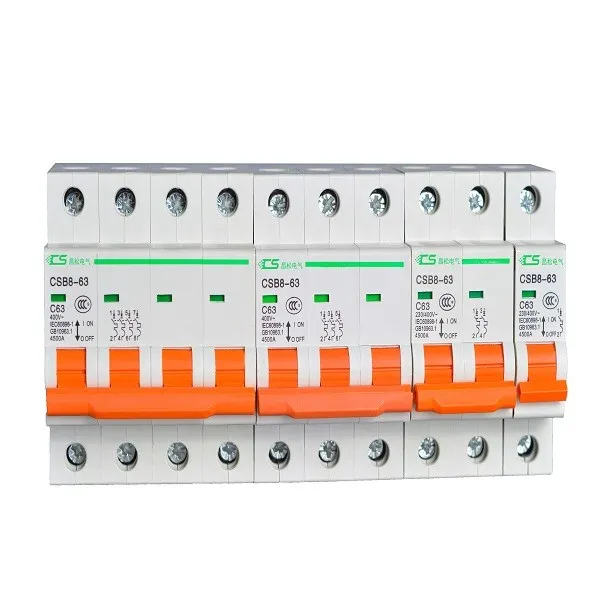

When an overcurrent situation occurs, such as when too many electrical appliances are connected to a circuit or when there is a malfunction in a device, the AC MCCB will detect the abnormal current flow. It has a thermal - magnetic trip unit. The thermal element responds to moderate overcurrents over a longer period. It is based on the principle that as the current increases, the heat generated in a bimetallic strip also increases. When the heat reaches a certain level, the bimetallic strip bends, which in turn triggers the breaker to trip and interrupt the circuit.
The magnetic element, on the other hand, is designed to respond to high - magnitude short - circuit currents almost instantaneously. When a short - circuit occurs, a large surge of current flows through the circuit. The magnetic field generated by this high current causes an armature to move, which trips the breaker and stops the flow of electricity. This dual - action mechanism ensures comprehensive protection for the low - voltage distribution system.
2. Key Performance Indicators
2.1 Breaking Capacity
One of the most crucial performance indicators of an AC MCCB is its breaking capacity. Breaking capacity refers to the maximum short - circuit current that the breaker can safely interrupt without being damaged. In low - voltage distribution systems, the short - circuit current can vary significantly depending on the system configuration, the power source, and the connected loads.
For industrial low - voltage distribution systems, where large motors and heavy - duty equipment are used, the short - circuit current can be extremely high. Our AC MCCBs are engineered to have high breaking capacities, ensuring that they can handle these high - current situations effectively. A high - quality AC MCCB with a sufficient breaking capacity can prevent catastrophic damage to the electrical system in the event of a short - circuit, such as fires or equipment destruction.
2.2 Selectivity
Selectivity is another important aspect of AC MCCB performance in low - voltage distribution systems. Selective tripping means that only the breaker closest to the fault should trip, while the upstream breakers remain intact. This ensures that only the faulty part of the system is isolated, minimizing the impact on the rest of the electrical network.
In a complex low - voltage distribution system with multiple levels of breakers, achieving selectivity can be challenging. Our AC MCCBs are designed with advanced trip characteristics and coordination mechanisms to ensure proper selectivity. This not only improves the reliability of the system but also reduces downtime, as only the affected section needs to be repaired or replaced.
2.3 Thermal Stability
Thermal stability is essential for the long - term performance of an AC MCCB. In low - voltage distribution systems, the breaker is constantly carrying current, and over time, this can cause heating. If the breaker cannot dissipate heat effectively, it may lead to premature aging, reduced performance, and even failure.
Our AC MCCBs are constructed with high - quality materials and efficient heat - dissipation designs. The internal components are carefully selected to have low resistance, which minimizes heat generation. Additionally, the breaker enclosures are designed to allow for proper ventilation, ensuring that the heat can be dissipated quickly and maintaining the thermal stability of the device.
3. Compatibility with Low - Voltage Distribution System Components
3.1 Connection with Busbars
In low - voltage distribution systems, AC MCCBs are often connected to busbars, which are used to distribute electrical power to different parts of the system. The connection between the MCCB and the busbar must be secure and reliable to ensure efficient power transfer.
Our AC MCCBs are designed with proper connection interfaces that can easily be attached to standard busbars. The connection points are made of high - conductivity materials, which reduce the contact resistance and minimize power losses. This compatibility ensures that the MCCB can work seamlessly with the busbar system, improving the overall efficiency of the low - voltage distribution system.
3.2 Coordination with Other Protective Devices
AC MCCBs also need to be coordinated with other protective devices in the low - voltage distribution system, such as fuses and residual current devices (RCDs). For example, PicoFuse Pivot is a type of fuse that can be used in conjunction with our AC MCCBs. The coordination between these devices is crucial to ensure proper protection of the electrical system.
When designing the system, we consider the characteristics of all the protective devices. Our technical team can provide guidance on how to select the appropriate AC MCCB and other protective devices and how to coordinate them effectively. This ensures that the low - voltage distribution system has a comprehensive protection scheme, which can detect and respond to various electrical faults.
4. Application in Different Low - Voltage Distribution Scenarios
4.1 Residential Low - Voltage Distribution
In residential low - voltage distribution systems, AC MCCBs are used to protect the electrical circuits in homes. They are installed in the main electrical panel and in sub - panels throughout the house. Our AC MCCBs provide reliable protection for lighting circuits, appliance circuits, and outlet circuits.
For example, in a modern home with a large number of electrical appliances, such as air conditioners, refrigerators, and washing machines, the AC MCCB can prevent overloading of the circuits. If a short - circuit occurs in one of the appliances, the MCCB will trip immediately, protecting the wiring and other electrical components in the house.
4.2 Commercial Low - Voltage Distribution
Commercial buildings, such as offices, shops, and restaurants, have more complex low - voltage distribution systems. These systems need to supply power to a wide range of equipment, including lighting systems, HVAC systems, and IT equipment. Our AC MCCBs are suitable for these applications due to their high performance and reliability.
In a large office building, for instance, the AC MCCBs can be used to protect the individual circuits for different floors or departments. They can also be coordinated with other protective devices to ensure the safety of the entire electrical system. Moreover, some of our AC MCCBs are equipped with remote - monitoring capabilities, which allow facility managers to monitor the status of the breakers in real - time and take preventive measures if necessary.
4.3 Industrial Low - Voltage Distribution
Industrial low - voltage distribution systems are the most demanding in terms of performance requirements. Industries such as manufacturing, mining, and chemical processing have high - power equipment and complex electrical networks. Our AC MCCBs are designed to meet the stringent requirements of these industries.
In a manufacturing plant, for example, large motors are used to drive production lines. These motors can draw high currents during startup and operation. Our AC MCCBs can handle these high - current situations and provide reliable protection against short - circuits and overcurrents. They are also compatible with other industrial - grade components, such as Box Pv Combiner Ac, which can be used in photovoltaic power systems within the industrial facility.
5. Advantages of Our AC MCCBs
5.1 High - Quality Manufacturing
We use advanced manufacturing processes and high - quality materials to produce our AC MCCBs. The internal components are precision - engineered to ensure consistent performance. Our quality control system is rigorous, and each breaker undergoes multiple tests before leaving the factory. This ensures that our AC MCCBs meet or exceed international standards and provide reliable protection for low - voltage distribution systems.
5.2 Customization Options
We understand that different low - voltage distribution systems have different requirements. That's why we offer a range of customization options for our AC MCCBs. Customers can choose the appropriate rated current, breaking capacity, and trip characteristics based on their specific needs. For example, for a special - purpose industrial application, we can customize the breaker to have a higher breaking capacity or a specific trip curve.
5.3 Technical Support
As a supplier, we provide comprehensive technical support to our customers. Our team of experts can assist with system design, installation, and maintenance. Whether it's helping to select the right AC MCCB for a particular application or providing troubleshooting advice, we are committed to ensuring that our customers get the most out of our products.
6. Conclusion and Call to Action
In conclusion, the performance of an AC MCCB in low - voltage distribution systems is multi - faceted. It plays a vital role in protecting the electrical system from overcurrents, short - circuits, and other faults. Our AC MCCBs offer high - quality performance, compatibility with various system components, and are suitable for a wide range of applications.
If you are in need of high - performance AC MCCBs for your low - voltage distribution system, we invite you to contact us for procurement and further discussions. We are confident that our products and services can meet your requirements and provide you with a reliable electrical protection solution.
References
- Blackburn, J. L. (2014). Protective Relaying: Principles and Applications. CRC Press.
- Grob, B., & Weber, J. (2018). Basic Electronics. McGraw - Hill Education.
- IEEE Standards Association. (2018). IEEE Standard for Low - Voltage AC Power Circuit Breakers Used in Enclosures. IEEE Std C37.13 - 2018.


